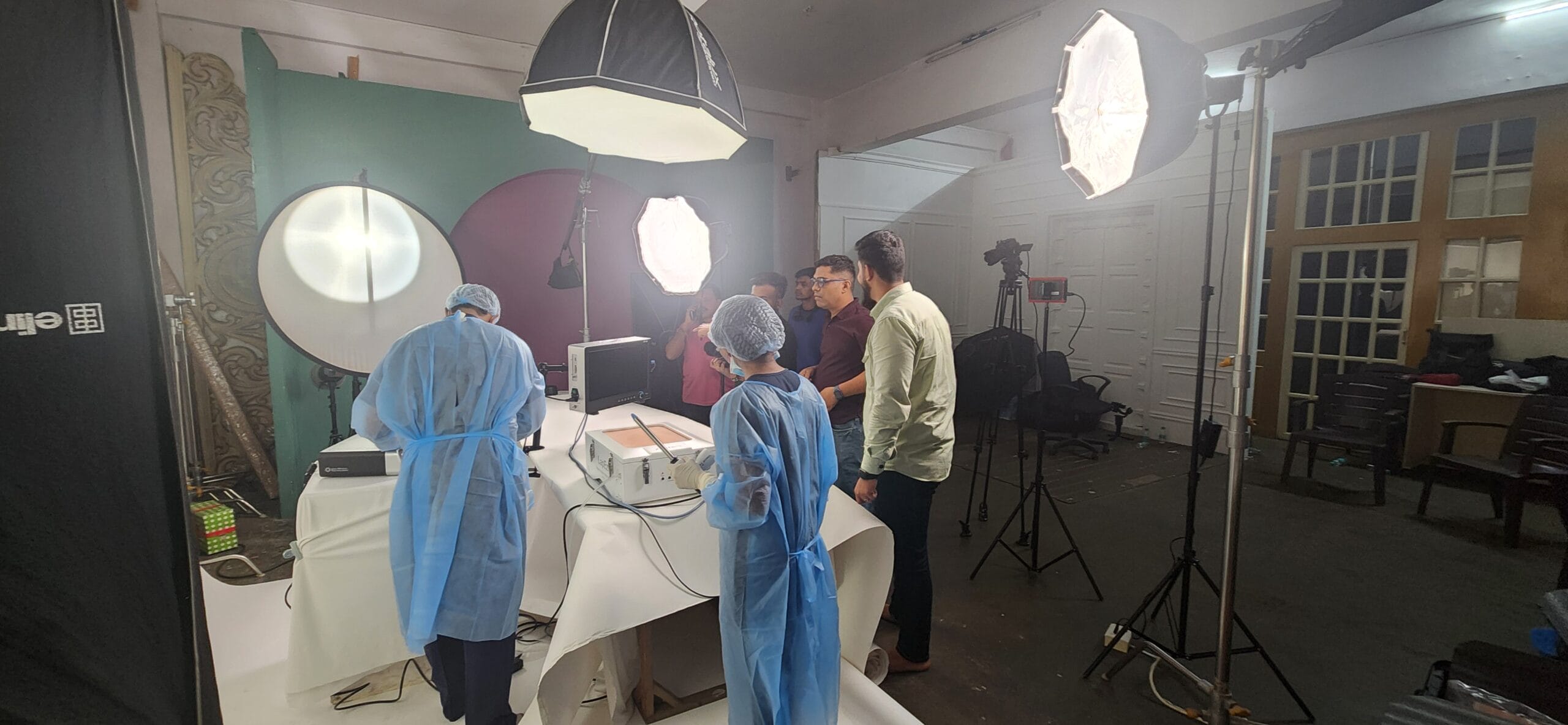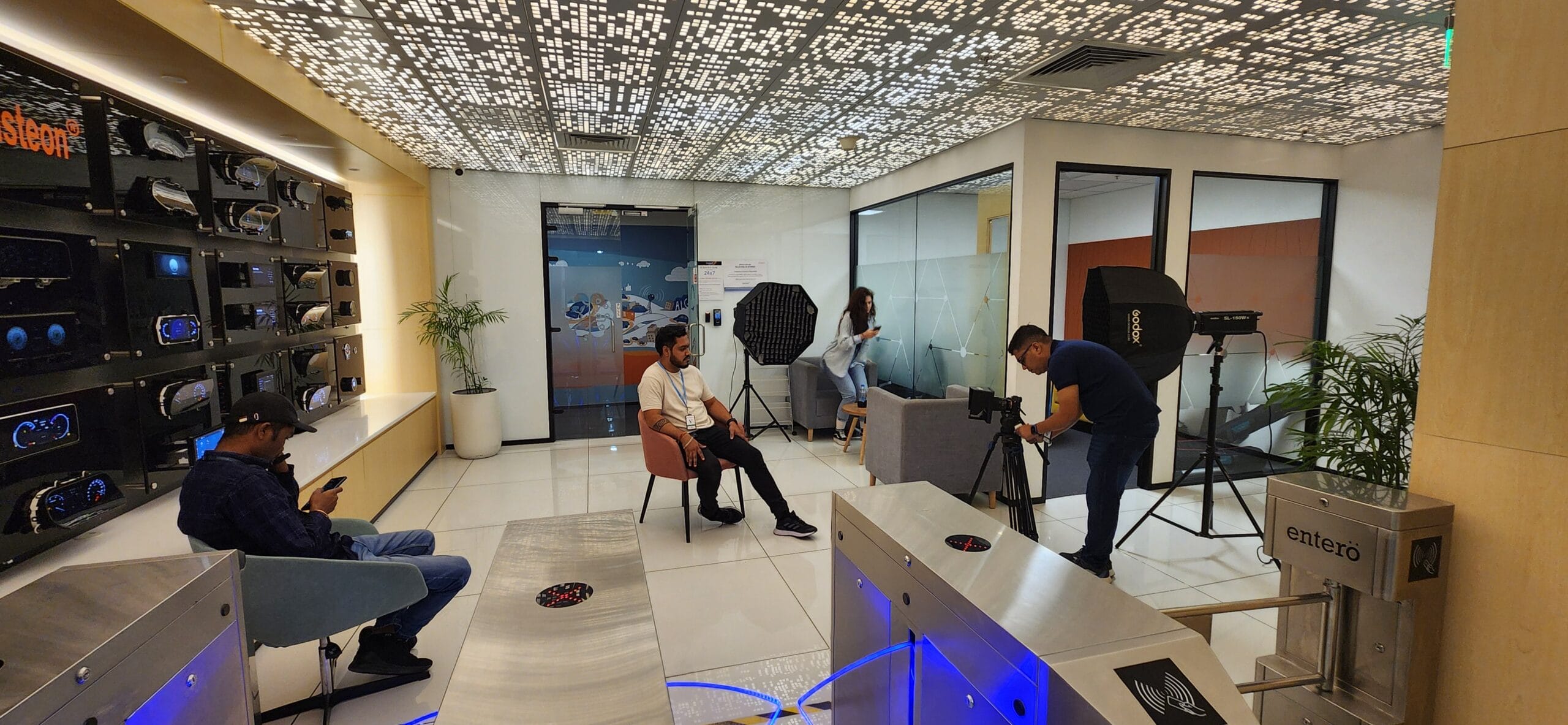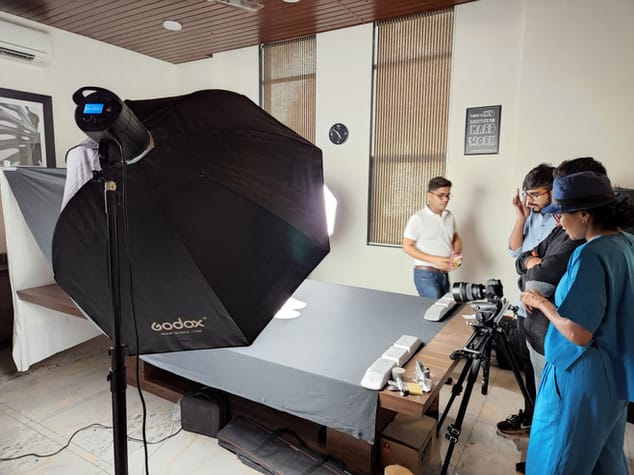
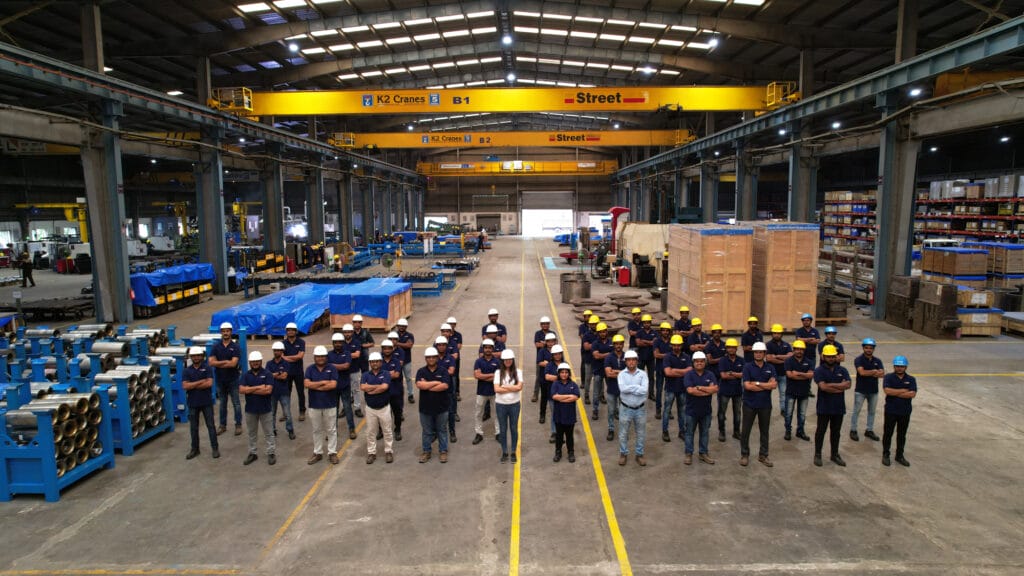
A video production company in Mumbai faces a coordination challenge that few other cities match: the region’s industrial footprint is spread across dozens of disconnected pockets, from the MIDC estates of Andheri East and SEEPZ to the Thane Belapur corridor, Taloja, Rabale and the warehouse belt of Bhiwandi. When a client needs one film that covers a manufacturing unit, a warehouse, a corporate office and an R&D centre, the difference between a smooth production and a chaotic one comes down to planning discipline.
This article explains exactly how multi-location industrial shoots are coordinated: mapping Mumbai’s geography, sequencing shoot days around traffic and shift patterns, managing permissions and safety compliance, and keeping visual and technical consistency when the crew moves site to site.
Why Multi-Location Industrial Shoots Demand a Different Method
Shooting at one plant is essentially an event. Shooting across five locations is a campaign, and it fails in ways single-site shoots never do: mismatched lighting between units, interviews lost to a plant manager’s unavailability, gear trucks caught on the Sion Panvel highway at peak hour, or footage gathered out of order with continuity gaps discovered only in the edit.
The scale tells its own story. A single facility overview typically needs one shoot per day, a medium plant with process coverage takes one to two days, and a multi-location industrial film runs across several days with structured, area-wise schedules. Multiply that by Mumbai’s congestion and monsoon windows, and the planning phase becomes the most valuable part of the entire engagement.
How Do You Plan the Route Logic Before Anything Else?
Production teams sequence locations geographically and operationally, clustering sites that sit within the same corridor and scheduling them around factory shift timings and traffic patterns.
The Mumbai Metropolitan Region splits naturally into production clusters:
- The Western cluster: Andheri MIDC, SEEPZ, Goregaon and Malad industrial estates, compact and close to the airport for outstation equipment
- The Central cluster: Vikhroli, Kanjurmarg, Powai tech campuses and the Thane industrial belt
- The Navi Mumbai cluster: the Thane Belapur Road corridor through Rabale, Mahape and Taloja, plus JNPT-adjacent logistics parks
- The Northern logistics belt: Bhiwandi and Bhiwandi’s warehousing sprawl along the Mumbai Nashik corridor
Clustering sites into corridors keeps daily travel under an hour in most cases, protects the golden hours of plant access, and allows a single camera and lighting package to remain deployed across the week rather than shuttling back and forth. The order matters too: sites furthest from base get the early starts, and interview-heavy days are scheduled where leadership is based.
What Permissions and Clearances Does the Mumbai Region Require?
Each location needs its own site access approval, industrial zones and public-road drone work require DGCA-compliant clearances with local police intimation, and regulated facilities add EHS and security vetting on top.
Practical permission planning includes:
- Plant-side approvals: signed entry permissions, safety inductions for crew, hot-zone clearances and PPE compliance, arranged three to six weeks ahead for regulated sites
- Drone clearances: aerial work near JNPT, ports, airports or defence-sensitive pockets needs flight-plan compliance; experienced teams build this into the pre-production calendar rather than discovering it on site
- Public-space filming: industrial estates, highways and flyovers visible in establishing shots occasionally need municipal or estate authority coordination
- Tenant and landlord consents inside multi-unit industrial complexes, where a single premise owner does not control common areas
Because clearances run in parallel rather than in sequence, a production manager treats them as separate workstreams with their own deadlines, all converging before the first shoot day.
How Is a Shoot Schedule Built So Production Lines Keep Running?
Shoot windows are locked around each unit’s shift schedule, machine cycles and maintenance calendar, so filming happens alongside operations rather than instead of them.
This is where coordination is won or lost. The method that works:
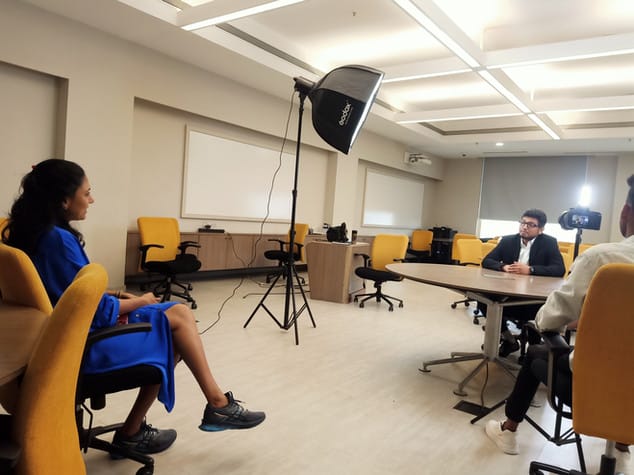
- Joint recce with plant, QA and EHS teams, walking every floor with the shot list, marking safe camera positions, power points and movement routes
- Shot sequencing by process, so footage follows the actual production flow (raw material in, processing, assembly, QC, packing, dispatch) even if the schedule jumps between units out of order
- Two-way dependency mapping, where every interview and hero shot is tied to a named person’s availability, with fallback names agreed in advance
- Buffer discipline, building slack into the schedule for the realities of industrial sites: a batch that needs eight hours to cure, a security drill, or a crane blocking the dispatch bay
The best schedules assign each location a “must-capture” list and a “nice-to-capture” list. When an afternoon slips, the production drops nice-to-haves, never must-haves, and the client’s final edit never starves.
How Do You Keep Visual Consistency Across Different Sites?
A fixed technical and creative bible, defining camera profile, lens sets, lighting ratios, drone altitude standards and framing conventions, travels with the crew so every unit cuts together seamlessly.
Without this, footage from a brightly lit assembly hall in Rabale simply refuses to sit beside footage from a dim forging bay in Bhiwandi. The consistency toolkit includes:
- Identical camera colour profiles and LUTs across all days
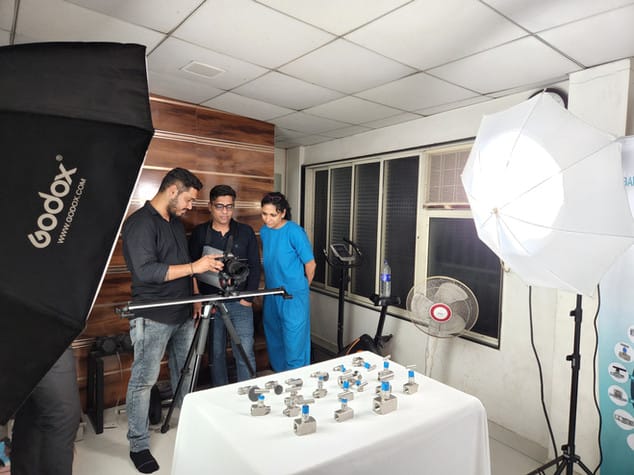
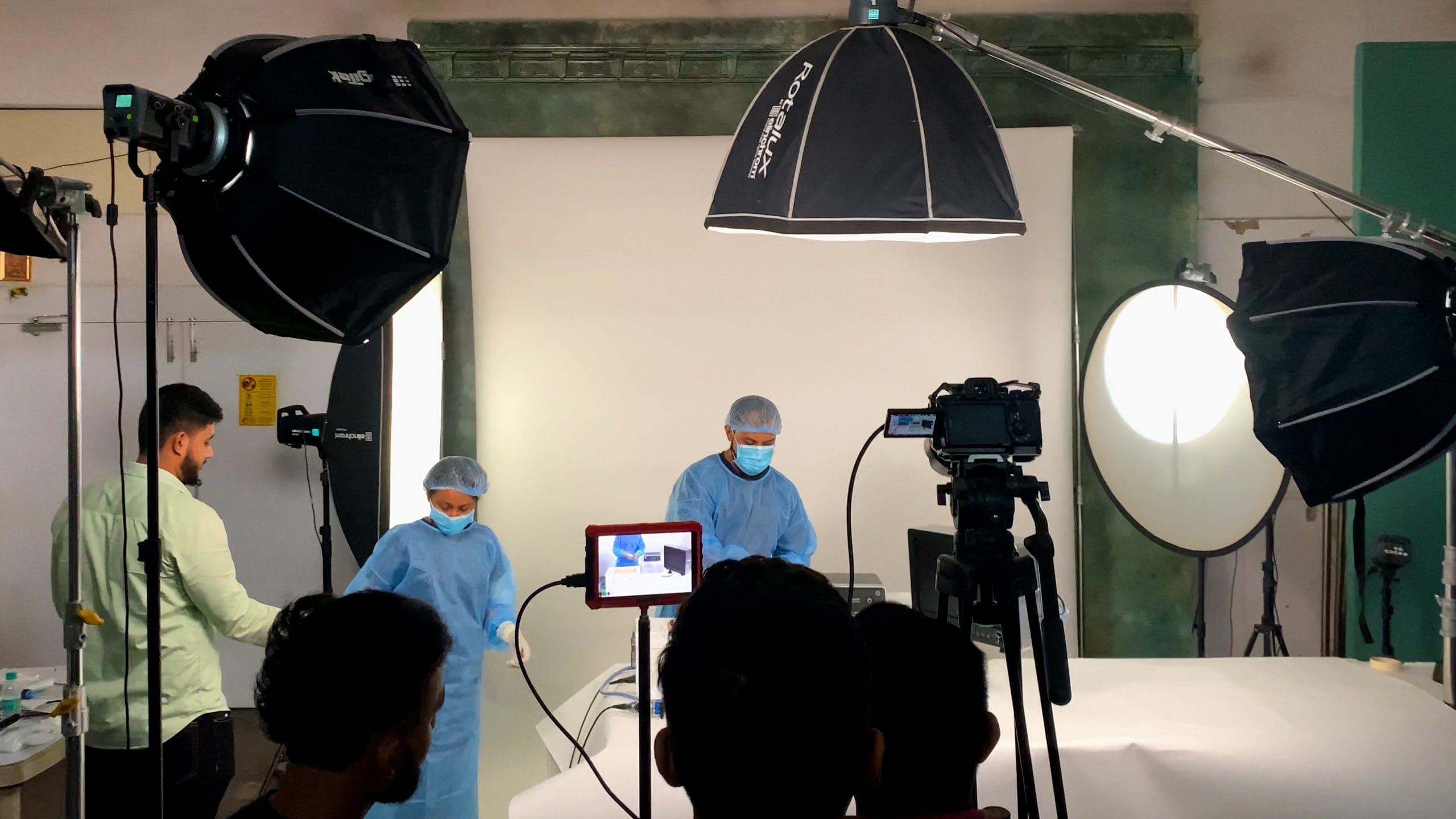
- Standardised lighting kits, typically high-output LED panels rated for industrial environments, carried between sites rather than rented locally
- A continuity log recording lens choices, angles and lighting setups, so matching shots can be recreated exactly on a later day
- Common framing rules for scale, for instance always pairing machinery shots with a human figure for size reference
Consistency extends to people. Plant heads and operators appearing across several films are briefed on wardrobe standards, and double as talent scouting for the workers who speak naturally on camera.
How Are Crew, Equipment and Data Moved Between Locations Safely?
Gear travels in padded, inventory-managed cases with daily data backup discipline, and crew movement is planned against Mumbai’s traffic curves, with early call times ahead of peak congestion.
Field-tested logistics habits include:
- Daily card and drive redundancy: footage is backed up to two drives each night, with one copy kept off-vehicle, before any gear is packed for the next site
- Case-level inventories, so a battery pack left at the Taloja plant is discovered the same evening, not discovered missing in Thane
- Pre-dawn load-ins for far-flung sites, reaching Andheri from south Mumbai before the Western Express Highway thickens
- Monsoon contingency dates built into the calendar from June to September, since a single drowned afternoon can wash out an outdoor drone sequence
Data integrity deserves emphasis. A multi-week shoot generates terabytes of client-critical footage, and the backup protocol is as much a part of professional coordination as the camera work itself.
What Does the Client Actually Need to Provide?
A single empowered coordinator inside the client organisation, site contacts at each location, and advanced documentation such as process diagrams, safety rules and staff availability.
The smoothest multi-location projects share one trait: the client appoints one point of contact with authority across all units. Scattered approvals, where each plant independently signs off at its own pace, quietly stretch a three-week production into six. Clients should also share the fundamentals early: what each unit manufactures, which areas are restricted, which languages staff speak comfortably on camera, and which dates carry audits or VIP visits to avoid.
Bringing It Together
Coordinating shoots across Mumbai’s industrial map is ultimately a planning discipline: cluster the geography, sequence the operations, parallel-track the permissions, lock the consistency bible and protect the data. A film assembled from five locations should look like it was always meant to be one film, and that outcome is engineered weeks before anyone presses record.
We at RedRagaa are a video production company in mumbai that has coordinated multi-unit industrial shoots across the MMR’s corridors, from Andheri’s estates to the Navi Mumbai industrial belt and beyond. Our team handles the recce planning, permission tracking, safety compliance and day-to-day site logistics, so your teams keep producing while we capture them at work. If your organisation is planning a film across several locations, talk to us at RedRagaa early, and we will build the route map that turns a demanding shoot into a smooth one.
Frequently Asked Questions
1. How many shoot days does a multi-location industrial film need in Mumbai?
Typically one to two days per location depending on depth, plus buffer days, with total duration driven by the number of units and interview requirements.
2. How early should planning begin for a multi-location shoot?
Three to six weeks before the first shoot day for regulated sites, longer if drone clearances over sensitive areas are required.
3. Do we need separate permissions for each location?
Yes. Every plant, warehouse and office issues its own access approval, and drone work over industrial or port zones needs DGCA-compliant clearance.
4. How do crews handle Mumbai traffic between shoot locations?
By clustering sites into geographic corridors, starting early ahead of peak hours and routing around bottlenecks like the Sion Panvel highway and the expressways.
5. How is footage consistency maintained across different factories?
Through a shared technical bible: identical camera profiles, LUTs, lighting kits and framing rules carried by the same crew across all sites.
6. Can shooting happen while production lines are running?
Yes, and it should. Shoot windows are scheduled around each unit’s shift patterns and machine cycles so operations continue normally.
7. What is the biggest cause of delay in multi-location shoots?
Scattered client approvals and staff unavailability. One empowered coordinator on the client side, with site contacts at each location, prevents most delays.