A customer watches a video of a new handbag collection, notices a particular design and wants to know its price. In a conventional video, they may need to leave the platform, find the brand’s website and search for the product.
A shoppable video can shorten that journey by connecting the featured product with a relevant shopping action.
For Indian direct-to-consumer (D2C) brands, this creates an opportunity to make video content more useful during product discovery. Instead of showing customers what a product looks like and leaving them to find it separately, brands can connect visual storytelling with a more direct path to purchase.
However, success depends on more than adding shopping links. The video itself must help customers evaluate the product and make an informed decision.
What Are Interactive and Shoppable Videos?
Although the terms are sometimes used together, they describe different capabilities.
Interactive videos allow viewers to participate in the viewing experience through features such as selectable options, branching content or clickable information.
Shoppable videos connect featured products to shopping actions, such as opening a product page, viewing product details or adding an item to a cart where the platform supports that functionality.
For example, a furniture brand could create an interactive video that lets users explore different fabric finishes.
A fashion brand might publish a collection video with product tags that direct viewers towards the featured outfits.
The exact shopping experience depends on the website, ecommerce technology and distribution platform being used.
Why This Matters for Indian D2C Brands
D2C businesses often invest heavily in product photography, paid social campaigns, influencer content and ecommerce optimisation.
Yet product discovery and product purchase can still feel disconnected.
A potential customer might discover a product through a social media video but encounter several additional steps before reaching its purchase page.
Shoppable content aims to reduce that friction where supported by the platform.
For brands exploring a professional product film strategy, it is worth considering how customers will move from viewing the product to evaluating or purchasing it.
Which Products Benefit Most From Shoppable Video?
Fashion and Lifestyle Products
Fashion shoppers often want to understand how an item looks when worn, how the fabric moves and which accessories complement it.
A video showing an entire outfit can connect individual products to their respective listings.
This approach can be useful for coordinated collections, particularly when viewers may be interested in purchasing multiple items.
Beauty and Personal Care
Beauty videos can demonstrate application techniques, product textures and everyday usage.
When the products shown are clearly identified, customers can move towards the relevant item without having to search for its name.
Jewellery and Accessories
Jewellery buyers need to see details that may not be obvious in a static photograph.
Movement, lighting and close-up shots can reveal the finish, proportions and overall appearance of a piece.
Brands investing in jewellery ecommerce product videos can use these assets to support more informed product selection.
Home and Kitchen Products
For home appliances or practical household products, demonstrations can help viewers understand how an item works.
A short video showing a problem, the product in action and the resulting benefit may be more useful than a purely decorative commercial.
The Difference Between a Product Video and a Shoppable Product Experience
A conventional product film may focus on attractive lighting, camera movement and presentation.
A shoppable video needs those elements to serve a more specific purpose: helping someone identify, understand and select a product.
This changes production decisions.
The product should be clearly visible when a shopping prompt appears. Important features must have enough screen time for viewers to understand them. On-screen text should not compete with interactive controls.
The creative team must also think about where the film will be displayed.
A video intended for an ecommerce landing page may require different framing and pacing from a short social media advertisement.
Businesses can also examine what makes a product video support buying decisions before finalising their brief.
How to Plan a Shoppable Video Campaign
Before production, the brand and its video partner should answer four questions.
Which products are being promoted?
Identify the featured SKUs, variants and collections. Each item should have an accurate destination on the ecommerce website.
What information does the customer need?
A skincare product may require application demonstrations. A handbag may need close-ups of compartments, dimensions and material.
Where will the video be published?
Check whether the intended platform supports native product tags, interactive overlays or external shopping destinations.
How will performance be evaluated?
Track relevant actions such as product-page visits, add-to-cart events and completed purchases where analytics support them.
The ability to purchase should not become a substitute for good product communication.
Avoid Making Every Shoppable Video a Hard Sell
Customers may be less interested in a video that interrupts every moment with a promotional message.
The content should still be worth watching.
A premium home décor brand, for instance, might show how different products work together in a living room. The shopping functionality can then help interested viewers identify individual pieces.
For brands producing multiple product variations, effective planning can help avoid common product video conversion mistakes.
Where Redragaa Fits Into the Process
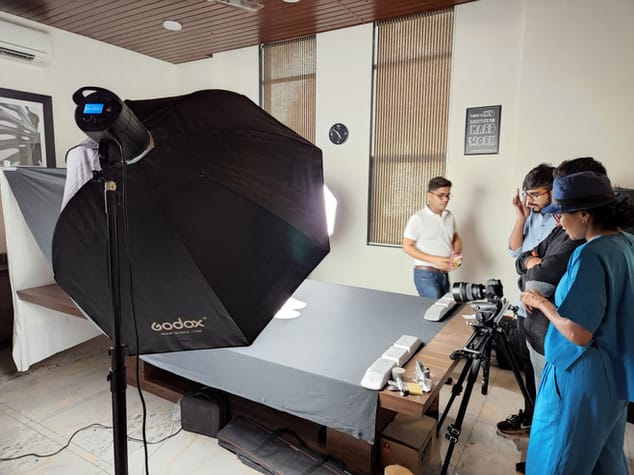
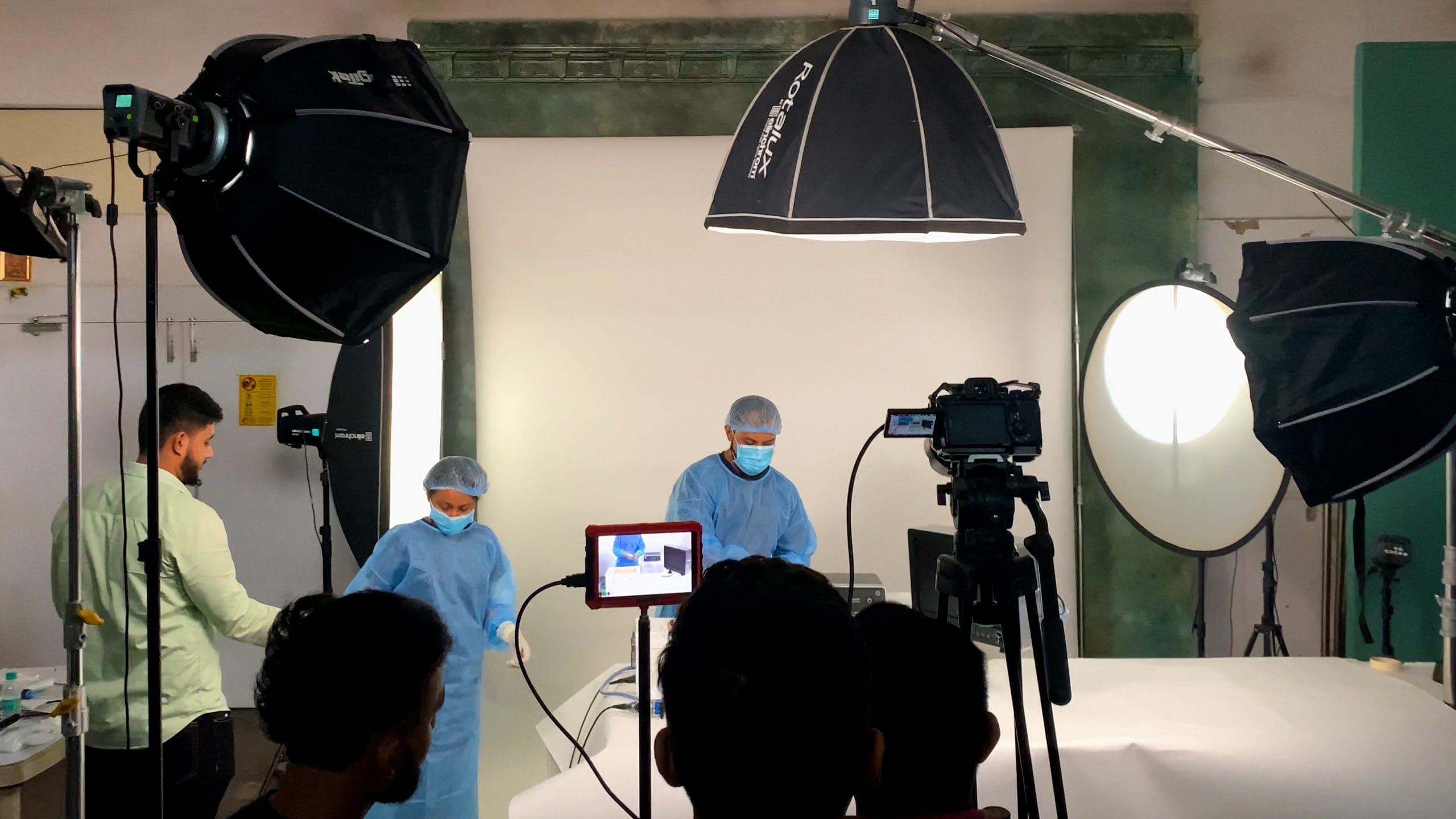
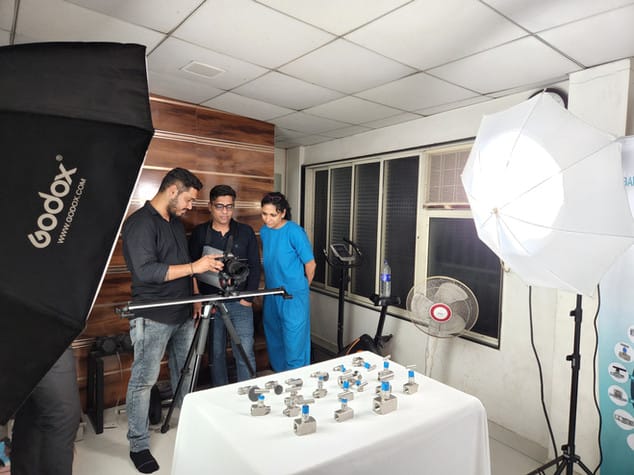
For a business evaluating a product video production company in India, the production brief should account for the intended ecommerce experience.
Redragaa’s product video production work covers product presentation and demonstration formats that can form the creative foundation of an ecommerce campaign.
The production team can plan footage, product close-ups, messaging and edits around the brand’s distribution requirements.
The actual interactive shopping functionality, including website integrations and product tagging, must be implemented and tested on the relevant commerce platform.
Brands considering more sophisticated video production solutions should coordinate their ecommerce, marketing and production teams early.
Final Thoughts
Shoppable videos offer Indian D2C brands a way to bring product discovery closer to the buying process.
The strongest opportunities come from combining clear product demonstrations, relevant shopping actions and a smooth ecommerce experience.
For brands planning their next collection launch, Redragaa’s product film services provide a starting point for discussing how video content should present products across digital channels.