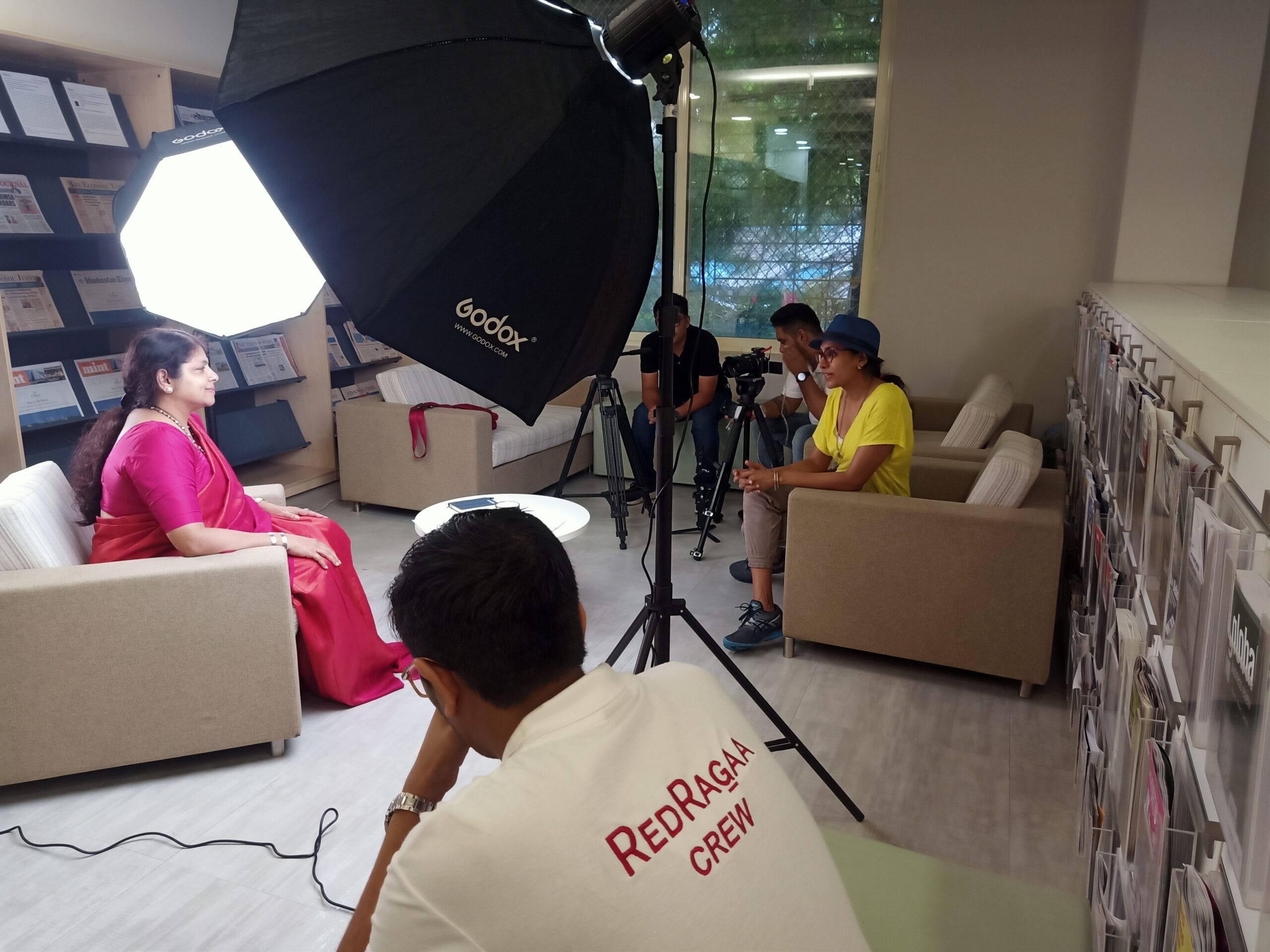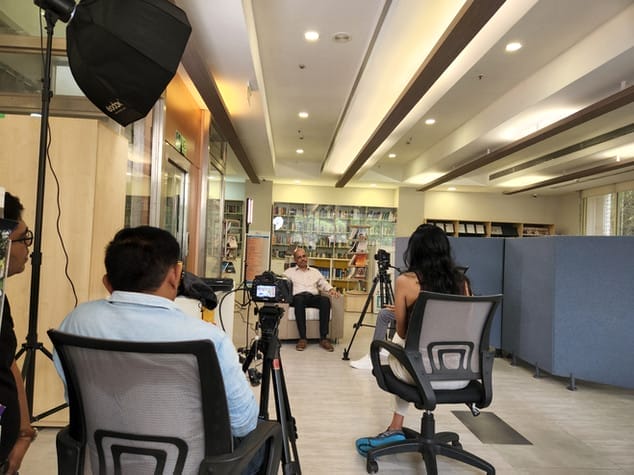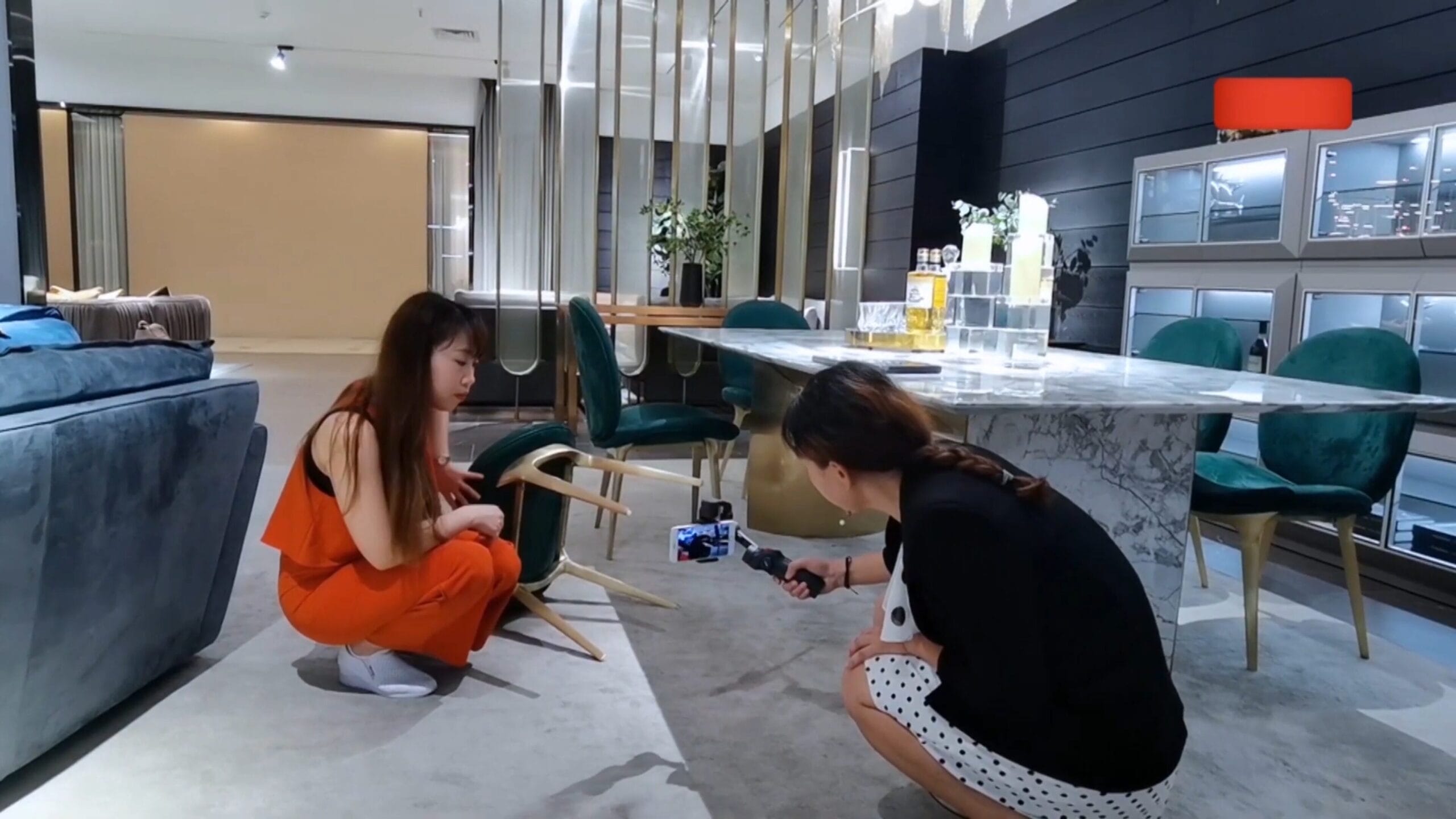
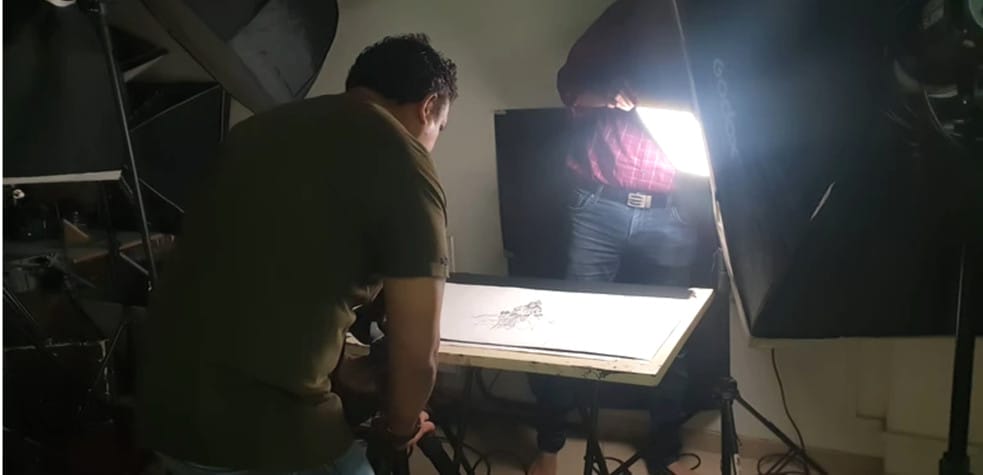
A customer can be in front of a product and pick it up, read the details and ask questions to decide on the purchase. Brands can’t have that advantage online. The product needs to convey messages via imagery, textual description and, more recently, video.
This is where a product video production company in Mumbai can be useful when brands need not only to show people what their product looks like but also what it does, whom it is for and why.
Product Video Production Is More Than Recording the Product
Product video production is the process of turning a product’s features, purpose and value into visual communication.
Simply placing a product in front of a camera and filming it rarely achieves that on its own. A useful product video needs decisions about what the audience should notice, which features deserve emphasis, how the product should be demonstrated and what viewers should understand when the video ends.
The production approach can therefore involve scripting, visual planning, demonstrations, close-up shots, graphics, animation, voice-over and editing depending on the product and objective.
For businesses comparing a product video production company in Mumbai, it is worth looking beyond camera equipment or showreels and considering how well the production team understands the product and its intended buyer.
Start With the Question the Buyer Needs Answered
Before discussing cameras, sets or editing styles, there is a more important question:
What does the potential buyer need to understand about this product?
For one product, the answer might be how a mechanism works. Another may need its build quality to be visible. A technology product could require an explanation of several features, while a consumer product may benefit more from being shown in a realistic setting.
A useful production brief can begin with questions such as:
- What problem does the product solve?
- Which feature is hardest to explain through text or photographs?
- What might make a customer hesitate before buying?
- Who is expected to watch the video?
- What should the viewer know or do afterwards?
These answers influence practically every creative decision that follows.
One Product Can Need Several Very Different Videos
There is no single format that suits every product or marketing objective.
- Product demonstration: Shows how the product works in practice.
- Feature video: Explains important features and what they mean for the buyer.
- Lifestyle video: Places the product in a realistic usage context.
- Launch video: Introduces a new product or model to the market.
- Tutorial: Helps customers understand how to use the product correctly.
A manufacturer demonstrating industrial equipment, for example, will usually need a different communication approach from a lifestyle brand introducing a consumer product.
Even the same product may require more than one version when it is being used across different stages of the buyer journey.
Brands looking at different approaches can also explore different types of marketing videos to understand how video formats can serve different communication objectives.
What Happens Before the Product Reaches the Camera?
A significant part of product video production happens before filming starts.
Understanding the Audience
The production team needs to know who will watch the video. A technical buyer may expect specifications and operating details, while a general consumer may need a simpler explanation focused on everyday benefits.
Establishing the Main Message
Trying to communicate every feature at equal length can make a video difficult to follow. Production planning should identify the strongest message and organize supporting information around it.
Developing the Script or Storyboard
The script establishes what needs to be communicated verbally, while a storyboard or visual plan determines how those ideas can be shown.
This may include:
- Product angles and close-ups
- Demonstration sequences
- On-screen information
- Locations or backgrounds
- Props and supporting elements
- Presenter or model requirements
- Animation or graphic requirements
Planning the Shoot
Products can create practical production challenges. Reflective surfaces, small details, moving components, screens and different materials may all require different lighting and camera approaches.
Planning these requirements beforehand helps the shoot remain focused on the communication objective.
What Happens During Production?
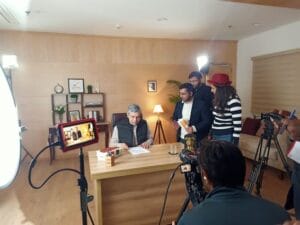
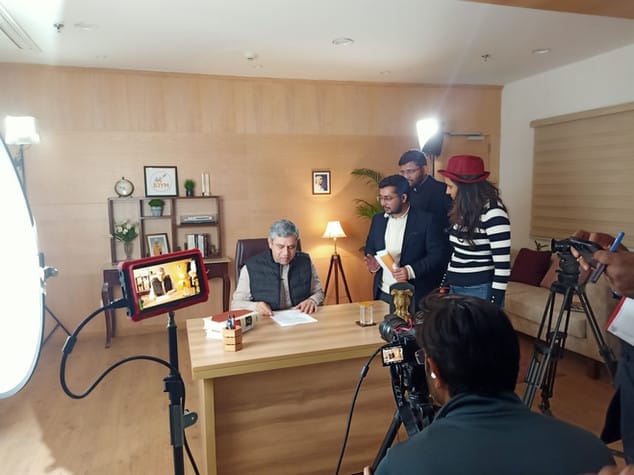
Once filming begins, the production team captures the visual material required to build the final video.
Depending on the brief, this may involve controlled product shots, detailed close-ups, demonstrations, presenter-led sequences or filming the product in an actual usage environment.
Lighting has an important role here because it affects how shape, texture, color and surface details appear on camera. Camera movement and composition also need a purpose. A moving shot may reveal the form of a product, while a stable close-up might be better for demonstrating a small feature.
The point is not to use every available production technique. It is to use the techniques that make the product clearer.
Editing Turns Footage Into Product Communication
Filming produces raw material. Editing determines how viewers experience it.
An editor decides which shots appear, how long they remain on screen and how information progresses from one point to another.
Depending on the project, post-production may incorporate:
- On-screen text
- Motion graphics
- Feature callouts
- Voice-over
- Music
- Sound design
- Logos and brand elements
- Color correction
- Product specifications
Sequencing matters particularly when the product needs explanation. Information should arrive in an order viewers can follow rather than becoming a rapid collection of visually impressive shots.
For products that require more detailed visual explanations, explainer video production can also incorporate structured visual communication to make complex information easier to understand.
The Most Attractive Product Video Is Not Always the Most Useful
It is easy to assume that more dramatic visuals automatically produce a stronger product video.
It is not always the case.
Suppose a company sells a technically complex machine. Cinematic lighting and fast edits may make the machinery look impressive, but they will not necessarily help a prospective buyer understand its operation.
Sometimes a steady demonstration, labeled components and a clear explanation will do more useful work.
The right balance depends on the product. Visual appeal still matters, particularly for brand perception, but it should support communication rather than compete with it.
A product video should ultimately help the viewer understand something that was difficult to understand before watching.
This is also why brands should consider the factors discussed in why product videos fail to convert when deciding how their own product should be presented.
Where Will Customers Actually Watch the Video?
A video should also be planned around where it will appear.
A product video embedded on a website may be watched by someone already researching the product carefully. A video used during a sales presentation has a different audience context. Social platforms may demand quicker communication because viewers encounter the content while scrolling.
Product videos can potentially support:
- Product and category pages
- Corporate websites
- Sales presentations
- Social media communication
- Product launches
- Exhibitions and events
- Dealer or distributor communication
- Digital advertising
- Direct sales outreach
Knowing the primary destination before production can influence video duration, framing, pacing and the amount of information included.
Producing one master video and then expecting it to work equally well everywhere can therefore be limiting. Brands should discuss possible versions and platforms during the planning stage.
For businesses selling jewellery, for example, specialised formats such as product videos for jewellery collections may require a different visual approach based on the product category and audience.
Before You Brief a Production Company
Before approaching a product video production company in Mumbai, brands can prepare a simple five-question brief:
- Who is the video for?
Define the intended buyer or audience as precisely as possible. - What must viewers understand?
Choose the most important product message rather than providing an unrestricted feature list. - What should be demonstrated visually?
Identify mechanisms, details or applications that become easier to understand when shown. - Where will the finished video be used?
Mention websites, presentations, social platforms, campaigns or other channels. - What action should follow the video?
This might be making an inquiry, requesting a demonstration, exploring specifications or proceeding toward purchase.
Having these answers gives the production team a much stronger starting point than simply asking for an attractive product film.
Make the Product Easier to Understand, Not Just Better to Look At
Customers cannot always inspect a product physically before deciding whether it deserves further consideration. A well-planned video can bridge part of that information gap by showing details, demonstrating use and arranging product information in a form that is easier to absorb.
At RedRagaa, we approach product-focused video with the communication objective in mind before deciding how the production should look. From planning the message and visual treatment to production and post-production, our focus is on creating video content that supports what the brand actually needs to communicate.
If your product needs more than static photographs to explain its value, speak with our team about developing a video around the questions your customers genuinely need answered.
Frequently Asked Questions
1. What is the main purpose of a product video?
A product video helps viewers understand a product visually. Depending on the objective, it may demonstrate how the product works, explain key features, show its applications or introduce it to a new audience.
2. How long should a product video be?
There is no universal ideal length. Duration should depend on the complexity of the product, the information viewers require and the platform where the video will be used. A simple introduction may be brief, whereas a technical demonstration can require more time.
3. Does every product video need a professional studio?
No. Some products benefit from controlled studio filming, while others need to be shown in factories, offices, homes, outdoor environments or their actual operating location. The setting should support the message and intended use.
4. Should a product video explain every feature?
Not necessarily. Including too many features can weaken the main message. It is usually more useful to prioritize the features that matter most to the intended customer and structure additional information around them.
5. Can one product video be used across different platforms?
It can, but different platforms may benefit from different edits. Website visitors, social-media viewers and sales prospects encounter video in different contexts, so variations in length, framing or messaging may sometimes be useful.
6. What information should a brand provide before production starts?
Brands should ideally provide product information, the intended audience, important features, the main communication objective, usage scenarios, brand guidelines and details about where the finished video will be shown. This helps the production team plan the concept around the business requirement.