There is no responsible single answer to how long professional video production takes. A straightforward interview-led corporate video might move from briefing to delivery relatively quickly, while a multi-location production involving several speakers, custom graphics and multiple approval rounds can take considerably longer.
When businesses approach a video production company in Bangalore, the more useful question is not simply, “How many days will this take?” but, “What needs to happen at each stage before the video is ready to publish?”
Understanding those stages makes timelines easier to plan and reduces unnecessary delays.
Think in Production Stages Rather Than One Deadline
Professional video production is rarely one continuous activity. It is a chain of connected stages, and each stage affects what happens next.
A typical project includes:
- Briefing
- Concept development
- Pre-production
- Filming
- Editing
- Reviews
- Final delivery
Some stages may take only a day or two. Others depend heavily on internal approvals, participant availability or production complexity.
That is why two videos of similar length can still have completely different production timelines.
Stage 1: Briefing and Defining the Objective
The first stage establishes what the video actually needs to achieve.
A production team may need to understand:
- Who the intended audience is
- Where the video will be used
- What action viewers should take
- Which product, service or message needs priority
- Whether the video is designed for customers, employees, investors or another audience
- What deliverables and formats are required
A clear brief can speed up the entire project.
Problems usually appear when stakeholders have different ideas about the video’s purpose. If one team expects a corporate profile while another wants a product-focused sales film, those differences need to be resolved before scripting begins.
For businesses still defining the right format for their project, a broader video production guide can help provide context around the production process and planning considerations.
Stage 2: Concept and Script Development
Once the objective is clear, the creative direction begins taking shape.
Depending on the project, this stage can involve concept options, story structure, interview questions, voice-over scripts, visual references and initial shot ideas.
A professional video production company in Bangalore should use this stage to translate the business objective into something that works visually rather than simply turning a written marketing message into spoken dialogue.
Script development may move quickly when the message is already well defined. It can take longer when several departments need to review technical information, claims, terminology or brand messaging.
The more stakeholders involved, the more important it becomes to establish who has final approval.
A project that depends heavily on storytelling may also benefit from understanding how to create a captivating corporate film before production moves into the filming stage.
Stage 3: Pre-Production
Pre-production is where the practical details of the shoot are organized.
This stage can include:
- Confirming locations
- Scheduling employees, actors or interview participants
- Planning shoot dates
- Selecting camera, lighting and audio requirements
- Creating a shot list
- Organizing permissions where required
- Preparing products, props or sets
- Confirming scripts and talking points
- Receiving final approvals before filming
For a simple office interview, pre-production may be relatively straightforward.
A factory film, customer testimonial video or multi-location corporate project may require significantly more coordination.
This stage is often where good planning saves the most time later.
For productions involving customers as participants, the planning requirements can be similar to those involved in testimonial video production, where participant coordination and interview preparation can influence the schedule.
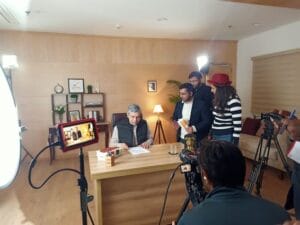
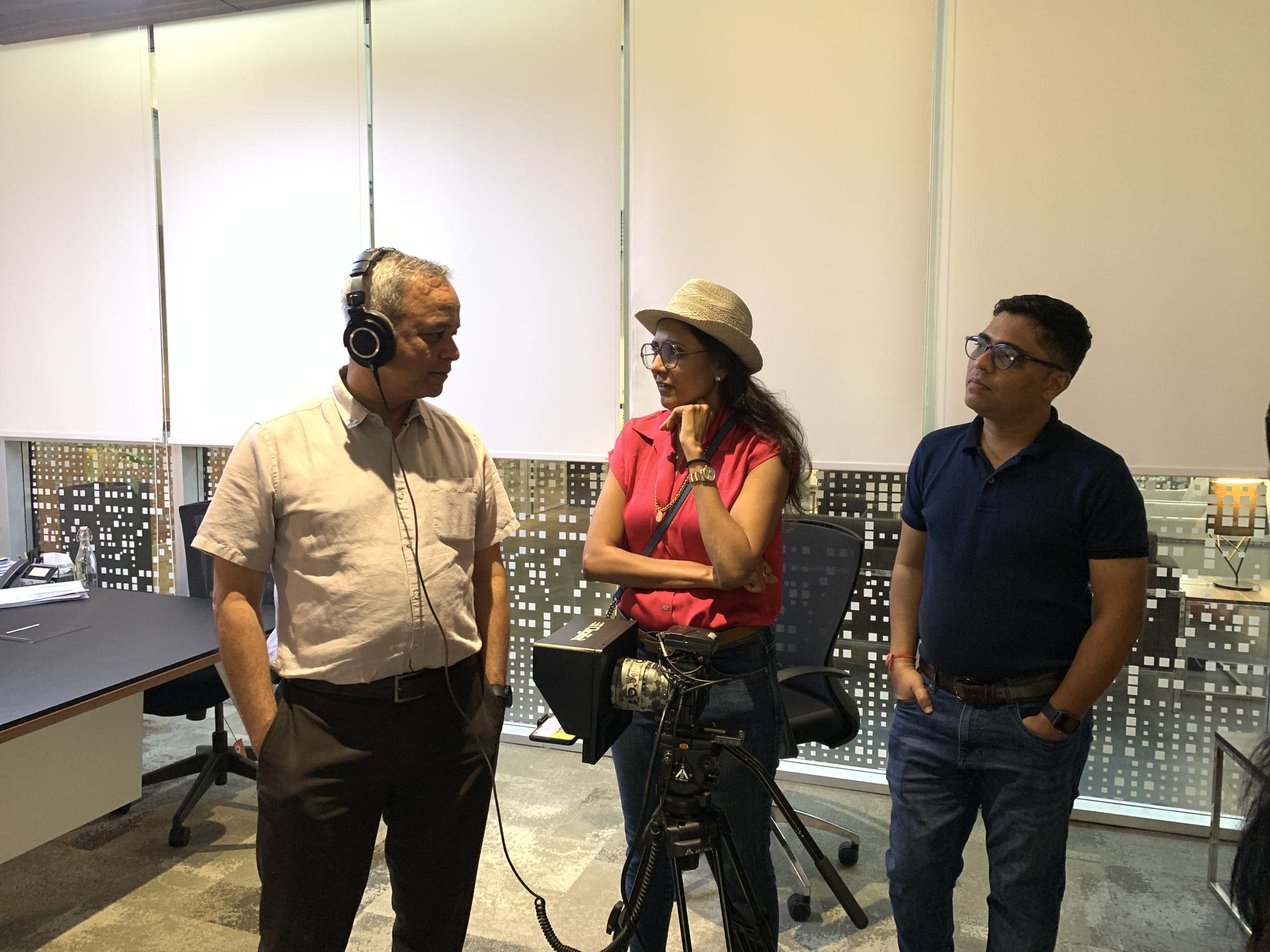
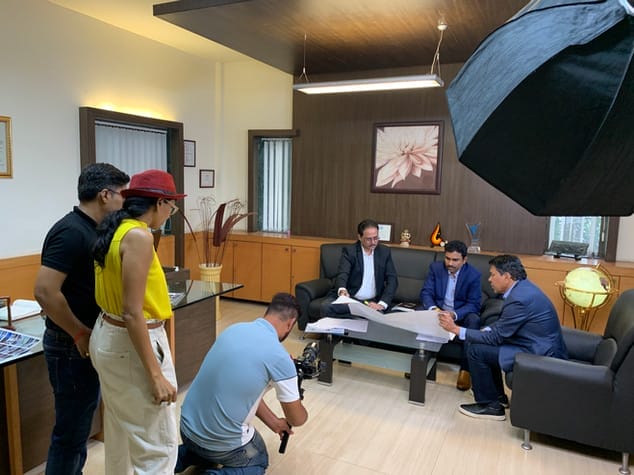
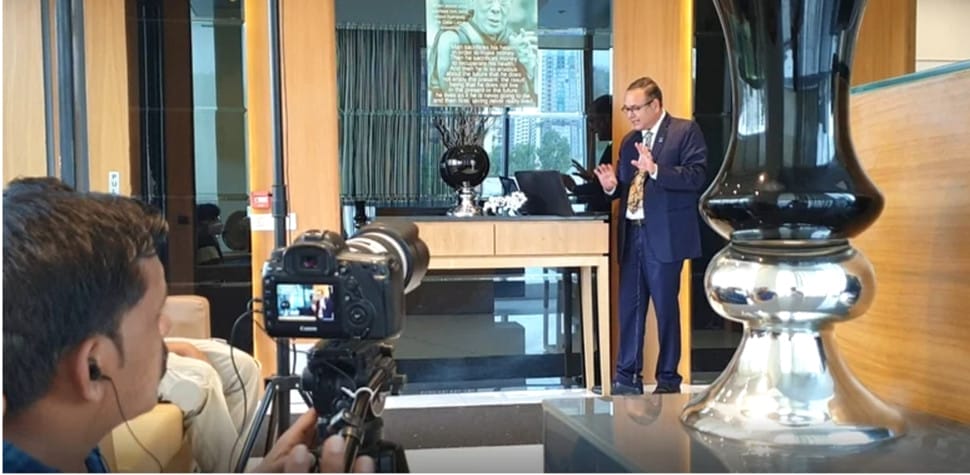
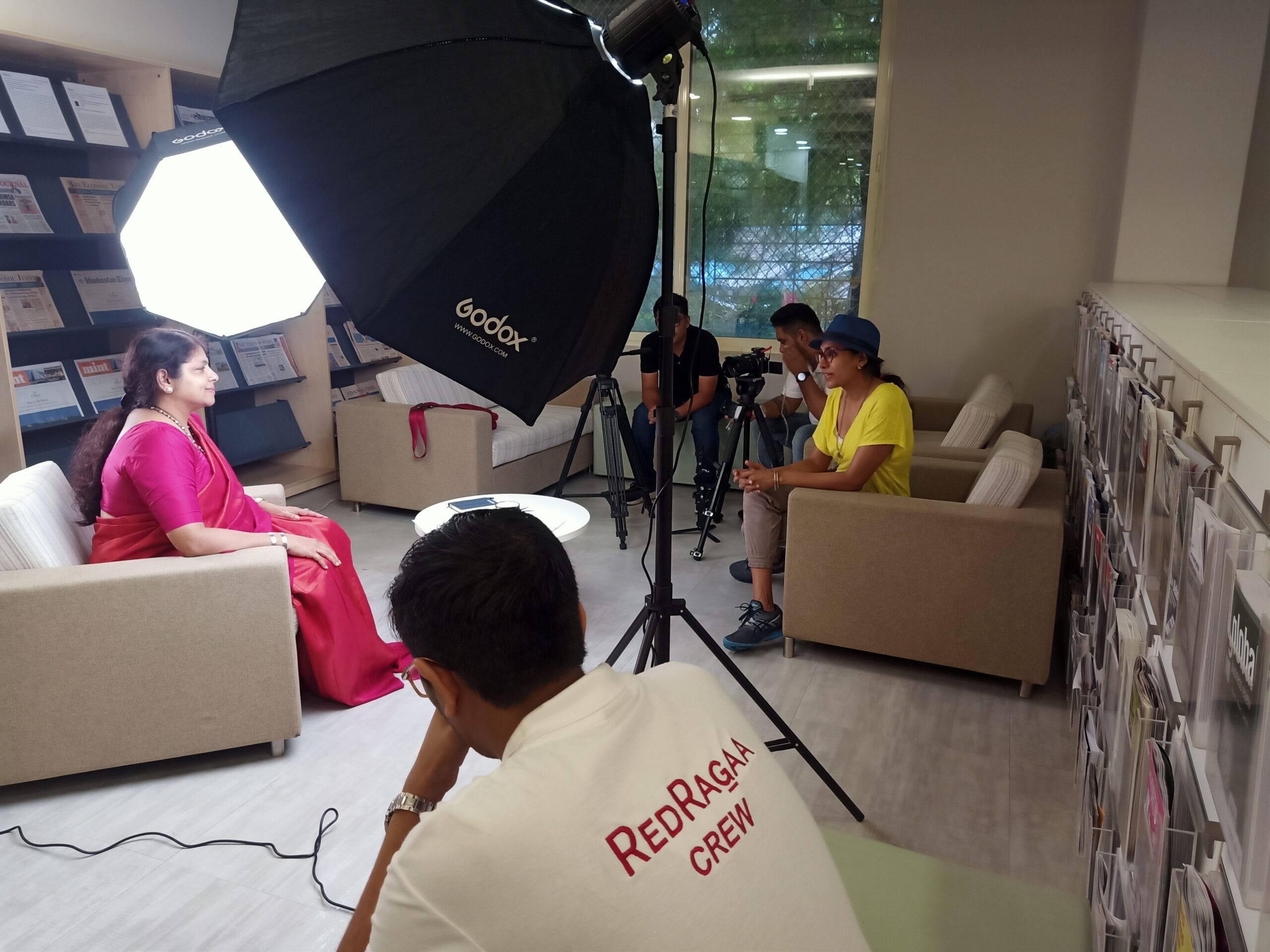
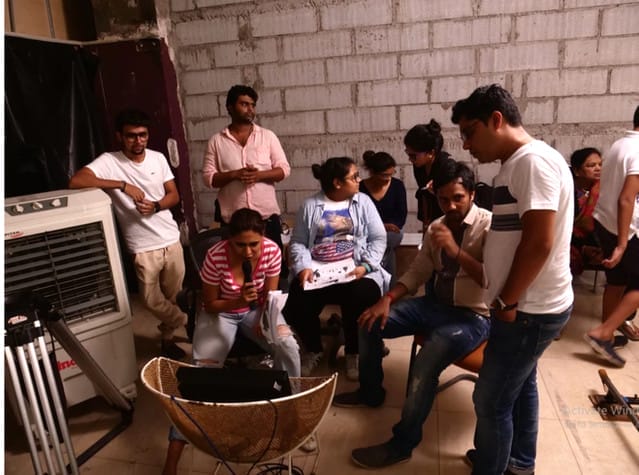
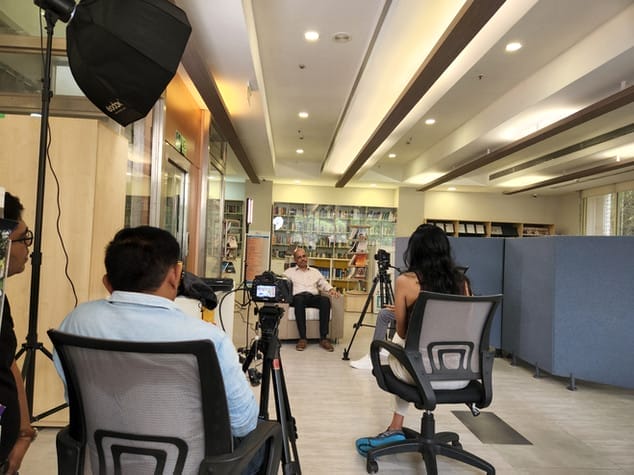
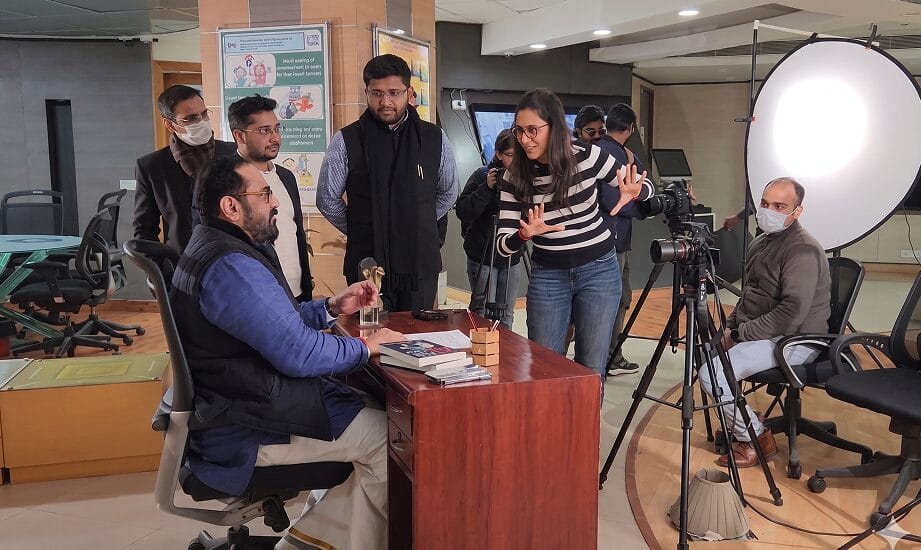
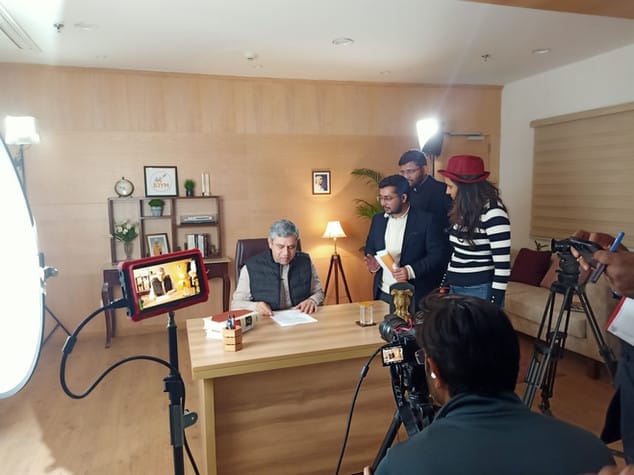
Stage 4: Production Day
The shoot itself is the most visible part of video production, but it is usually only one part of the overall schedule.
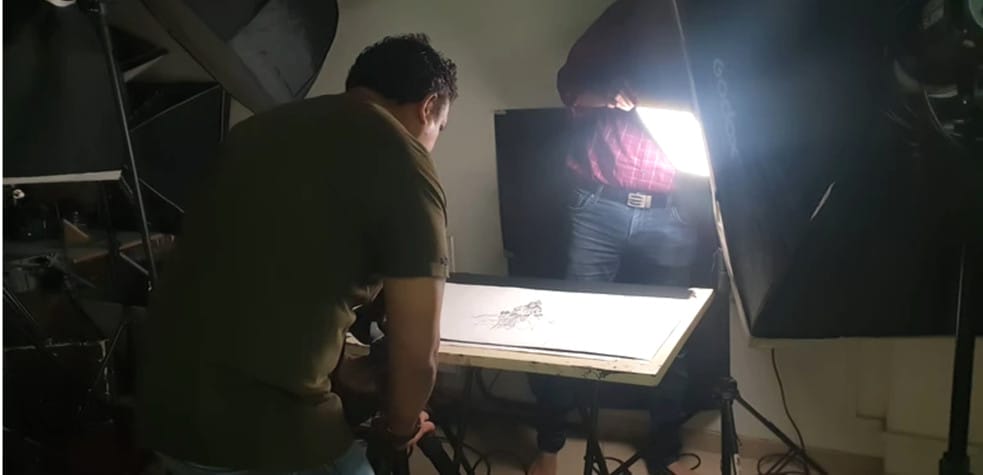
The production team may need time to:
- Set up lighting and audio
- Prepare interview subjects
- Capture multiple takes
- Move equipment between areas
- Record supporting footage
- Account for changes in location conditions
One video may be filmed in a few hours. Another may require several production days.
What matters is capturing enough usable material to build the final story properly. Trying to save a few hours during filming can create bigger production problems if missing footage later requires another shoot.
For industrial projects, the number of locations, machinery and processes being documented can affect the shoot schedule, particularly with industrial video production for manufacturing businesses.
Stage 5: Editing and Post-Production
After filming, the raw footage still needs to become a finished video.
Editors usually begin by reviewing and organizing the footage before creating the first cut.
Depending on the project, post-production may also include:
- Video editing
- Sound editing and mixing
- Color correction or grading
- Motion graphics
- Titles and captions
- Animation
- Voice-over
- Music selection
- Visual effects
- Different versions for digital platforms
A straightforward edit may progress quickly, while animation-heavy or highly designed corporate films naturally require more post-production work.
The number of final formats also matters. A business may need one main corporate film as well as shorter cuts for LinkedIn, Instagram, sales presentations or advertising.
When animation is a major part of the project, 2D explainer videos can involve additional creative and post-production requirements that should be considered when estimating the overall schedule.
Stage 6: Review, Feedback and Final Delivery
The first edit is rarely the final version.
Businesses normally review the initial cut and provide feedback before the production team prepares revised versions.
This stage can move smoothly when comments are collected and consolidated.
It becomes slower when feedback arrives separately from several stakeholders. One person may request a scene to be removed while another later asks for it to be restored.
A simple internal review system helps avoid repeated editing cycles.
Once revisions are approved, the video can be exported in the required resolutions, aspect ratios and file formats.
What Usually Extends a Video Production Timeline?
Many delays have little to do with cameras or editing software.
Delayed Approvals
Scripts, locations and creative directions often need approval before the next stage begins. Waiting several days for each decision can quickly extend the schedule.
Participant Availability
Executives, employees, customers and other participants may have limited availability, particularly when several people must appear in the same video.
Multiple Filming Locations
Each location can involve travel, setup time, access permissions and different shooting conditions.
Late Script Changes
Changing the central message after storyboards or shooting plans are complete can affect several parts of production.
Additional Deliverables
Creating multiple social cuts, language versions, subtitles or platform-specific formats requires additional editing and quality checks.
These factors are also relevant when businesses are comparing video production companies near them, because production timelines can vary depending on the scope and workflow offered by the selected team.
What Can a Business Prepare in Advance?
A company can shorten the production process considerably before the first camera arrives.
Start by clarifying:
- The main objective of the video
- The target audience
- The core message
- Who needs to approve scripts and edits
- Which employees or customers will participate
- Where filming can take place
- Existing brand guidelines
- Product information and supporting material
- Required final video formats
- Any fixed launch or campaign deadline
It is also useful to decide what information absolutely needs to appear and what is optional.
Trying to include every company achievement, service, product and message in one video can make both scripting and editing unnecessarily complicated.
Good Planning Saves More Time Than Rushing the Shoot
The fastest production is not always the project with the shortest pre-production stage.
Quite often, the opposite is true.
Time spent clarifying the objective, approving the script, coordinating locations and preparing participants can prevent reshoots, contradictory feedback and extensive editing revisions later.
At RedRagaa, we approach each project by understanding the business purpose first and then building the production process around it. If you are evaluating a video production company in Bangalore for an upcoming corporate, brand or product video, discussing the expected timeline alongside the scope, deliverables and approval process can give you a far more realistic production plan.
Frequently Asked Questions
1. How long does it normally take to produce a professional corporate video?
There is no fixed duration. A relatively simple production may be completed in a few weeks, while projects involving several locations, animation, extensive scripting or multiple stakeholders can require longer.
2. How long does filming itself take?
Filming can range from several hours to multiple days depending on the number of locations, scenes, interviews, products and supporting shots required.
3. How much time does video editing usually require?
Editing time depends on the volume of footage and the complexity of the final video. Motion graphics, animation, subtitles, voice-over and multiple deliverables can all add to the post-production schedule.
4. How many revision rounds should a business expect?
The number varies by production agreement. Businesses can make revision stages more efficient by collecting comments from all relevant stakeholders and submitting consolidated feedback.
5. What should we prepare before approaching a production company?
Prepare the video’s objective, target audience, preferred deadline, key message, potential participants, locations and any existing brand or product materials. The production company can then help develop the creative and technical requirements.
6. What has the biggest impact on the completion date?
Project complexity matters, but approval delays, participant scheduling, location availability, late creative changes and additional deliverables are often equally important. Clear decisions early in the process usually make the overall timeline much easier to manage.