A polished showreel can make a strong first impression, but it should not make the decision for you. Beautiful shots, smooth transitions and cinematic lighting tell you something about production quality. They tell you much less about whether a team can understand your business, communicate a complicated offering or create a film for the people you actually need to influence.
Choosing a corporate film production company therefore requires looking beyond what appears on screen. You need to understand how the team thinks, plans, communicates and turns a business objective into a finished film.
A Strong Showreel Is Only the First Check
A showreel is useful for assessing technical capability. Look at framing, lighting, editing, sound, graphics and the overall consistency of the work.
Then go deeper.
Open a few complete projects rather than watching only a compilation of impressive shots. Ask yourself what each film appears to be trying to achieve. Does it explain the business clearly? Is there an obvious audience? Does the film maintain attention without allowing the visual treatment to overwhelm the message?
Corporate filmmaking has to do more than look professional. It may need to establish credibility, introduce a company, explain a product, support a sales conversation, communicate internally or strengthen a brand’s positioning.
The right production partner should recognize that distinction.
Businesses can also review examples of professional corporate video production to understand how different production approaches can be used to communicate a company’s story.
Check 1: Do They Ask About the Business Before Discussing the Shoot?
Pay attention to the questions asked during your first conversations.
If most of the discussion immediately revolves around cameras, shoot dates and locations, something important may be missing. A capable production team should first understand what the film needs to accomplish.
Expect questions around:
- Who will watch the film?
- What should viewers understand afterwards?
- Where will the video be used?
- Is there one central message?
- What action should the audience take?
- What makes the business, product or service different?
- Are there technical subjects that need simplifying?
These questions influence practically every creative decision that follows.
A manufacturing company explaining its capabilities to procurement teams, for example, needs a different treatment from a consumer brand introducing a new product. Both may require excellent filmmaking, but the communication challenge is not the same.
This is particularly important for businesses considering corporate video production for manufacturing companies, where facilities, processes and technical capabilities may need to be communicated clearly.
Check 2: Look Beyond Visual Quality in Their Previous Work
When reviewing previous projects, evaluate them as communication pieces rather than simply videos you like watching.
Look for evidence of:
Message clarity: Can you understand the central point without working hard to find it?
Audience awareness: Do different projects feel appropriate for the people they are addressing?
Narrative control: Does each film have a clear progression rather than a collection of attractive scenes?
Brand sensitivity: Does the work vary between clients, or does everything carry the production house’s signature style?
Technical communication: Can complex products, facilities or processes be presented clearly?
Variety can be particularly revealing. If a team can handle corporate profiles, product films, testimonials and explainers without making them feel identical, it suggests that creative decisions are being shaped around individual briefs.
For example, businesses can examine how corporate films differ from brand videos when assessing whether a production partner understands the distinction between different communication objectives.
Check 3: Understand Who Handles Each Production Stage
Corporate film production involves considerably more than the shoot itself. Before appointing a partner, understand how responsibilities are managed from beginning to end.
Brief and Discovery
The production team learns about the company, objective, audience, communication requirements and practical constraints.
Concept Development
The central creative direction begins taking shape. This determines how the information will be organized and presented.
Script
The script converts business information into language and sequences suitable for video. This stage is especially important when a company needs to communicate technical or detailed information.
Pre-Production
Locations, schedules, shot requirements, people, equipment and other logistical elements are planned before filming begins.
Production
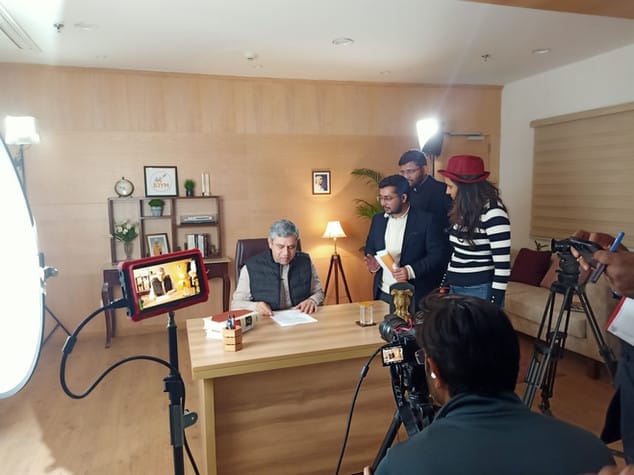
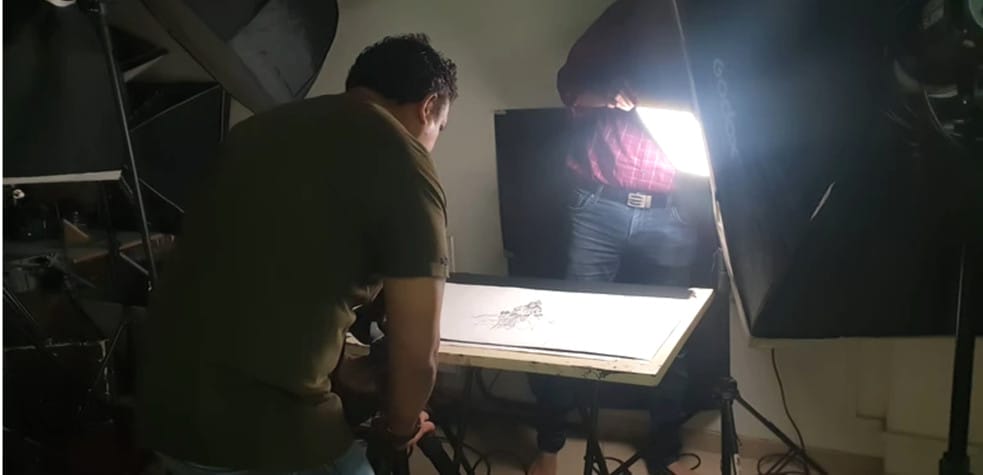
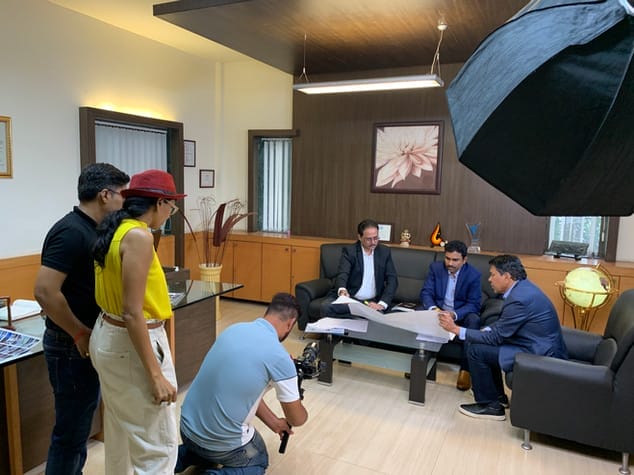
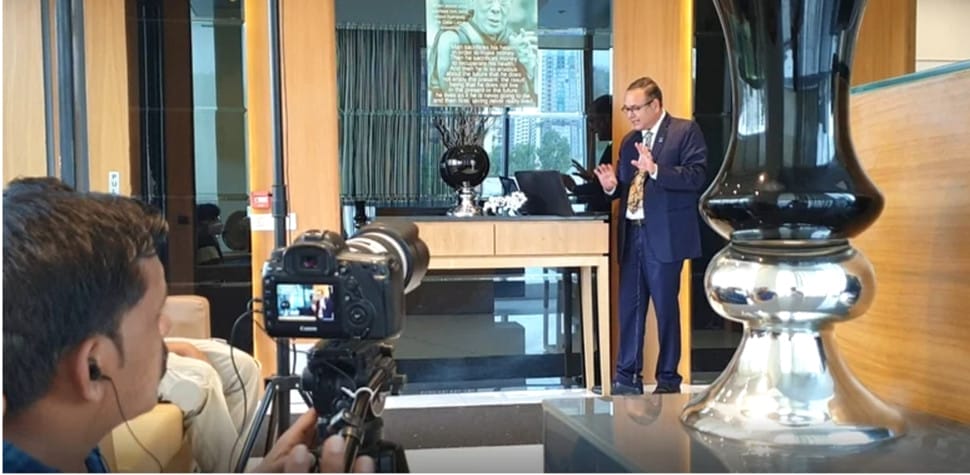
The approved plan moves into filming. Depending on the project, this could involve interviews, facilities, products, employees, demonstrations or staged sequences.
Post-Production
Editing, sound, graphics, animation, color work and other elements turn the footage into a coherent film.
Final Delivery
The approved film is prepared in the formats required for its intended channels.
Clarify whether these stages are handled internally, through external specialists or through a combination of both. Neither model is automatically wrong. What matters is having clear responsibility and communication throughout the project.
A clear understanding of the corporate video production process can also help businesses evaluate what they should expect before, during and after filming.
Check 4: See How They Approach Different Audiences
Not every corporate film speaks to a customer.
A company may need to communicate with investors, employees, distributors, prospective recruits, procurement teams, channel partners or senior decision-makers.
That changes the film.
A B2B audience may require stronger evidence, technical context and operational credibility. In the case of a product film, it may be necessary to make certain features more comprehensible and relate them to real-world benefits to customers. Internal communication might be more likely to focus on clear and consistent terms rather than on promotional language.
Ask a prospective production partner how they would alter the approach for different audiences. Their answer can reveal whether they think strategically or simply apply the same production formula to every brief.
This becomes especially relevant when video content is being used across the B2B buyer journey, because the information required by a prospect can change from one stage to another.
Check 5: Understand What Affects Corporate Film Production Costs
Corporate film production does not have one standard cost because every brief involves different production requirements. Before comparing proposals, understand what is included and which factors are influencing the overall cost.
Common cost factors include:
- Filming locations: Multiple locations can require additional travel, setup and production time.
- Shoot complexity: Longer shoots, larger crews or specialist equipment can increase production requirements.
- Presenters and interviews: The number of people involved can affect scheduling and filming time.
- Graphics and animation: Custom motion graphics or animation generally require additional post-production work.
- Voice-over: Professional voice-over may form a separate part of the production requirement.
- Editing: Complex edits, visual effects and detailed post-production can require more time.
- Final deliverables: Multiple versions, social edits or platform-specific formats can expand the scope of work.
A short video is not automatically a low-cost production. A two-minute product film involving animation, several locations and multiple deliverables may require more work than a longer, straightforward interview-led video.
When comparing production companies, look at what each proposal actually includes rather than judging the decision on the final figure alone.
Businesses can also consider the factors discussed in industrial video production costs in India when a project involves factories, technical processes or industrial environments.
Red Flags Worth Taking Seriously
Some warning signs become visible early in the conversation:
- Little interest in your business objective or audience
- A vague explanation of how the project will progress
- Creative style being discussed before the message
- Every previous film following almost the same visual formula
- Slow or inconsistent communication during initial discussions
- Unclear revision arrangements
- Deliverables that are not properly defined
- Promises being made before the brief has been understood
One issue alone may not rule out a team, but several together should make you examine the decision more carefully.
Questions to Ask Before Making Your Decision
Before appointing a corporate film production company, ask questions that reveal how the team will actually work with your organization.
- What information do you need from us before developing the concept?
- Who will be our main point of contact?
- How do you determine the right creative approach for an audience?
- What happens during pre-production?
- How are scripts and concepts reviewed before filming?
- How do you manage feedback during editing?
- What exactly will be delivered at the end of the project?
- Can the film be adapted for different channels if required?
These questions are more useful than simply asking what camera equipment will be used. Equipment matters, but good equipment cannot compensate for a poorly understood brief.
Choose for Business Understanding, Not Just Camera Skills
The strongest production partner is not necessarily the team with the flashiest showreel. It is the one that can understand what your business needs to communicate and translate that requirement into a film people can follow, remember and act upon.
RedRagaa approaches corporate filmmaking from this business-first perspective. From understanding the brief and developing the concept to production and post-production, the focus is on creating visual communication around the purpose of the project rather than treating filmmaking as an isolated creative exercise.
If you are evaluating a corporate film production company for an upcoming project, discuss the objective, audience and expected deliverables with our team before deciding what the film should look like.
Frequently Asked Questions
1. What should I look for when choosing a corporate film production company?
Look beyond technical production quality. Assess how well the team understands business objectives, audiences, messaging, planning, scripting, production management and final deliverables. Previous work should demonstrate both production capability and communication skills.
2. How should I assess a corporate video portfolio?
Watch complete projects rather than relying entirely on a showreel. Consider whether each film communicates its message clearly, suits its intended audience and feels appropriate for the individual brand.
3. What information should I include in a corporate film brief?
A useful brief should explain the purpose of the film, intended audience, key message, preferred communication channels, important business or product information and any practical requirements already known.
4. What happens before a corporate film is shot?
Pre-production can include discovery, research, concept development, scripting, location planning, scheduling, shot planning and coordination with the people who will appear in the film. The exact process depends on the project’s requirements.
5. Why should deliverables be agreed upon before production?
Clear deliverables help both sides understand what the project needs to produce. This may include the main film, shorter edits, platform-specific versions, graphics or other agreed assets.
6. How important is communication when selecting a production partner?
Very important. Corporate filmmaking involves multiple decisions and approval stages. Clear communication helps keep the brief, creative direction, production requirements, feedback and final delivery aligned throughout the project.