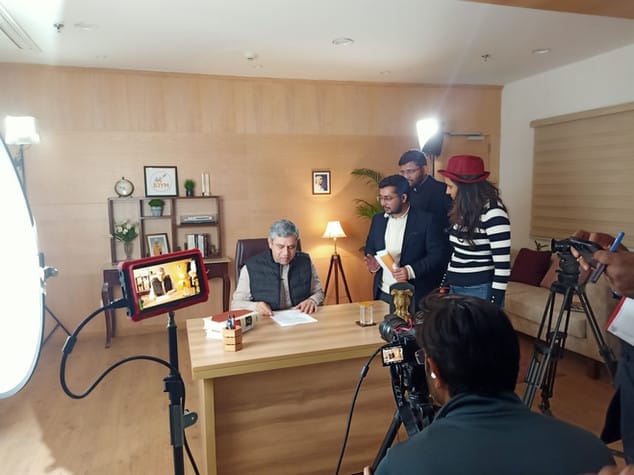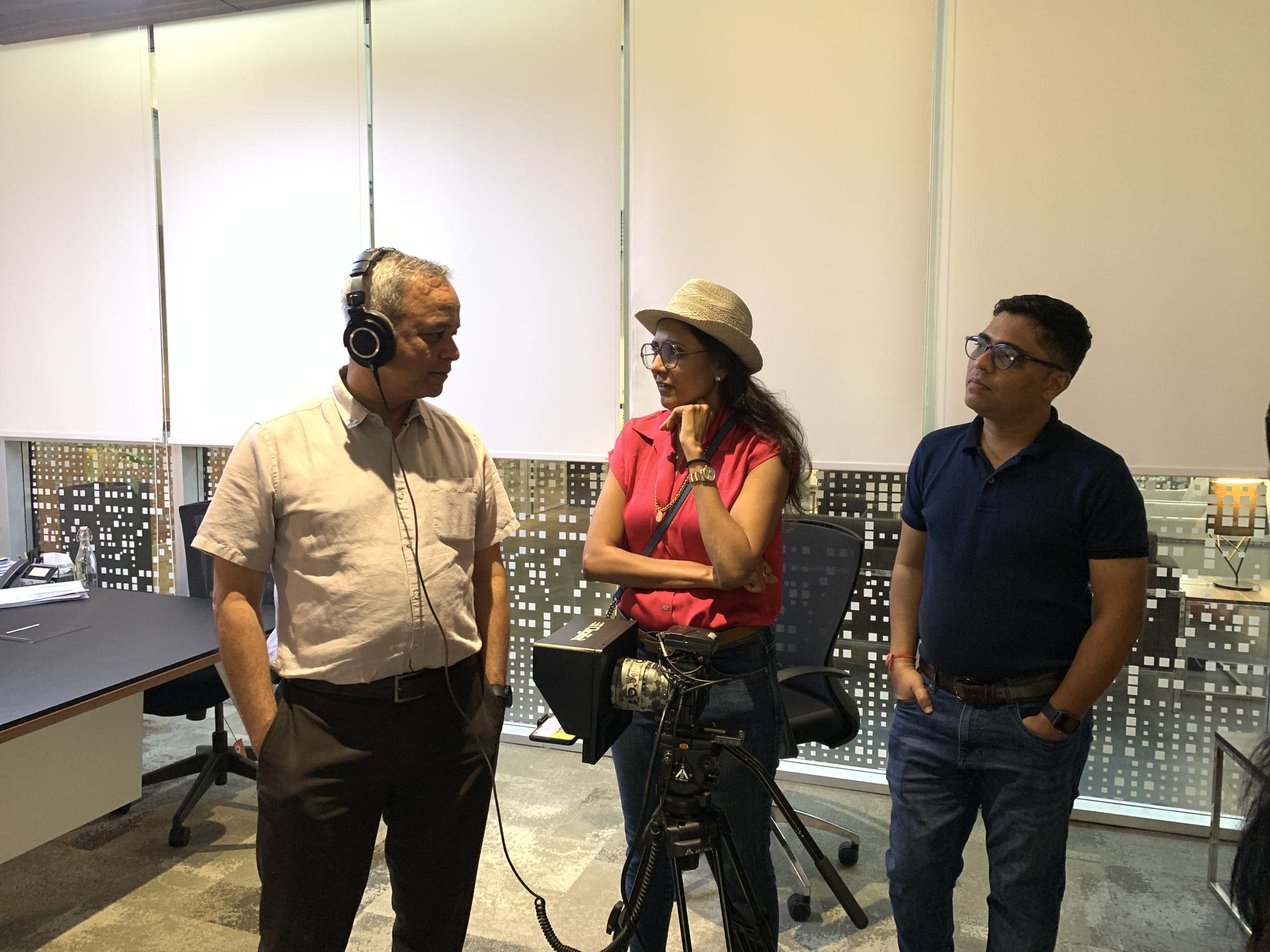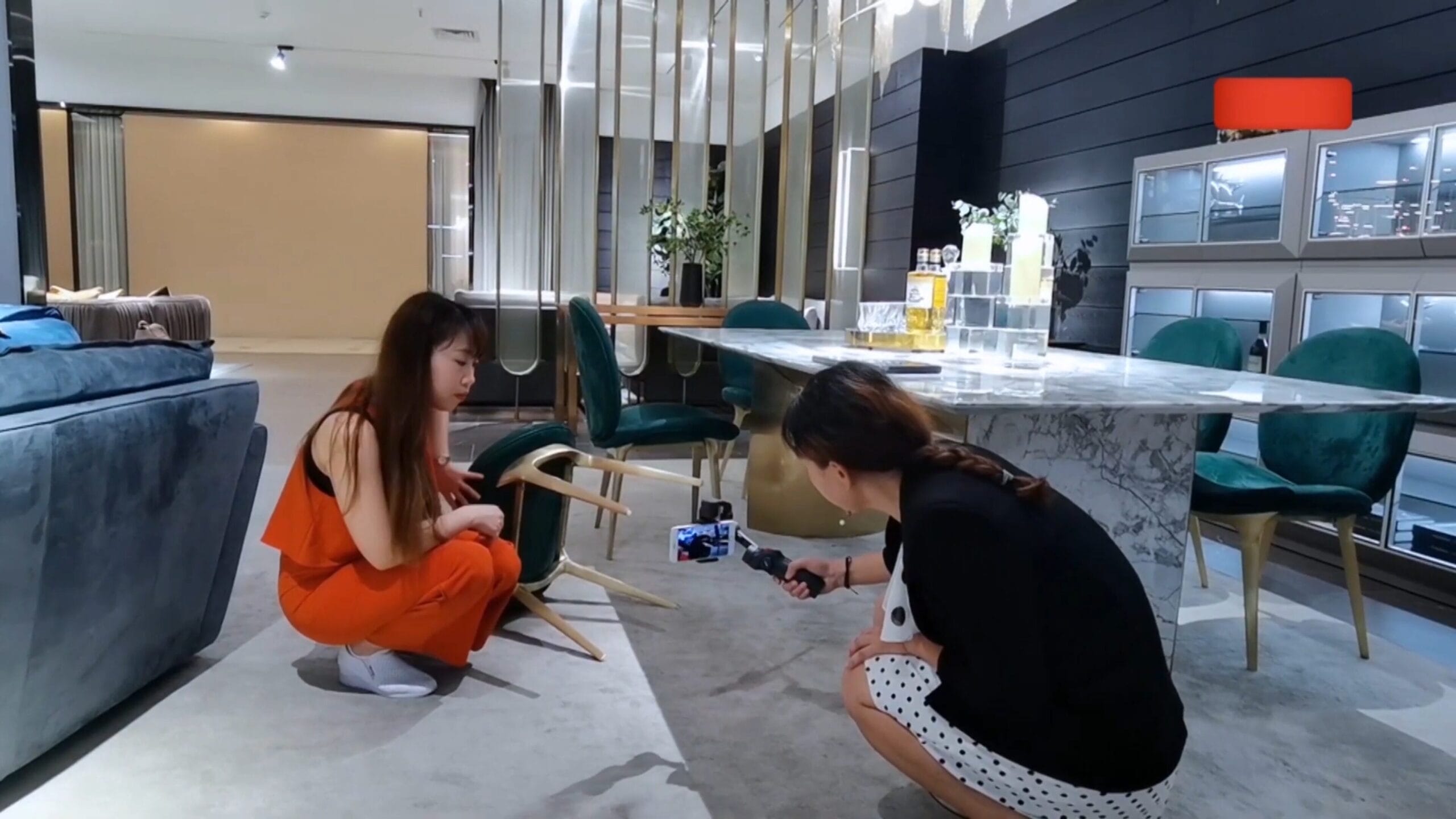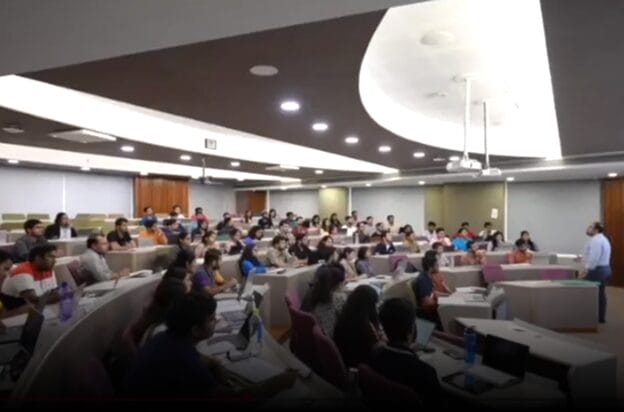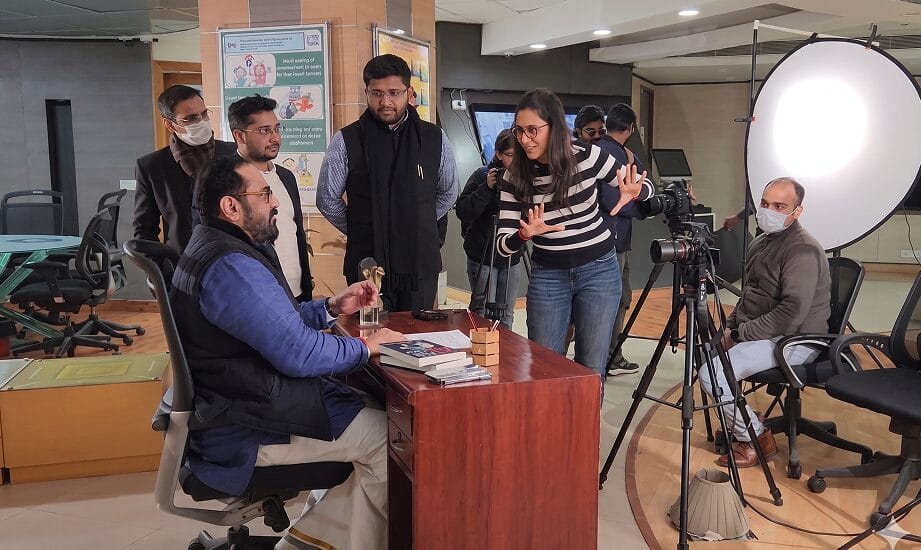
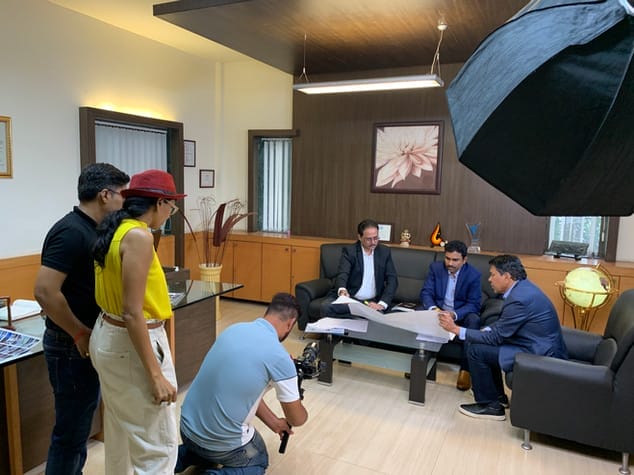
During a shoot, a building with a glass facade that looks great on location could prove to be a nightmare. The setting may be too loud from traffic, the sun might be in the windows during the interview, or it may not have anything to do with the firm that’s being described.
That is why businesses should look for a corporate video company in Mumbai that assesses a location for much more than appearance. The right setting needs to support the message, provide workable filming conditions and feel believable to the audience watching the finished video.
Start With What the Location Needs to Communicate
Before asking where a corporate video should be filmed, it is worth asking what viewers should understand about the business after watching it.
A technology company may want a contemporary environment that reflects innovation and collaboration. A manufacturer may gain more credibility by showing actual machinery, production processes and employees at work. A professional-services firm might need something quieter and more understated for leadership interviews.
The setting therefore becomes part of the communication.
Location planning may consider:
- Brand personality
- Intended audience
- Purpose of the video
- Activities that need to be demonstrated
- Number of people appearing on camera
- Sound requirements
- Lighting conditions
- Equipment and crew requirements
A location that supports these elements usually contributes more to the film than one selected purely because it looks impressive.
Corporate Shooting Locations to Consider Around Mumbai
The best location depends on the story the corporate video needs to tell. Some useful options around Mumbai include:
- Bandra Kurla Complex (BKC): Suitable for modern corporate and business-focused visuals.
- Lower Parel: Useful for contemporary office, leadership and urban corporate settings.
- Powai: Can suit technology, innovation and modern business-focused video concepts.
- Goregaon Film City: An option when a production requires a more controlled filming environment.
A company’s own office, factory or operational facility may also be the better choice when authenticity matters more than an impressive backdrop. Access, noise, lighting and filming permissions should always be checked before finalizing any location.
Corporate Offices: When the Business Itself Should Be the Setting
For many company videos, the organization’s own workplace is the most logical filming environment.
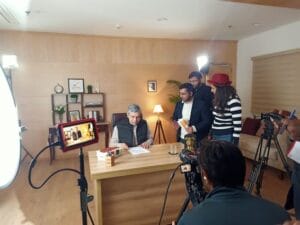
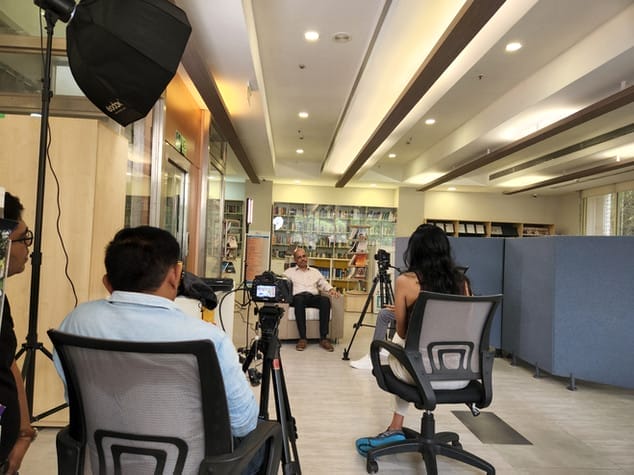
An office provides visual evidence of the business rather than recreating it somewhere else. Workstations, meeting rooms, reception areas and collaborative spaces can provide several backgrounds within a single shoot.
Office filming is particularly useful for:
- Leadership interviews
- Employee testimonials
- Company profile videos
- Recruitment and culture films
- Internal communication
- Workplace demonstrations
The challenge is making an everyday workplace work visually.
A conference room that seems perfectly suitable for a meeting may have a noisy air-conditioning system, reflective glass walls or limited depth behind the interview subject. A location recce can identify these problems before equipment arrives.
Businesses should also consider normal workplace activity. Filming should be scheduled so that essential operations continue without constant interruptions to either employees or the production crew.
Industrial and Manufacturing Locations Around Mumbai
Mumbai and the wider metropolitan region contain a large number of manufacturing, logistics and industrial environments. For companies operating in these sectors, an actual facility can often provide the strongest setting for a corporate film.
Machines running, materials being handled, engineers inspecting equipment and teams working on the production floor can communicate scale and capability far more effectively than generic stock footage.
Industrial filming, however, requires considerably more preparation.
The production team may need to account for:
- Machinery noise
- Safety procedures
- Restricted areas
- PPE requirements
- Shift timings
- Available power
- Heat or ventilation
- Movement of vehicles and equipment
- Confidential processes or information
Filming in a working plant should therefore be coordinated closely with the organization’s operations and safety teams.
The objective is not simply to capture dramatic factory footage. Each shot should help the viewer understand something relevant about the company’s processes, people, capacity or expertise.
Studios: When Control Matters More Than Authenticity
Sometimes authenticity is less important than control.
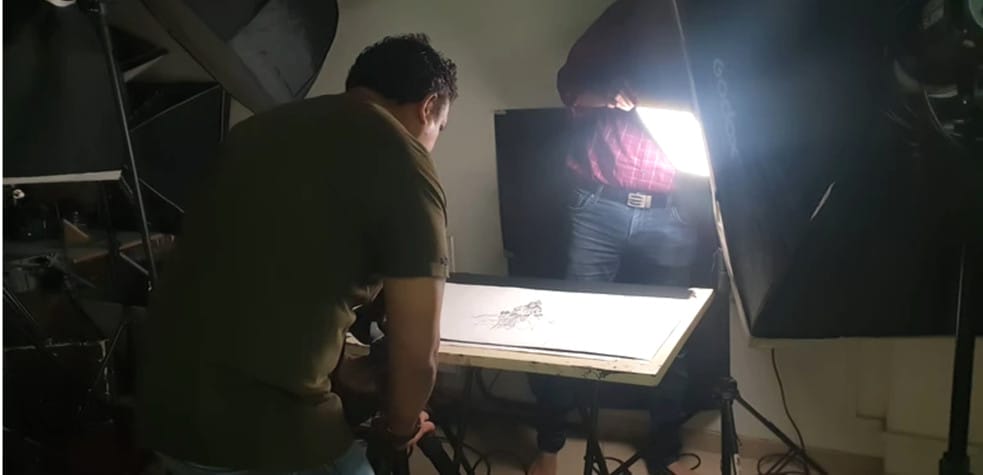
A studio gives the production team much greater control over lighting, sound, backgrounds and camera placement. That can make it particularly useful when a video requires a highly consistent visual style.
Studio production can work well for:
- Product demonstrations
- Presenter-led videos
- Interviews
- Green-screen production
- Training content
- Multiple videos filmed in the same session
Another advantage is repeatability.
If several executives need to appear separately but the finished videos must look consistent, a controlled studio setup can make matching the lighting and composition considerably easier.
Studios are not automatically the better option, though. A company profile filmed entirely against constructed backgrounds may lose some of the authenticity that comes from seeing the organization’s real environment.
The choice depends on what the video needs to achieve.
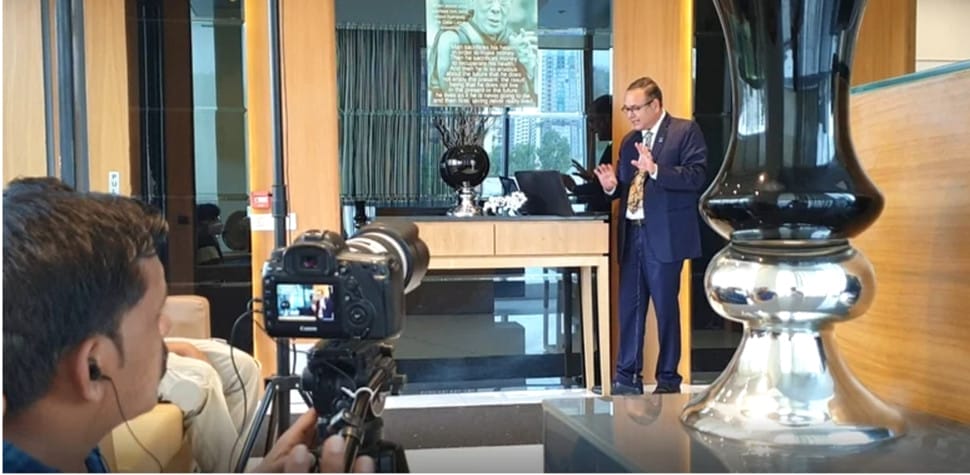
Hotels, Conference Spaces and Business Venues
Hotels, convention facilities and business venues can provide useful filming environments when a company’s own premises are unavailable or unsuitable.
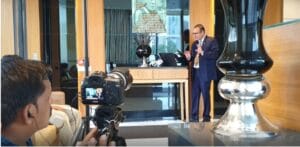
They can work particularly well for executive interviews, conferences, panel discussions, presentations and event-related content.
The visual environment is only one part of the decision.
Production teams should confirm whether filming is permitted, where equipment can be positioned and whether there are restrictions affecting lighting, tripods, cables or crew movement.
Sound should receive equal attention.
A visually polished room next to a busy corridor, kitchen or function area can create unnecessary audio problems. A quieter room with less dramatic décor may produce a much better final result.
Outdoor Mumbai: Strong Visual Identity, More Variables
Mumbai’s outdoor environments can instantly give a corporate video a recognizable sense of place.
That can be useful when geography genuinely matters to the story. A company discussing Mumbai operations, infrastructure, property, logistics or regional expansion may benefit from establishing footage that connects the organization with the city.
Outdoor filming also introduces variables that a production team cannot fully control.
These may include:
- Traffic and background noise
- Pedestrian movement
- Crowds
- Changing daylight
- Rain and humidity
- Wind
- Equipment movement
- Access limitations
- Location permissions
The stronger the dependence on a specific outdoor shot, the more important contingency planning becomes.
Alternative shooting angles, backup locations or schedule flexibility can prevent one unexpected condition from disrupting an entire shoot.
Sometimes the Best Location Is Not the Most Impressive One
Corporate filmmaking creates a temptation to make every scene look as dramatic as possible.
That can be the wrong goal.
Suppose a company wants customers to understand how its engineering team develops and tests a product. Showing engineers working in the actual development environment may be more persuasive than placing executives in a spectacular city location that communicates nothing about the organization.
The same principle applies to interviews.
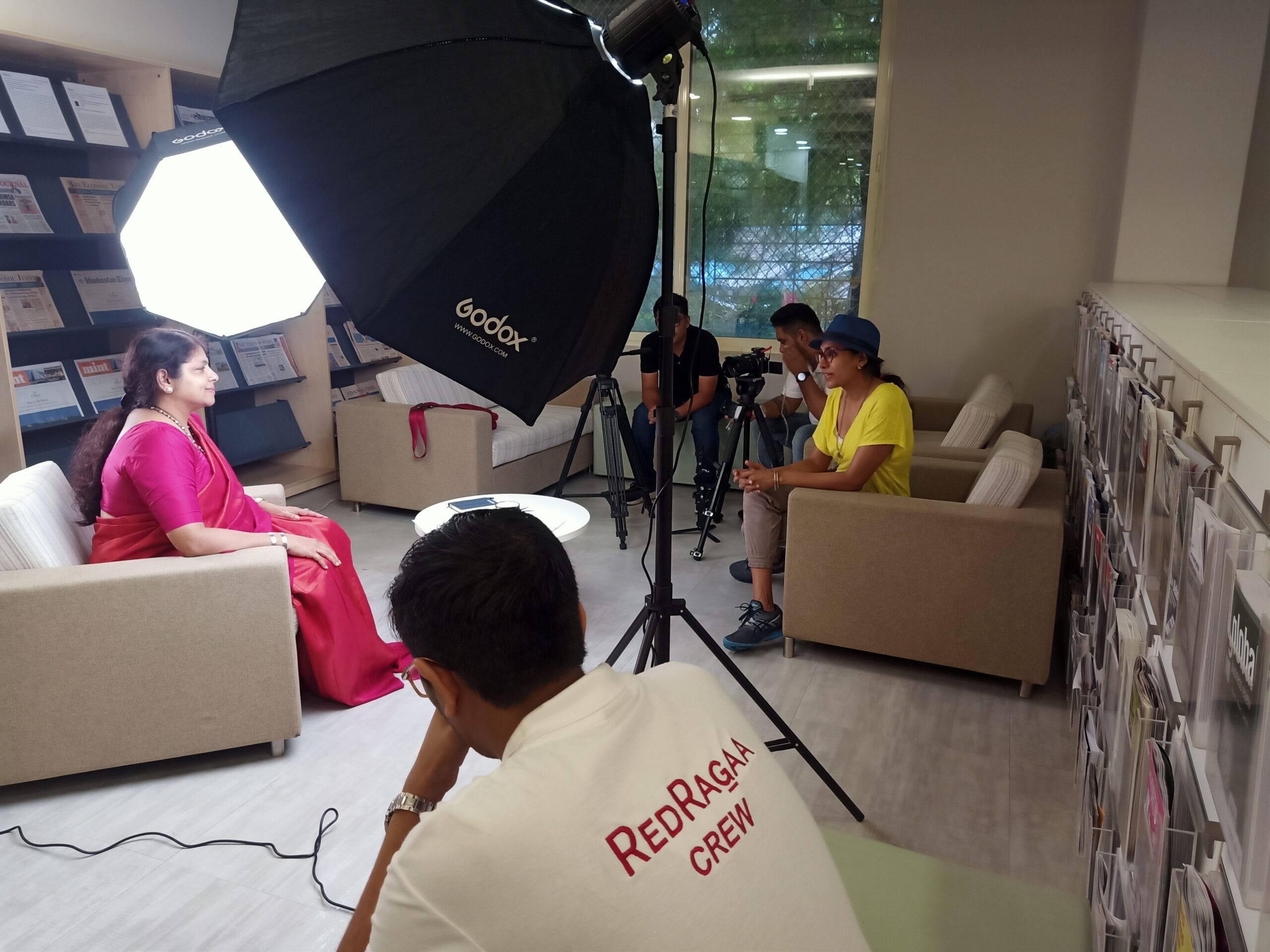
A simple office corner with depth, appropriate lighting and minimal background distractions can sometimes produce a stronger result than an elaborate venue.
Relevance normally deserves priority over spectacle.
When working with a corporate video company in Mumbai, businesses should therefore discuss why each proposed location belongs in the film, rather than simply whether it will look impressive on camera.
Run a Location Check Before Shoot Day
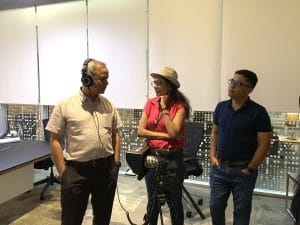
A proper location check reduces avoidable problems during production.
Ideally, the production team should evaluate the environment before shoot day rather than discovering limitations after the crew and equipment have arrived.
Sound
Listen for traffic, machinery, air-conditioning systems, nearby construction and conversations from adjoining areas.
Light
Check where natural light enters the space and how it changes during the intended shooting hours. Artificial lighting conditions should also be assessed.
Power
Determine whether suitable electrical access is available for the required equipment.
Access
Consider lifts, staircases, loading areas, parking and the route needed to move cameras, lights and other equipment.
Space
There should be enough room not only for the people appearing in the shot but also for cameras, lighting and crew.
Background
Look for distracting signage, screens, clutter, confidential information or branding that should not appear in the frame.
Permissions
Clarify whether filming approval is required from the property owner, venue operator or other responsible authority.
Crew Movement
A location should allow the team to work without unnecessarily interfering with staff, customers or normal operations.
Weather Exposure
For outdoor or partially covered areas, weather should form part of the scheduling and backup plan.
A professional corporate video company in Mumbai will generally consider these operational details during pre-production because resolving them beforehand protects valuable filming time.
Choose the Setting Around the Story
There is no single “best” corporate filming location around Mumbai.
The right choice depends on what the company wants viewers to see, understand and remember.
An office can communicate people and culture. A manufacturing facility can demonstrate operational capability. A studio can provide technical control. A business venue can create a polished interview environment, while carefully selected outdoor footage can establish a genuine connection with Mumbai.
At RedRagaa, location planning forms part of the broader video production process rather than being treated as a separate visual decision. The team considers the business objective, story, filming requirements and practical conditions before determining how and where different scenes should be captured.
When the location supports the message instead of competing with it, the finished corporate video has a much stronger foundation.
Frequently Asked Questions
1. Can a corporate video be filmed inside our own office?
Yes. Offices are commonly used for leadership interviews, employee content, workplace footage and company profile videos. The space should first be assessed for sound, lighting, background distractions and room for production equipment.
2. Is a studio better than filming at a real business location?
Neither option is automatically better. Studios provide greater control over lighting, sound and backgrounds, while real workplaces can communicate authenticity and show the organization operating naturally. The video’s objective should determine the choice.
3. What should be checked during a location scout?
A production team should typically assess sound, available light, electrical access, space, backgrounds, equipment movement, accessibility and any filming permissions that may be required.
4. Can corporate videos be filmed outdoors in Mumbai?
Yes, where outdoor footage supports the story. Production planning should account for traffic, crowds, weather, changing daylight, sound conditions and any necessary location approvals.
5. Do businesses need permission to film at every location?
Permission requirements depend on where filming takes place and who controls the property or space. Private venues generally require coordination with their owners or operators, while certain public locations may involve additional requirements. These should be confirmed during pre-production.
6. How should a business choose between different filming locations?
Start with the message rather than the appearance of the location. Consider what viewers need to understand about the organization, then select environments that communicate that information while also providing workable conditions for the production team.