
A customer saying, “We’ve had a great experience working with this company,” may sound positive, but it gives a potential buyer very little information.
What problem did the customer face? Why did they choose that company? What changed after working with them?
These details are what make a testimonial useful, particularly on LinkedIn, where business buyers often evaluate suppliers based on relevant experience and evidence.
A testimonial lasting between 60 and 120 seconds can provide enough time to communicate a specific customer story without requiring an extended viewing commitment. It is a practical starting range rather than a guaranteed winning length.
For marketing teams investing in client testimonial video production in India, the objective should be to communicate credible customer experiences within a format suited to the audience.
Why Testimonial Length Matters on LinkedIn
LinkedIn audiences may encounter testimonial videos while reviewing industry updates, researching service providers or browsing their professional network.
A short testimonial has to establish relevance quickly.
A lengthy interview, meanwhile, may contain valuable information but ask for more attention than the viewer is prepared to give in a social feed.
The 60–120-second format offers room for three essential elements:
- The customer’s original business problem.
- Their experience with the company or solution.
- The outcome or improvement they can genuinely describe.
The correct length ultimately depends on the story being told.
A straightforward service testimonial may work in under a minute, while a technically complex B2B success story may require more time.
What Should a 90-Second Testimonial Include?
Consider a B2B software company featuring a customer who improved a complicated reporting process.
A testimonial could follow this structure.
0–15 Seconds: Establish the Problem
The customer briefly describes the original challenge.
For example:
“Our reporting process involved multiple spreadsheets, and our team spent too much time reconciling information.”
This gives the viewer a clear reason to continue watching.
15–40 Seconds: Explain the Decision
The customer discusses what they needed from a solution and why they selected the provider.
This section should focus on practical considerations rather than general compliments.
40–75 Seconds: Show the Experience and Outcome
The customer explains what happened after implementation.
Specific, supportable details carry more weight than broad statements about satisfaction.
If a measurable improvement is available and the customer has approved its use, it can be included. Otherwise, an honest description of the operational difference is sufficient.
75–90 Seconds: End With a Relevant Perspective
A final comment might explain which type of business would benefit from the solution or what the customer values most about the relationship.
A polished promotional slogan is unnecessary.
For more guidance on the subject, businesses can examine how authentic customer testimonials are developed.
Why Shorter Is Not Always Better
The common assumption that every social media video should be extremely short can be misleading for B2B marketing.
Someone considering a significant software contract, manufacturing supplier or professional service may need more information before taking the next step.
A 20-second testimonial can introduce a positive experience but may not provide enough context to reduce uncertainty.
A 90-second customer story can demonstrate the nature of the problem and explain the provider’s role more convincingly.
Longer stories may still be appropriate on case-study pages, sales presentations and other channels where viewers have stronger intent.
The key is matching duration to the buyer’s information needs.
The Questions You Ask Matter More Than the Script
A convincing testimonial rarely comes from asking a customer to memorise promotional lines.
Instead, use questions that encourage specific answers.
For example:
- What was becoming difficult before you approached this company?
- What alternatives were you considering?
- What influenced your decision?
- How did the team handle the project?
- What has changed since implementation?
These questions help reveal the experience behind the endorsement.
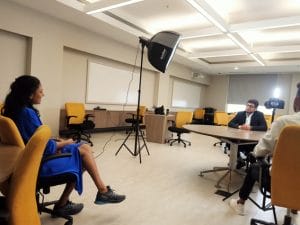
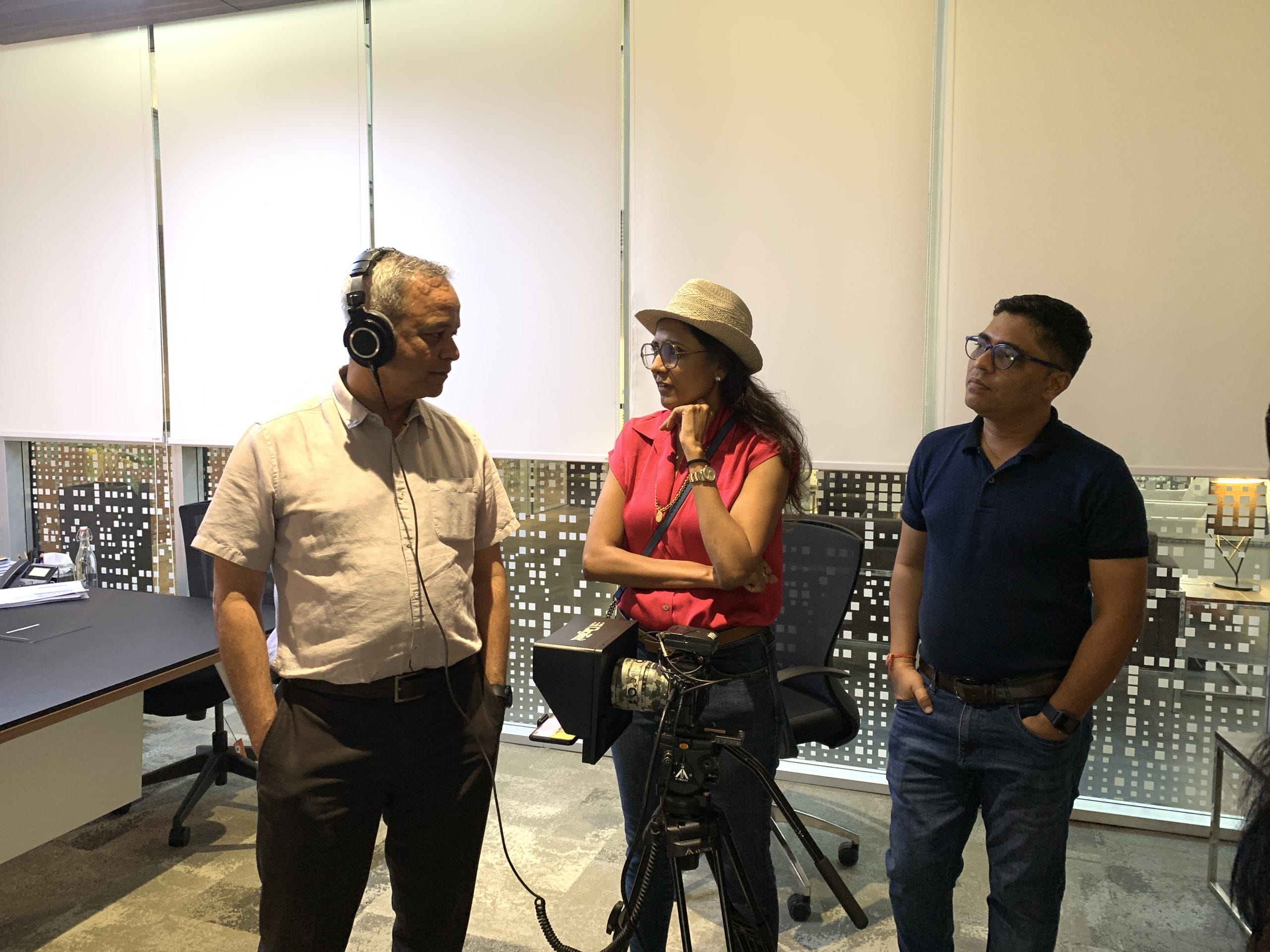
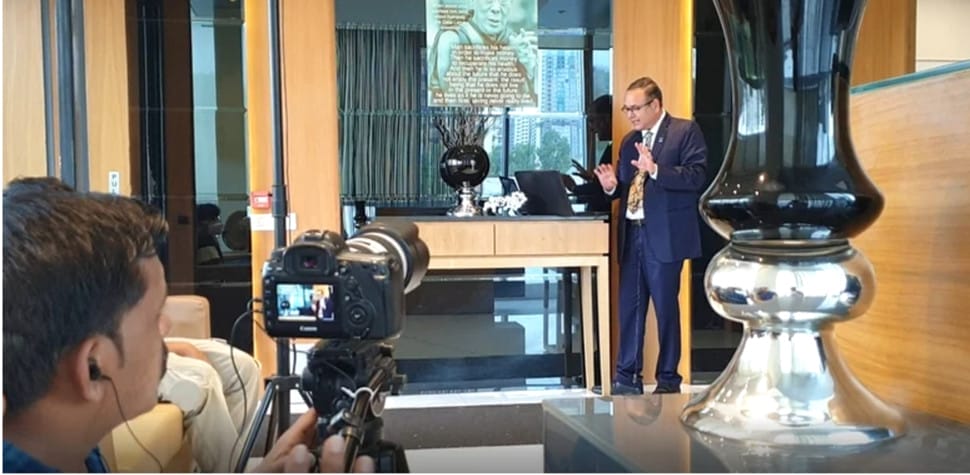
A professional interview should make the speaker comfortable enough to answer naturally.
Brands can use established customer testimonial filming techniques to prepare the interview without making it sound rehearsed.
How to Make a Testimonial Suitable for LinkedIn
The editing style should support professional viewing habits.
Start with the customer’s strongest relevant statement. An extended introduction to the speaker’s company can follow once the topic is clear.
Include accurate captions. Viewers should understand the message even without audio.
Identify the speaker properly. Their name, role and company should be presented with appropriate approval.
Use supporting footage selectively. Relevant workplace, product or team footage can make the story easier to follow.
Avoid excessive branding. Long animated logo sequences may delay the part viewers came to see.
The production team should also consider how the video will be displayed on mobile devices.
For businesses comparing providers, Redragaa’s testimonial video production services illustrate the types of customer-story formats available.
One Interview Can Support Several Marketing Channels
A single well-planned customer interview can provide material for different business purposes.
The main 90-second edit might be used on LinkedIn, while a shorter version can support a paid campaign.
A more detailed version can appear on a service page or in a sales presentation.
Individual approved statements can also be used as shorter clips where the context remains accurate.
For Indian businesses developing a broader video strategy, testimonial video production in Mumbai can be considered alongside other customer communication requirements.
A customer story may also be useful at different stages of the B2B buyer journey.
How to Evaluate Testimonial Performance
View counts alone provide an incomplete picture.
Marketing teams should consider:
- Whether the intended audience is watching.
- How much of the video viewers complete.
- Whether viewers visit the relevant company or service page.
- Whether the video supports meaningful conversations with prospective buyers.
For B2B sales teams, a testimonial used in proposals or follow-up communication may provide value even without generating substantial public engagement.
This is why production decisions should reflect the intended business use.
Creating a Credible Customer Story With Redragaa
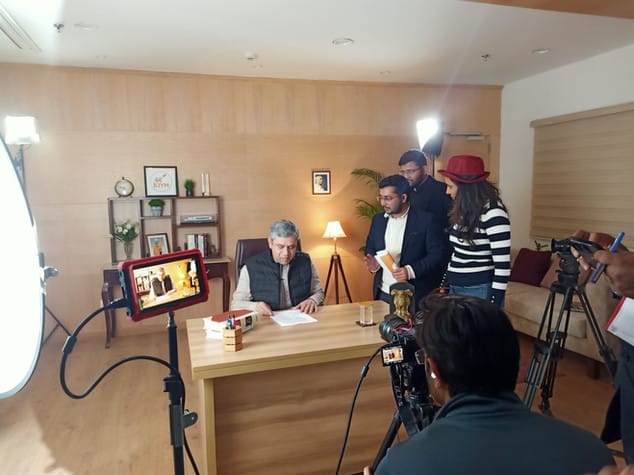
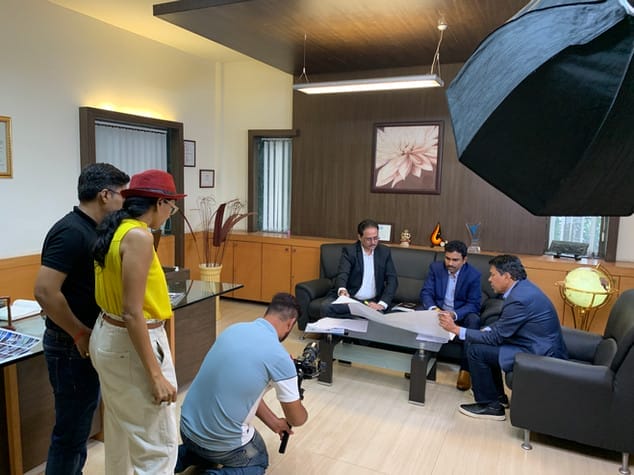
Redragaa works with businesses to plan, film and edit customer testimonials that communicate real experiences.
The production approach considers interview questions, speaker comfort, visual presentation and the final viewing platform.
For brands planning customer interviews, understanding the video production timeline can also help coordinate customer availability, filming and approvals.
Final Thoughts
A 60–120-second testimonial is a useful starting point for LinkedIn because it offers space for a customer to explain a meaningful business experience without turning the video into a lengthy case study.
But credibility depends on the quality of the story, not the duration alone.
If your business has customers with experiences worth sharing, explore Redragaa’s video production approach and plan a testimonial that gives prospective buyers useful reasons to trust your work.