The customer comes on screen and says the correct words. Service was great. The team was very professional. It was an amazing experience! But something about this video is more promotional than an actual customer story.
The difference is quite noticeable to viewers.
The question is never, “What is the customer saying? It’s whether those words refer to a true experience. That’s where high-quality Testimonial Video Production Services come in. The production process should preserve the qualities that make viewers feel they are hearing from a real customer rather than watching a performance.
But in terms of authenticity, it does not mean to place someone in front of a camera without any preparation. The best testimonial videos fall between the extremes of scripted and unstructured conversation.
Authenticity Starts Before the Camera Turns On
A believable testimonial is often shaped long before recording begins.
The first decision is choosing the right customer. The most useful participant is not necessarily the person willing to give the biggest compliment. It is someone who has a meaningful experience to describe and can explain it in a way another prospective customer can understand.
Before filming, the production team can explore:
- What problem or need originally brought the customer to the business?
- What concerns did they have before making a decision?
- Which parts of the experience mattered most?
- Was there a particular moment that changed their perception?
- What can they genuinely say about the outcome?
This preparation gives the interview direction without deciding exactly what the customer must say.
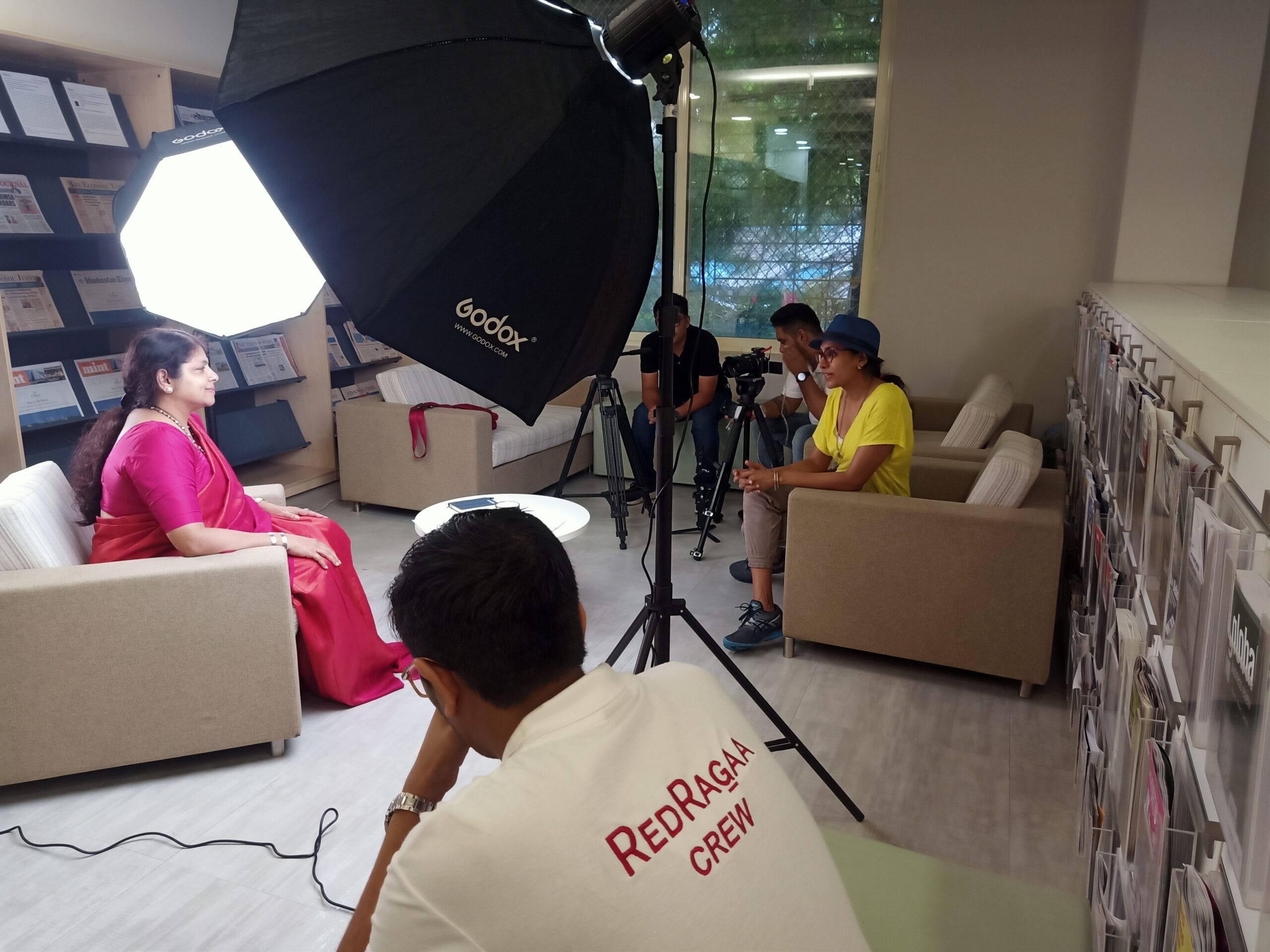
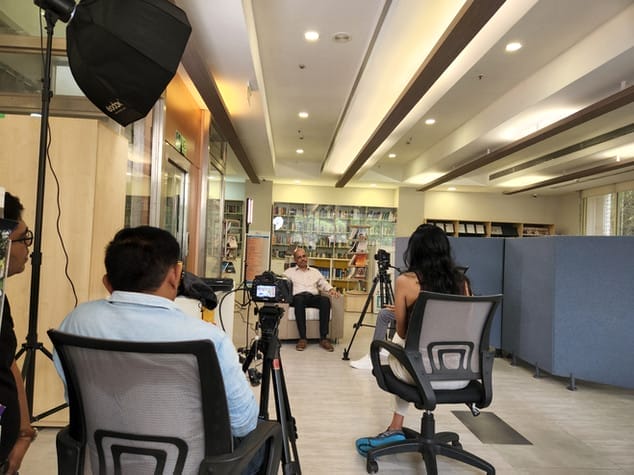
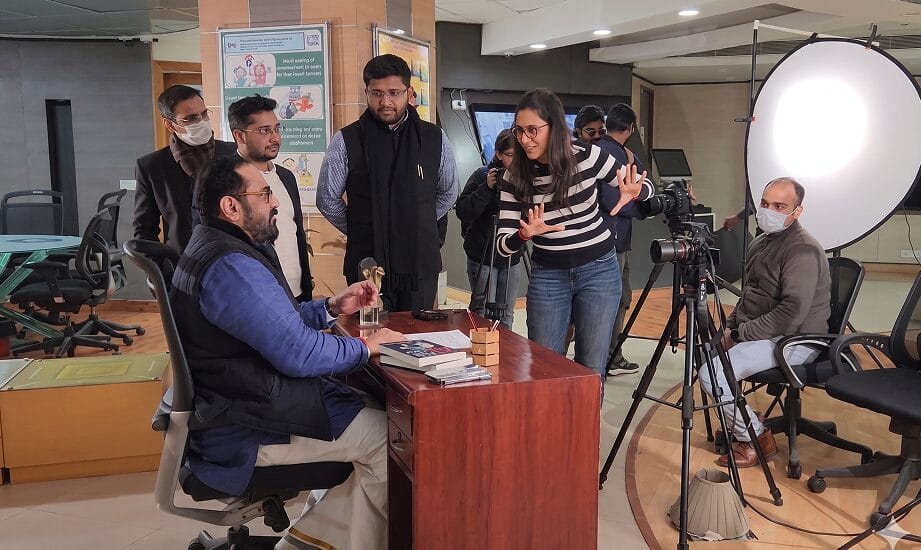
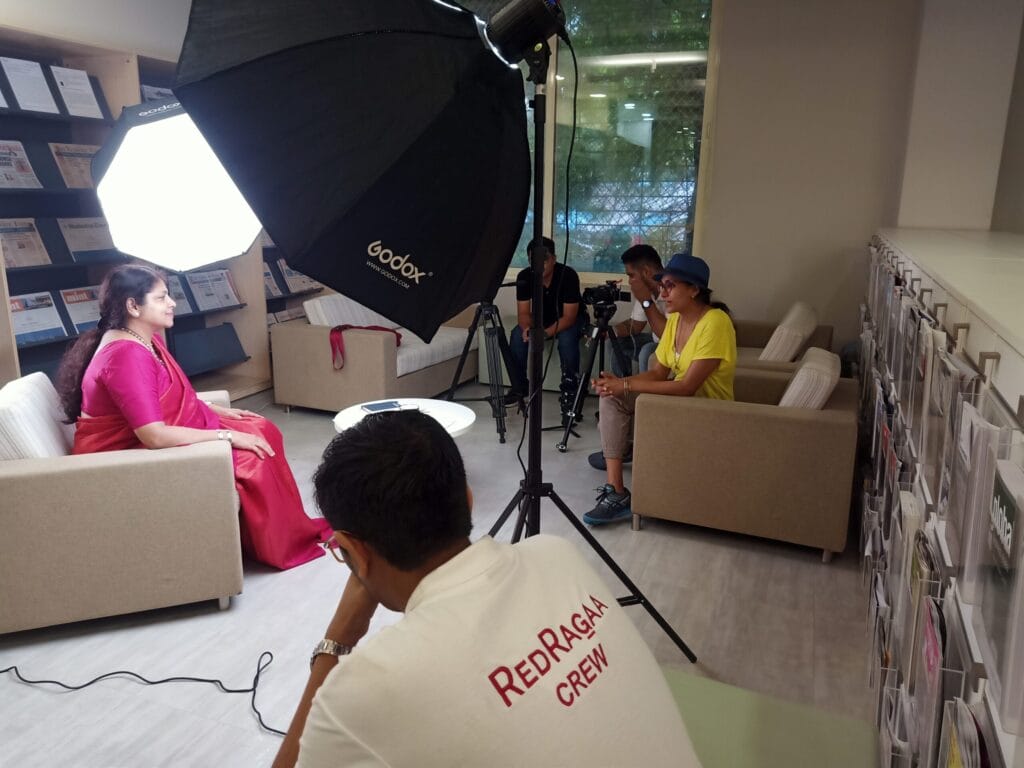
Creating a comfortable filming environment matters as well. Someone who feels pressured to deliver the “perfect” answer is more likely to become stiff or overly conscious of the camera. A conversational interview can help the person concentrate on remembering the experience rather than performing for an audience.
Specific Stories Sound More Believable Than Generic Praise
Compare two types of testimonials.
Generic:
“Working with the company was amazing. The team provided excellent service.”
There is nothing necessarily wrong with the statement. The problem is that almost any company could place it in an advertisement.
Now imagine the customer instead explaining:
- the challenge they were dealing with
- why they started searching for a solution
- what initially concerned them
- what happened during the experience
- what specifically stood out afterwards
The second approach gives viewers something they can evaluate.
Specificity creates credibility because real experiences tend to contain details. Instead of asking audiences to accept an adjective such as “excellent”, the testimonial gives them context for understanding why the customer formed that opinion.
That distinction can turn praise into proof.
Let the Customer Sound Like a Customer
Businesses understandably want control over how their brand is represented. But excessive control can undermine the very reason for creating a testimonial.
Writing every sentence for the participant may produce a cleaner message, but it can also introduce corporate vocabulary, unnaturally perfect phrasing and claims that do not sound like the person’s normal speech.
Preparation and scripting are not the same thing.
Good preparation can establish the themes that need to be explored, organize interview questions and identify relevant experiences beforehand. The customer can then respond using their own language.
Occasional pauses, informal phrasing and individual speaking styles are not necessarily imperfections that need to disappear. They can be part of what makes the person feel credible.
The Authenticity Spectrum
Testimonial production does not have to choose between a polished advertisement and an uncontrolled interview. There is a useful middle ground.
| Feels Overproduced | Balanced | Feels Unprepared |
| Scripted praise | Guided conversation | No narrative direction |
| Corporate language | Customer’s own words | Rambling answers |
| Perfect claims | Specific experience | Missing context |
| Sales-heavy messaging | Evidence-led story | No clear takeaway |
The middle column is usually where professional structure and human credibility can coexist.
This is an important principle for Testimonial Video Production Services. Production should provide enough direction for the viewer to understand the story without controlling the customer so heavily that the experience stops sounding personal.
Ask Questions That Produce Stories, Not Compliments
The questions asked during an interview have a major influence on the answers that follow.
“Did you enjoy working with us?” encourages a short positive response.
“Can you describe what was happening before you contacted us?” opens the door to a story.
Useful testimonial interview questions can include:
- What challenge were you facing at the time?
- Why did you start looking for a solution?
- What mattered most when you were deciding whom to work with?
- What changed after using the product or service?
- Was there anything about the experience that surprised you?
- What would you tell someone considering the same solution?
Follow-up questions can be equally valuable. If someone mentions that the process was “easy”, asking what specifically made it easier can uncover the detail behind the statement.
The objective is not to extract bigger compliments. It is to help the customer explain what actually happened.
Visual Context Can Make the Story More Credible
Authenticity is communicated visually as well as verbally.
Imagine a manufacturing client describing how a solution fits into daily operations. Keeping the entire video on a talking head means viewers hear the explanation but never see the environment being discussed.
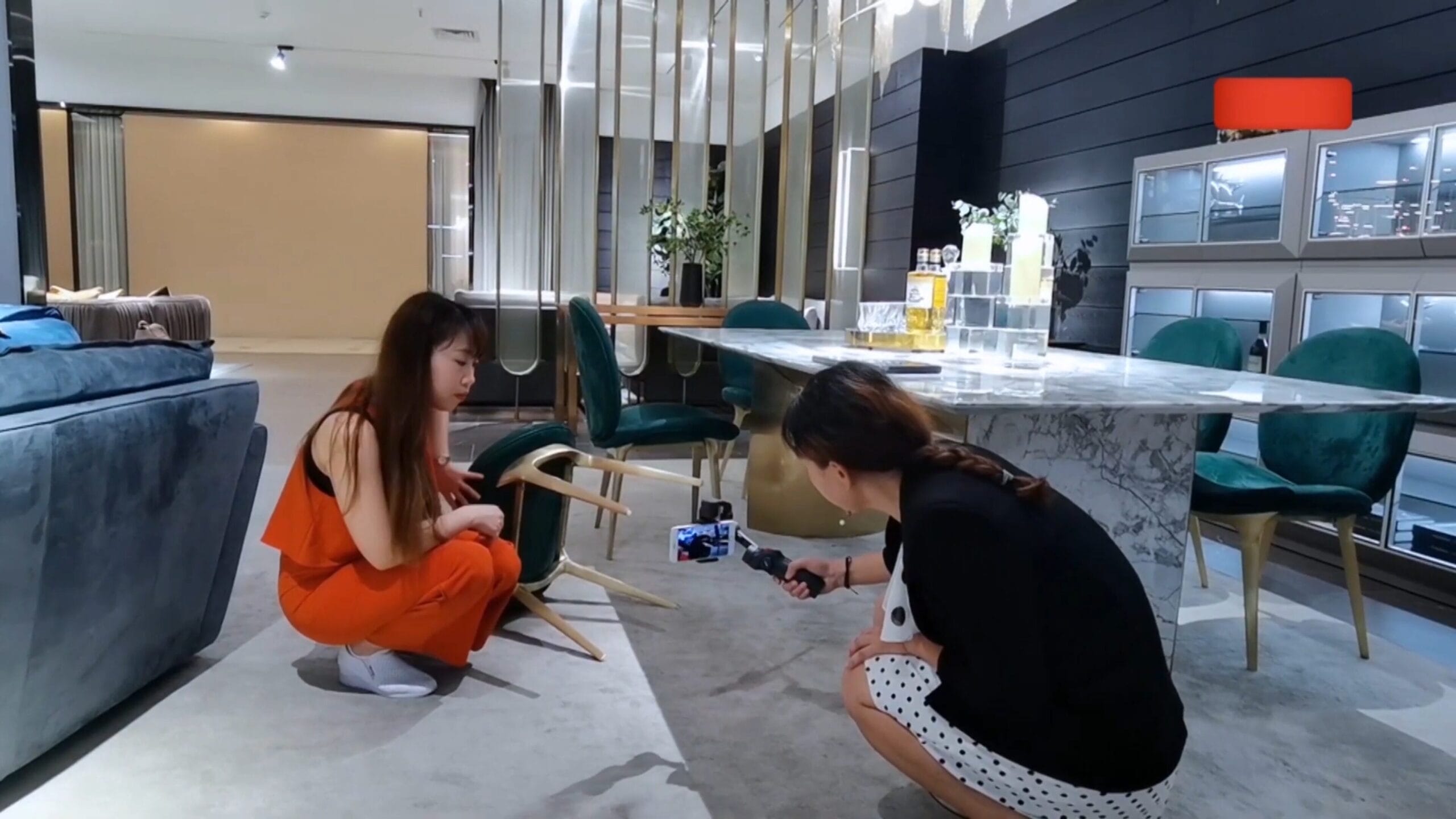
Supporting footage could instead show the customer in their workplace, relevant equipment, employees carrying out normal activities or the product being used in context.
Depending on the story, useful visuals may include:
- the customer’s office or facility
- their team at work
- the product being used
- relevant processes or operations
- interactions connected to the experience
The visuals should support what the customer is actually saying rather than attempt to prove outcomes that cannot be demonstrated.
This is where planning becomes particularly important in Client Testimonial Video Production in India. Interview topics and supporting footage can be considered together so that the finished film has visual evidence and context without turning genuine customer experiences into staged claims.
Editing Should Clarify the Story, Not Manufacture It
Raw interviews rarely arrive in the perfect order.
A customer might explain the outcome first, return to the original problem later and repeat an important point several times. Editing helps transform that conversation into something viewers can follow.
Responsible editing can:
- remove unnecessary repetition
- shorten long pauses
- organize related thoughts
- improve pacing
- remove irrelevant sections
- connect interview segments with appropriate supporting footage
But there is an important boundary.
Editing should not combine fragments in a way that changes what the customer meant. Nor should context be removed merely because doing so makes a statement sound more dramatic.
The goal is clarification rather than fabrication.
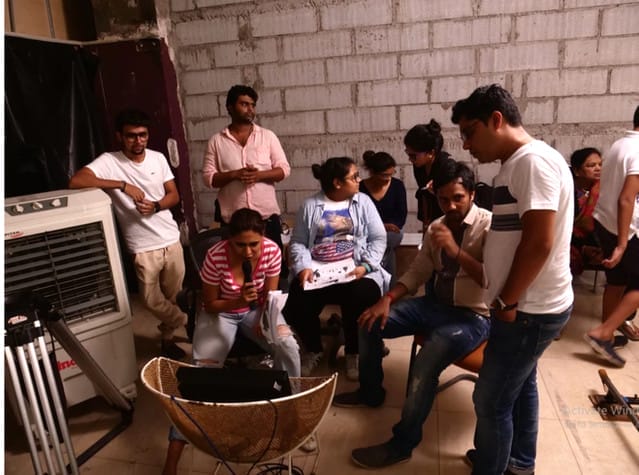
A strong edit allows the viewer to hear the customer’s personality while making the underlying story easier to understand. These choices are part of the wider video production process, where planning, filming and editing all need to serve the communication objective.
Professional Doesn’t Have to Mean Artificial
There is sometimes an assumption that authenticity requires a deliberately rough or amateur-looking video.
It doesn’t.
Good lighting allows viewers to see the speaker clearly. Clean audio prevents environmental noise from competing with the interview. Thoughtful framing creates visual focus. Professional colour, graphics and editing make the video easier to watch.
None of those things require changing the customer’s story.
In fact, poor production can become a distraction. If viewers struggle to hear the speaker or understand what is happening, the authenticity of the interview becomes less relevant because the message itself is harder to absorb.
Professionalism should therefore support credibility rather than replace it.
The Best Testimonial Leaves the Selling to the Customer
A company can explain its own strengths in an advertisement, website or sales presentation. A testimonial serves a different role because the experience is described by someone who has been on the customer side of the decision.
That difference is what gives the format its value.
The strongest testimonial videos do not need every sentence to praise the company. They give viewers enough context to understand the customer’s initial problem, decision, experience and perspective afterwards. This can be particularly powerful when video is aligned with the viewer’s stage in the B2B buyer journey.
The audience can then decide what that experience means for them.
At RedRagaa, we approach testimonial filmmaking with that balance in mind. Our focus is on giving customer stories enough structure to communicate clearly while retaining the language, personality and experiences that make each person sound like themselves.
When viewers stop feeling that they are being sold to and start listening to another customer’s experience, the testimonial has a much stronger foundation for trust.
Frequently Asked Questions
1. What makes a customer testimonial video believable?
Specific experiences, natural language and appropriate context generally make testimonials more credible. A customer explaining what happened and why it mattered is often more convincing than broad praise without supporting detail.
2. Should testimonial videos be scripted?
Not necessarily. Businesses can prepare interview themes and questions without scripting every response. Guided conversations often allow customers to communicate key experiences while retaining their own vocabulary and personality.
3. What questions should be asked in a testimonial interview?
Questions should encourage the customer to describe their original challenge, decision-making process, experience, changes they noticed and advice for someone considering a similar solution. Open-ended questions usually generate more useful stories than simple yes-or-no questions.
4. How long should a client testimonial video be?
There is no universal ideal length. It depends on the complexity of the story, the intended audience and where the video will be used. A concise social-media testimonial may be much shorter than a detailed B2B customer success story.
5. Where can companies use testimonial videos?
Businesses can use them on websites, landing pages, sales presentations, social platforms, email campaigns, trade-show displays and other marketing or sales materials where customer proof can support decision-making.
6. What should businesses look for in testimonial video production services?
Look beyond camera equipment and visual quality. Strong Testimonial Video Production Services should understand interview planning, customer comfort, story development, supporting footage and ethical editing so the finished video remains credible while communicating a clear message.