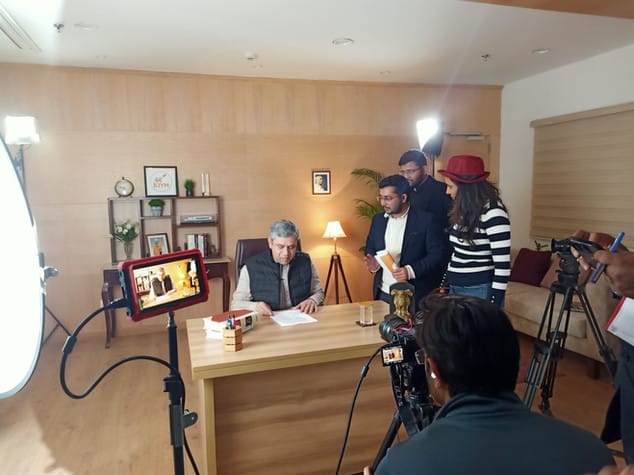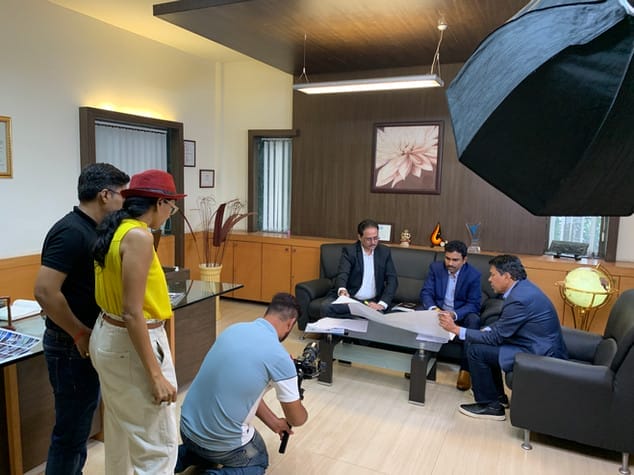
Your digital campaign may have the right audience, a competitive media budget and a strong product offer. Yet if people scroll past your ad before understanding what it is about, much of that investment can go to waste.
On Instagram, YouTube and other digital platforms, viewers make quick decisions about what deserves their attention. The opening three seconds are an important opportunity to make your message relevant before someone moves on.
For businesses investing in digital advertising, this makes the opening sequence a creative and commercial decision. An experienced ad film production company in India should consider how an ad will perform in its intended viewing environment, not simply how impressive the finished film looks.
Why the Opening Seconds Matter to Campaign Performance
A digital advertisement competes with content that viewers have actively chosen to watch. Unlike television, where audiences may sit through an entire commercial break, digital advertising frequently appears within a continuous stream of videos.
When an ad begins with a slow logo animation, an unrelated visual or a lengthy introduction, viewers may leave before discovering the product or offer.
This creates a problem for marketers. Even if the remainder of the film contains an excellent product demonstration or persuasive message, it cannot influence people who never reach that point.
The goal of the opening is therefore not simply to attract attention. It is to attract the attention of people who are likely to be interested in what the business offers.
For brands developing digital campaigns, professional ad film production should begin with a clear understanding of the audience, advertising placement and intended action.
What Should Happen in the First Three Seconds?
1. Show Something Your Audience Immediately Recognises
A relevant situation can establish context faster than an elaborate introduction.
For example, a skincare advertisement might open with someone struggling to apply sunscreen over makeup. A kitchen appliance advertisement could begin with a familiar cooking inconvenience.
Both approaches help viewers understand the situation before the product is introduced.
The opening works because it connects the advertisement to an existing need rather than asking the viewer to interpret an unrelated visual.
2. Introduce the Product or Problem Early
Some advertisements spend several seconds creating curiosity without revealing what is being promoted.
That approach may work for established brands with considerable recognition, but it can be risky for lesser-known businesses running performance campaigns.
A product demonstration, recognisable packaging or direct statement of the customer’s problem can establish relevance much earlier.
This is especially important when creating product-focused advertising videos for online shoppers who need to understand the product’s practical benefit.
3. Use Movement and Sound With a Purpose
Movement can draw the eye, but unnecessary motion may distract from the message.
A sudden change in perspective, an unusual product demonstration or a clear visual contrast can work when it supports the concept.
Sound should also be considered carefully. Many people encounter social media advertisements with their audio muted, so the opening must remain understandable through visuals, captions or on-screen messaging.
A Strong Hook Still Needs a Strong Advertisement
Getting viewers to stop scrolling is only the beginning.
An effective digital ad must continue building interest by explaining what the product does, why it matters and what the viewer should do next.
Consider an advertisement for a premium office chair.
The opening could show a person repeatedly adjusting their seating position during a workday. The following sequence introduces the chair’s adjustable support, demonstrates its features and ends with a clear purchasing action.
The hook identifies the problem, while the rest of the film provides a reason to consider the solution.
When developing broader business video campaigns, marketers should ensure that the opening, message and call to action work together.
How to Test Whether Your Opening Is Effective
Instead of deciding which opening looks best during production, marketers can compare different versions using campaign data.
For example, the same advertisement could be tested with three opening approaches:
- A customer problem presented immediately.
- The product shown in use.
- A direct statement of the product’s main benefit.
The remaining advertisement should stay as consistent as possible so that the opening is the principal creative difference.
Review early-view retention, completed views and click-through rates. Where sufficient conversion data is available, evaluate cost per acquisition and revenue or leads generated.
A higher view-through rate does not automatically mean a better return on advertising spend. An opening that attracts curious but irrelevant viewers may produce attention without valuable business outcomes.
For marketers assessing video effectiveness, it helps to look beyond views and towards campaign KPIs.
Why Production Planning Matters Before the Shoot
A strong opening is rarely created by chance.
It requires decisions about scripting, camera angles, product visibility, casting, lighting and editing before filming begins.
An advertisement designed for a vertical Instagram placement may need different framing from one intended for YouTube or a website landing page.
Businesses should also decide whether multiple hooks, aspect ratios and shorter edits are needed before production starts. Planning these variations during the shoot is often more practical than attempting to create them entirely from existing footage.
Understanding how video production is planned and executed can help marketing teams prepare a clearer creative brief.
How Redragaa Approaches Digital Ad Films
At Redragaa, digital ad film planning starts with the business objective, intended audience and central message.
The creative approach can then be developed around what viewers need to notice, understand and remember.
As a video production agency, Redragaa works across concept development, scripting, filming and post-production, allowing campaign requirements to influence production decisions from the beginning.
For brands advertising across different Indian markets, the same core concept may also require changes in language, format or visual context.
Final Thoughts
The first three seconds of a digital advertisement can determine whether viewers give the message an opportunity to work.
But attention alone is not the goal. The opening must lead to an advertisement that explains the offer, demonstrates its relevance and encourages the intended action.
If your next campaign needs a clearer creative direction, discuss your advertising film brief with Redragaa before production begins.