A corporate video for steel company audiences cannot follow the same playbook that works for consumer brands. Steel is bought on capability, trusted on consistency, and invested in on financial strength. A procurement head, a distributor and a shareholder each watch your film looking for something entirely different, and a single generic cut rarely satisfies all three. This article breaks down what each audience actually wants to see, which visuals answer their unspoken questions, and how smart steel manufacturers structure one shot into multiple purpose-built films that convert on every front.
Why Steel Cannot Be Filmed Like a Consumer Brand
Consumer storytelling thrives on emotion. Steel buying runs on evidence. When a plant manager evaluates a supplier, he is silently asking: can this mill hold tolerance across a 40-tonne batch? Will the delivery schedule survive monsoon disruptions? Who signs off on quality?
That means spectacle alone falls flat. Slow-motion sparks and dramatic furnace pours look impressive, but they answer none of these questions. A serious steel company video has to work more like a documented facility audit than an advertisement, while still retaining the polish that reflects well on the brand.
It is a balancing act, and most manufacturers get it wrong in one of two directions. Either the film is dry and forgettable, essentially a slideshow of machinery, or it is cinematic but hollow, full of mood and empty of proof. The films that actually move deals do both: visually strong, evidentially dense.
Three Audiences, Three Sets of Questions
The core mistake we see in industrial video planning is treating “the audience” as one bloc. In steel, it never is.
What B2B Buyers Need to See
Procurement teams and technical directors evaluate risk. Their concerns are operational, and your visuals must address them directly:
- Process transparency: unbroken sequences from raw material intake to finished coil, showing real workflow rather than staged shots
- Quality infrastructure: spectrometers, ultrasonic testing labs, calibration certificates in frame, QC personnel at work
- Scale and reliability: stockyard volumes, dispatch bays in active operation, loading being done, not staged after the fact
- People who can answer: faces of plant heads and QA leads, because buyers want to know who they will actually deal with
A buyer watching a steel manufacturing video is essentially pre-screening an audit. Give them the audit.
What Distributors Look For
Distributors think commercially. They care about whether your product will move in their market and whether your supply chain can back their commitments. Their version of the film should emphasise:
- Consistent output volumes across months, not just a single impressive day
- Packaging, marking and dispatch standards that protect the brand downstream
- Existing channel partnerships, dealer networks, and regional warehousing
- Marketing support: how your brand assets help them sell
Notice how little this overlaps with the buyer’s list. A distributor barely cares about spectroscopy labs; a buyer barely cares about your dealer training programme. Same factory, different film.
What Investors and Board Stakeholders Notice First
Investors watch a corporate video for steel company leadership with a capital allocation lens. They look for signals of governance and forward movement:
- Capacity expansion milestones, capex already visible on the ground
- Compliance credentials: ISO certifications, environmental clearances, safety records
- Leadership credibility: composed, articulate executives on camera
- Positioning within sector tailors such as infrastructure demand, export opportunity, or import substitution
Numbers on a slide feel brittle on video. Footage of an actually commissioned second furnace line says more than any projection slide can.
Visual Language That Changes With Each Cut
The same footage pool supports all three audiences, but the emphasis shifts dramatically. Here is how the visual treatment diverges:
| Element | Buyer Cut | Distributor Cut | Investor Cut |
| Hero footage | Molten pour, rolling mills | Dispatch, logistics | Expansion sites, skyline of plant |
| Dominant audio | Technical narration | Commercial tone | Leadership voices |
| Graphics | Specs, tolerances, grades | Volumes, territories | Growth metrics, timelines |
| On-camera presence | QA and plant engineers | Channel managers | MD, CFO |
| Runtime | 6 to 8 minutes | 3 to 4 minutes | 4 to 5 minutes |
Notice the runtime column. Buyers will sit through depth. Distributors and investors will not. A film that tries to serve everyone ends up too long for two audiences and too shallow for one.
One Shoot, Multiple Films: The Modular Way to Plan It
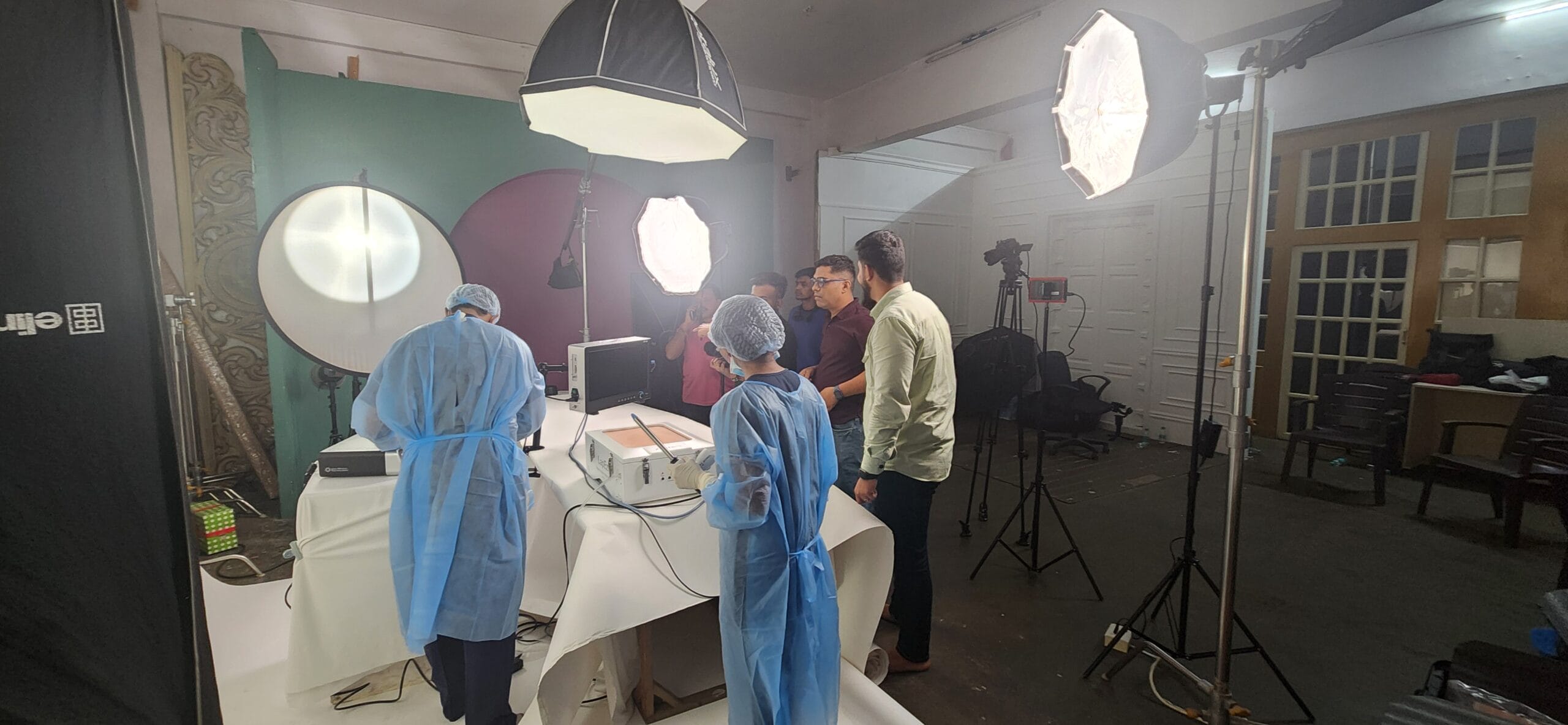
Here is the practical good news: you do not need three productions. You need one intelligently planned shoot with a modular edit structure.
During pre-production, map every required shot against all three audience checklists. A single day at the melting shop might capture:
- A cinematic sequence of tapping for the investor film’s opening
- A continuous process walkthrough for the buyer film
- B-roll of billet stacking and labelling for the distributor film
The script architecture matters more than the shoot itself. Build each film around its own spine, buyer films follow the process flow, distributor films follow the commercial journey, investor films follow the growth story, and pull shared footage in as support. This is how experienced teams deliver an industrial video production package that would cost triple if shot as three separate engagements.
Details That Quietly Build or Destroy Credibility
Small production choices carry disproportionate weight in this industry. A few we insist on:
- Real timestamps and shift activity. Shot lists built around actual production schedules, not rehearsed setups.
- Correct terminology. An engineer watching a film misname a ladle furnace or confuse continuous casting terminology stops trusting everything that follows.
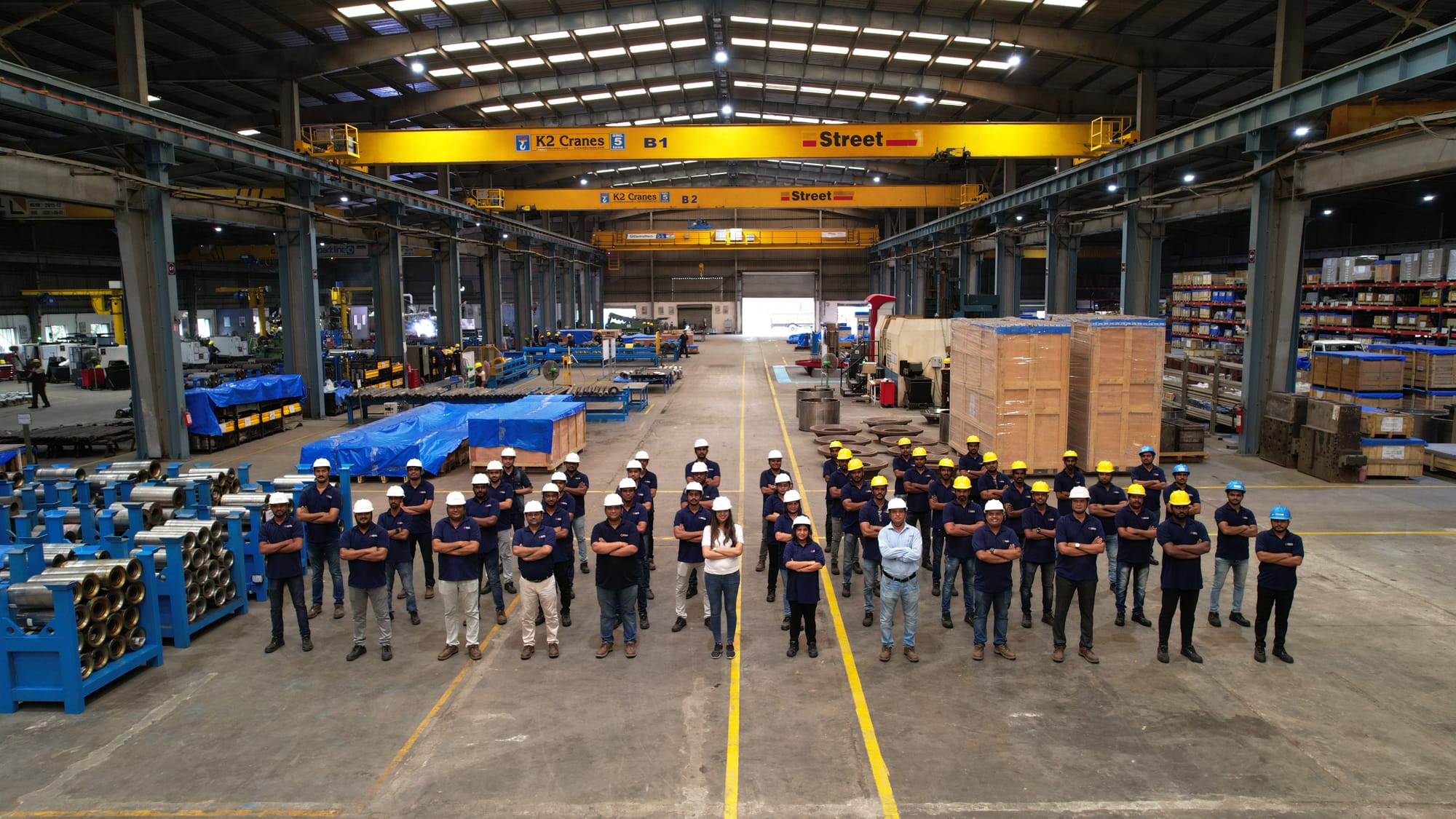
- Safety compliance on camera. Every person in the frame is wearing the correct PPE. Buyers notice; auditors certainly do.
- Honest lighting. Steel plants photograph beautifully without making them look like anything they are not.
And a word on narration. Engineered voiceovers work for the buyer’s cut. But founder-led or leadership-led narration, even imperfectly delivered, tends to outperform for investors because it reads as accountability. People invest in people who front their own operations.
Common Mistakes That Undermine Industrial Films
Before commissioning any industrial video production, worth avoiding these recurring failures:
- Recycling a single master cut for all purposes, then wondering why distributors ignore it
- Letting the agency script without input from plant engineers, producing vague generic claims
- Skipping drone and establishing coverage, which contextualises scale better than any close-up
- Filming during planned maintenance shutdowns, leaving the plant looking dormant
- No versioning strategy, meaning the 8-minute buyer film gets emailed to a 90-second-attention-span investor
Bringing It Together
Different audiences within the steel ecosystem are asking fundamentally different questions, and your visuals should answer them in their own language. Segment-first planning, one disciplined shoot, multiple purpose-cut films: that combination is what separates a corporate video that gets filed away from one that gets forwarded to the board.
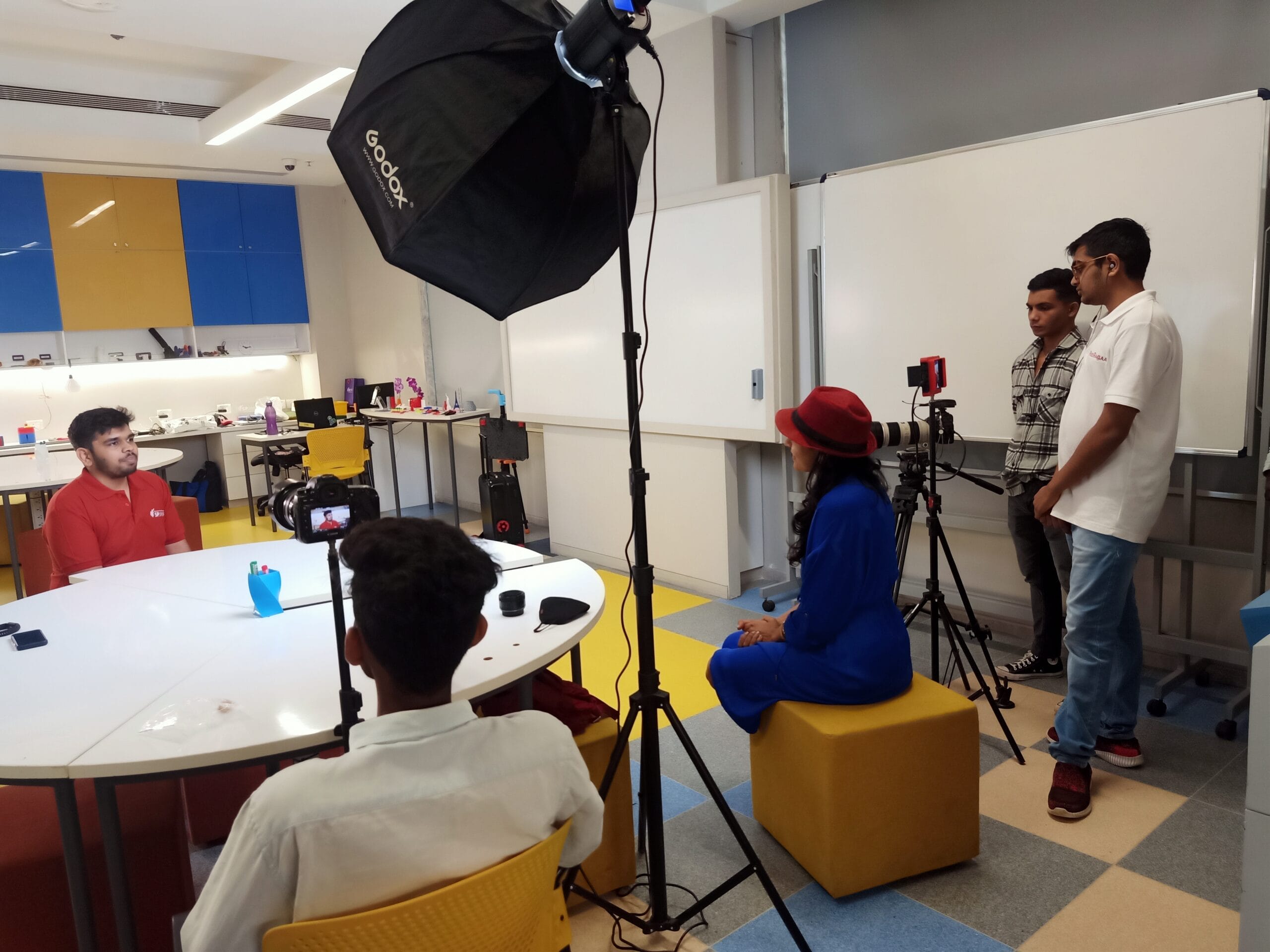
We at RedRagaa have spent years producing corporate films for engineering-heavy and manufacturing-heavy businesses, and steel sits right at the centre of that experience. Our team works with your plant engineers, commercial heads and leadership together, so the buyer cut, the distributor cut and the investor cut each say exactly what their audience needs to hear. If you are planning a corporate video for steel company stakeholders, talk to us at RedRagaa before you lock your shoot plan. The right structure decided early is what turns filming days into films that genuinely perform.
Frequently Asked Questions
1. How long should a corporate video for a steel manufacturer be?
Buyer-focused films run 6 to 8 minutes, distributor and investor cuts work best at 3 to 5 minutes. Version length should always follow the audience, not habit.
2. Can one shoot produce videos for all three audiences?
Yes. A modular shoot plan captures shared footage once and structures three separate edits around each audience’s priorities.
3. What permissions are needed to film inside a steel plant?
Plant access approvals, safety inductions for the crew, and hot-work area clearances. A professional team handles this during pre-production.
4. Should workers and engineers appear on camera?
Absolutely. QA leads and engineers on screen build technical trust with buyers far better than voiceover alone.
5. How often should a steel company refresh its corporate video?
Every 2 to 3 years, or sooner after major capacity expansion, new certification, or rebranding.
6. Is drone footage necessary for a steel plant video?
Strongly recommended. Aerial establishing shots communicate plant scale and layout in seconds, which ground-level footage cannot match.
7. What does corporate video production for a steel plant cost in India?
Costs vary with shoot days, animation requirements and the number of versions. Most manufacturers budget for one shoot with multiple deliverable cuts.