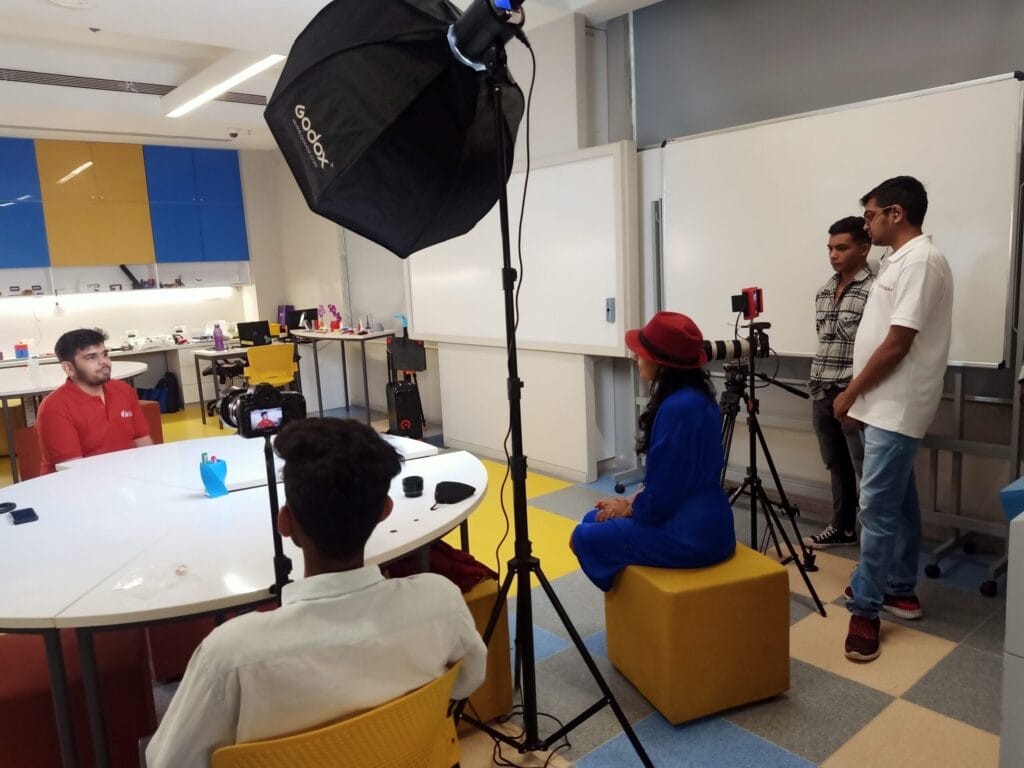
A brand film production company in Mumbai is often hired for a specific reason: the city’s older enterprises carry decades of earned credibility, yet their public image has not kept pace with how the business actually operates today. The core insight worth starting with is that history and heritage are not the same thing. History is the chronological record of what happened. Heritage is the curated part of that record that aligns with who the company wants to become. Translating legacy into a modern brand identity means mining the past selectively for the elements that strengthen the future, and a brand film is the most powerful vehicle for doing it.
This article walks through how that translation actually works, from strategy and archival research to filming, storytelling structure and versioning.
Why Legacy Companies Struggle to Look Modern
Enterprises with real history keep making the same mistake when they attempt to modernise. They commission sleek promotional content filled with talk of innovation and forward momentum, and in doing so, quietly erase the one asset a younger competitor cannot fake: decades of proof. Customers notice the disconnect. A forty-year-old engineering firm presenting itself like a startup looks less modern and less trustworthy at the same time.
The reverse mistake is equally common. Some companies lean so heavily on nostalgia that the film becomes a highlight reel of old photographs and anniversary trivia, drifting into self-congratulation. Sophisticated audiences, investors, senior hires, B2B buyers, read that as padding rather than credibility.
The effective middle path treats heritage as evidence, not decoration. The best philosophy in heritage branding is deceptively simple: start with the future and work backward. Decide who the brand must be in five years, then find the threads in its past that genuinely support that identity.
Where Does the Raw Material for a Legacy Brand Film Come From?
It comes from four sources, most of which companies never think to collect: people, archives, places and practices.
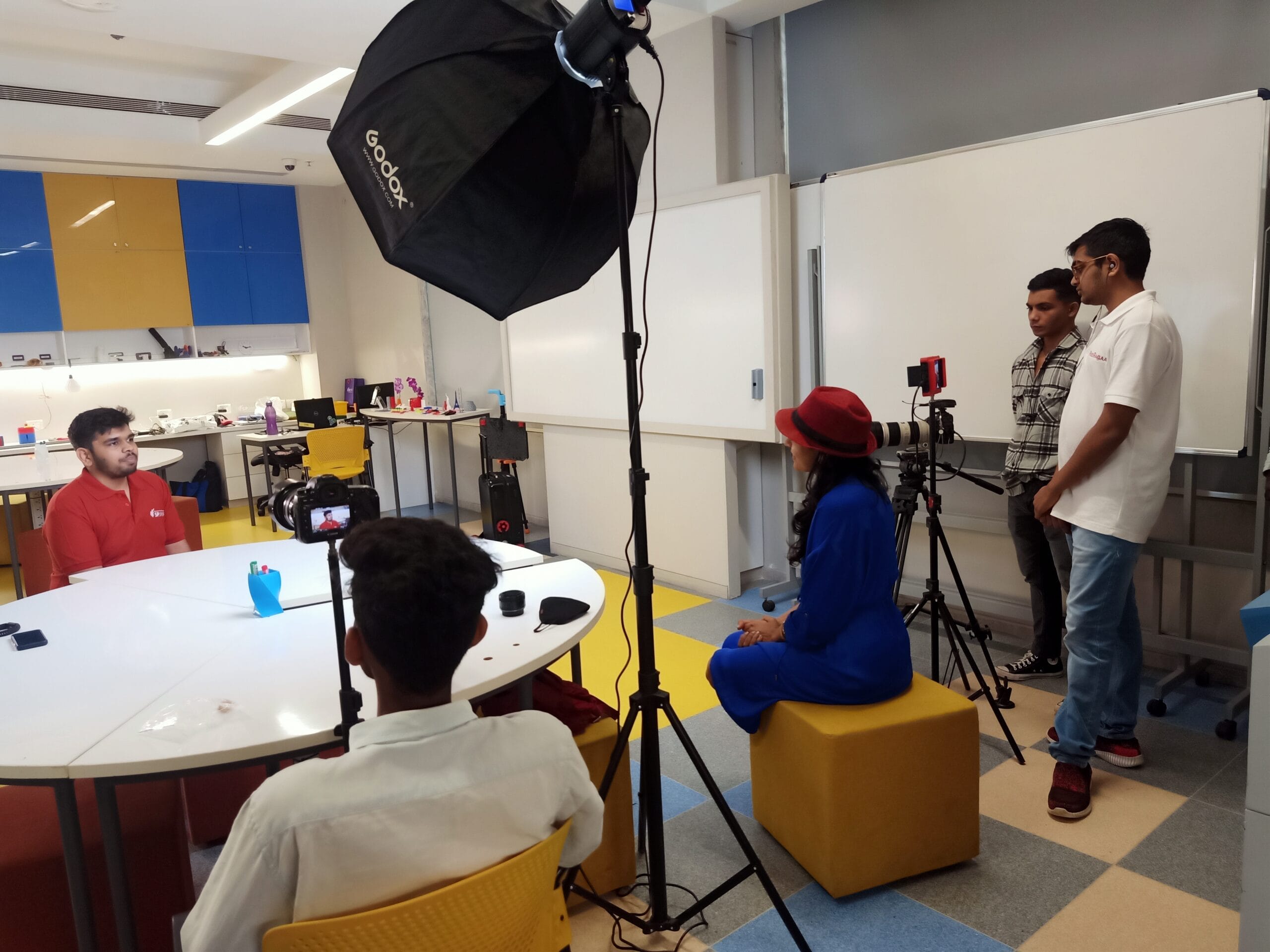
People first, always. Founders, second-generation leaders, retired veterans and long-serving employees carry the company’s memory in a way no document can. A machine operator of twenty-five years explaining why the founding quality standard still governs the line today is more persuasive than any scripted voiceover. Recording these voices is urgent, too. Founders age, memories fade, and the conversations not captured now may never be captured at all.
Archives second. Old photographs, first-invoice ledgers, early newspaper clippings, dated product catalogues, factory inauguration footage. A skilled production team scans, restores and weaves these in, and physical artefacts filmed in macro detail give a film a texture digital assets never provide. Many families and old firms in Mumbai hold boxes of exactly this material without realising its storytelling value.
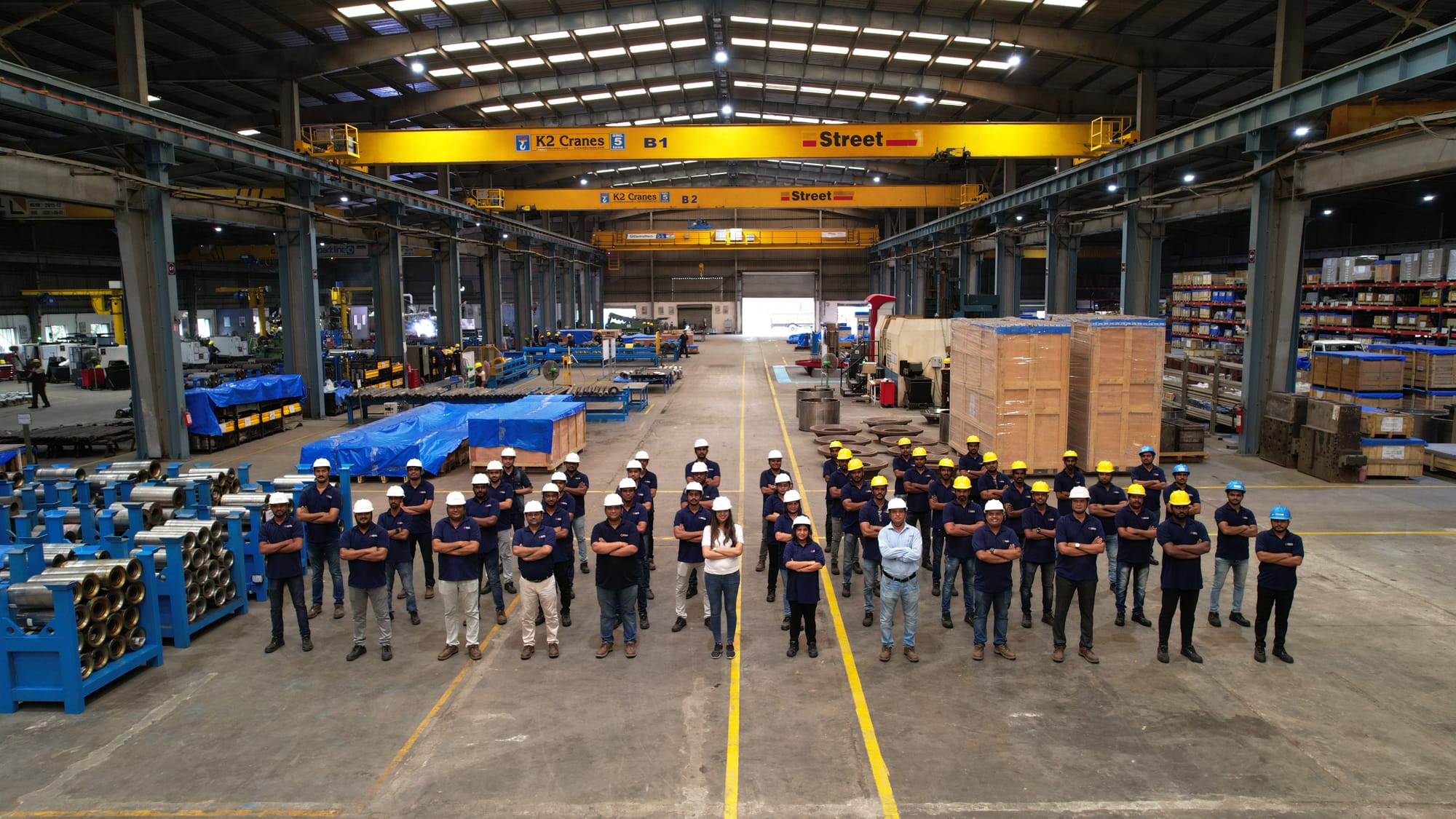
Places and practices third and fourth. The original office, the first machine still running, the founder’s handwriting on an old process sheet, rituals that survived decades. These are heritage made visible, and they require no acting because they already exist.
How Do You Choose What Makes the Cut?
Everything in the film must map to a current brand attribute or a future ambition. Anything that is not, however charming, stays on the cutting room floor.
The selection process works in layers:
- Define the future identity first, with leadership, before any creative work begins: the positioning, the promise, the audiences that matter now
- Mine the history for alignment, identifying moments, values and artefacts that authentically support that identity
- Discard everything else, however beloved internally, because a film cannot be a museum tour and a brand statement simultaneously
One counterintuitive addition strengthens the result enormously: honest acknowledgement of difficult chapters. A heritage film that only shows uninterrupted success reads as corporate vanity. A film that admits a setback, a difficult transition or a decision that nearly broke the company, and then shows what the organisation learned, earns a level of trust that glossy content never reaches. Institutional audiences are sophisticated evaluators, and they notice omissions.
The Story Structure That Bridges Past and Present
Translating legacy into modern identity needs a narrative spine, not a timeline. Three structures perform consistently well:
The Convergence Arc Founding story and modern story told in parallel, intercut until they converge on the present moment. The founder’s original commitment in 1978 sits beside today’s automated line meeting the same commitment. This structure makes the modern identity feel inevitable rather than improvised.
The Inheritance Arc A current leader, often the second generation, narrates what was handed to them and what they chose to change. This structure suits succession moments and works beautifully for family-run enterprises across Mumbai’s trading and manufacturing communities, because it frames modernisation as stewardship, not betrayal.
The Through-Line Arc One core value is traced across decades: the same material, the same craft, the same promise, shown in its original era and its current form. This suits brands whose product has barely changed while everything around it has.
Whatever the structure, the film must answer the question every audience silently asks during a brand evolution: why now? The answer, communicated through tone and pacing rather than explicit statements, determines whether the new identity feels like growth or rupture.
Production Craft: Making Old and New Sit Together on Screen
Here is where a professional brand film production company earns its fee. Mixing archival material with contemporary footage is technically demanding, and amateur attempts jar immediately.
The craft considerations include:
- Grading coherence: restored archival material is colour-treated to sit comfortably beside modern footage without pretending to be modern itself
- Texture pairing: old film grain and paper artefacts are juxtaposed deliberately, macro-shot against smooth contemporary cinematography, so contrast becomes a storytelling device
- Period-accurate recreations kept restrained: hands at work, machine details, silhouettes; never full staged dramas that strain believability
- Interview-driven narration, using real voices rather than actors, because heritage films live or die on authenticity
- Music that evolves: instrumentation shifting from older textures to contemporary arrangements as the story moves forward, mirroring the brand’s journey
One Film, Many Jobs: Versioning the Legacy Asset
A legacy film is not a single-purpose asset. Planned correctly, one production serves several strategic moments:
- The hero brand film (90 seconds to 3 minutes) for the website, investor meetings and brand launch events
- A long-form documentary cut (8 to 15 minutes) for anniversaries, internal onboarding and founder-family archives
- Vertical cutdowns for social media, typically pairing an archival image with a descendant’s reflection on it
- Recruitment-facing cuts that show candidates the stability and story behind the brand
- Preserved raw interviews, an underestimated deliverable, since those conversations become institutional assets for decades
Companies refreshing their visual identity often use the film as the launch centrepiece of a rebrand, precisely because motion and story answer “why now” in a way a logo reveal cannot.
Bringing It Together
A company’s legacy is its most defensible brand asset, but only when it is translated deliberately: future identity first, curated history second, honest storytelling throughout, and production craft that makes decades sit comfortably beside today. Done well, the film does not make an old company look new. It makes an old company finally look like itself, clearly and confidently, to audiences deciding whether to trust it.
We at RedRagaa work with businesses across Mumbai whose stories deserve better than a stock template, from legacy manufacturers to family-run enterprises entering new chapters. As a brand film production company in Mumbai, our team handles the full translation: leadership strategy sessions, archival restoration, veteran interviews, filming and versioning for every audience the story must reach. If your company’s image no longer reflects its substance, talk to us at RedRagaa, and let’s build the film that connects what you were to what you are becoming.
Frequently Asked Questions
1. What is a legacy or heritage brand film?
A film that translates a company’s history into its modern brand identity by curating archival material, founder stories and current operations into one strategic narrative.
2. How is a heritage film different from a corporate video?
A corporate video presents current capabilities, while a heritage film connects the company’s past to its future positioning, using history as evidence of credibility.
3. Can old photographs and home footage really be used in a professional film?
Yes. Professional teams scan, restore and colour-integrate archival material so it sits naturally alongside contemporary cinematography.
4. How long should a legacy brand film be?
Ninety seconds to three minutes for the hero version, with a longer documentary cut of 8 to 15 minutes for anniversaries and internal use.
5. Should a brand film acknowledge difficult periods in company history?
Strategic acknowledgement of real setbacks builds credibility, because sophisticated audiences trust honest narratives far more than uninterrupted success reels.
6. When should a company commission a legacy film?
Ideal moments include anniversaries, generational succession, rebranding, leadership transitions, or when a founder’s story should be recorded while it can still be told firsthand.
7. What does a brand film cost in Mumbai?
Costs depend on interview days, archival restoration work, locations and the number of versions, so most agencies scope the project after understanding the story’s depth.