A jewellery brand film production concept succeeds or fails long before the camera switches on, and it succeeds almost entirely at the concept stage. A new signature collection carries the weight of your brand’s identity, pricing ambition and emotional positioning, so the film must do more than showcase pieces under studio lights. This article walks through the full development process: translating design language into visual language, building a narrative around the collection’s inspiration, planning shoots that flatter metal and gemstone, and structuring the final film so it works across retail, digital and press channels.
Start With the Collection’s Story, Not the Products
The most common mistake jewellers make is brief-ing a film around the products themselves: show the necklace, the ring, the bangles, in that order. A signature collection, however, is not really a product line. It is a statement, and every signature collection begins with an inspiration, whether that is architecture, heritage craft, a celestial motif or a modern reinterpretation of traditional design.
Your film concept should begin by answering one question: what is this collection saying that the previous collection did not? Everything else flows from the answer.
Practically, this means sitting with the design team before any storyboard is drawn. Useful inputs to collect at this stage include:
- The inspiration board or mood references the designers themselves used
- The craftsmanship story: hand-setting, filigree work, bespoke casting, stone sourcing
- Which piece is the hero, and which pieces play supporting roles
- The intended wearer: occasion-led bridal, everyday luxury, investment buyers or gifting
A film built on these foundations feels authored. A film built on a product checklist feels like a catalogue with music.
Translate Design Language Into Visual Language
Every collection has a design vocabulary, and the film’s texture should mirror it. This is where a concept becomes genuinely crafted rather than generic.
Consider how differently the following collections ask to be filmed:
| Collection Character | Visual Language That Fits |
| Heritage and temple jewellery | Warm tungsten tones, slow deliberate camera moves, close textures of aged gold |
| Modern minimal diamond lines | Cool clean light, negative space, precise symmetry, unhurried pacing |
| Statement bridal couture | Rich colour, drama in the reveal, layered styling, fuller frames |
| Contemporary everyday pieces | Natural daylight skin tones, candid motion, lifestyle integration |
The lesson is simple: the cinematography must be a continuation of the design thinking. If the collection whispers, the film should not shout. If the collection celebrates maximalism, restrained minimal filming will undersell it.
Building the Narrative Arc
Strong jewellery films rarely follow a “product montage” structure. They follow an arc, even a subtle one. Three proven structures work well for signature collections:
- The Making-of Arc From raw material to finished masterpiece. This structure suits collections where craftsmanship is the differentiator. Watching a stone being set by hand, in macro detail, creates value perception that no price tag can.
- The Wearer Arc A moment in the wearer’s life where the collection completes the scene: an engagement, a family celebration, a quiet self-purchase that marks a personal milestone. This suits emotional, occasion-led collections.
- The Heritage Arc The brand’s legacy converging with a new chapter, which works especially well when the collection revives or reinterprets an archive-inspired design language.
Whichever arc you choose, the hero piece should arrive at the emotional peak of the film, not at the beginning. Restraint in the first half earns impact in the second.
Filming Jewellery: Where Technical Planning Decides Everything
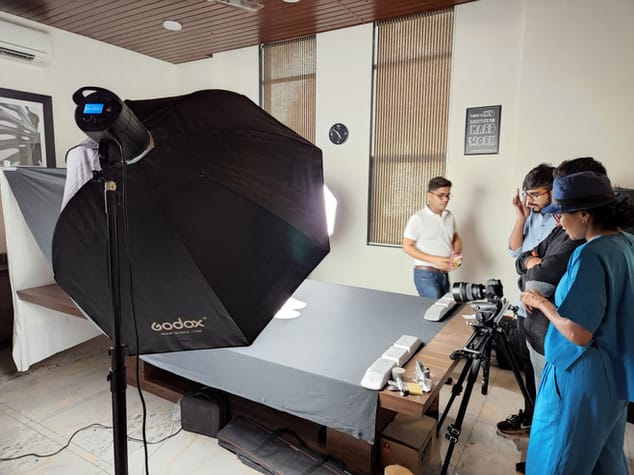
Here is the part most brands underestimate. Jewellery is arguably the hardest product category to film well, because metal and gemstone behave like liquid mirrors. Poor planning shows every fingerprint, every dust particle, every harsh reflection. Excellent planning turns those same surfaces into the film’s greatest asset.
Key production considerations include:
- Macro optics and focus discipline: depth of field collapses at macro distances, so focus pulls must be choreographed precisely, often on motorised sliders
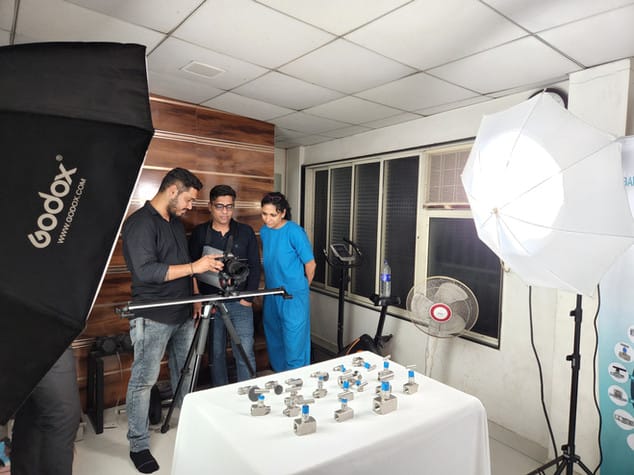
- Controlled reflections: light tents, flags and gel-controlled sources shape how gold and platinum pick up the environment; a sloppy set shows up in every facet
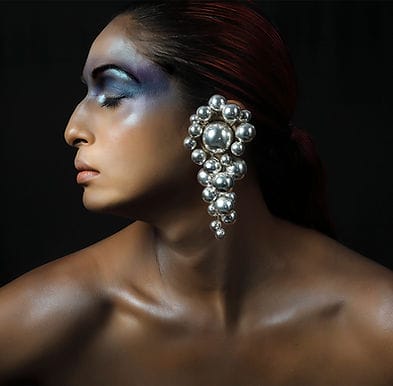
- Gemstone sparkle timing: diamonds need angled, moving light to fire properly; static lighting leaves stones looking flat and glassy
- Motion without shake: turntables, precision slides and focus racks create elegance; handheld movement rarely flatters close-up metalwork
- Colour accuracy: gold shades, rose tones and gem hues must be graded faithfully, because buyers notice when the product in-store looks different from the film
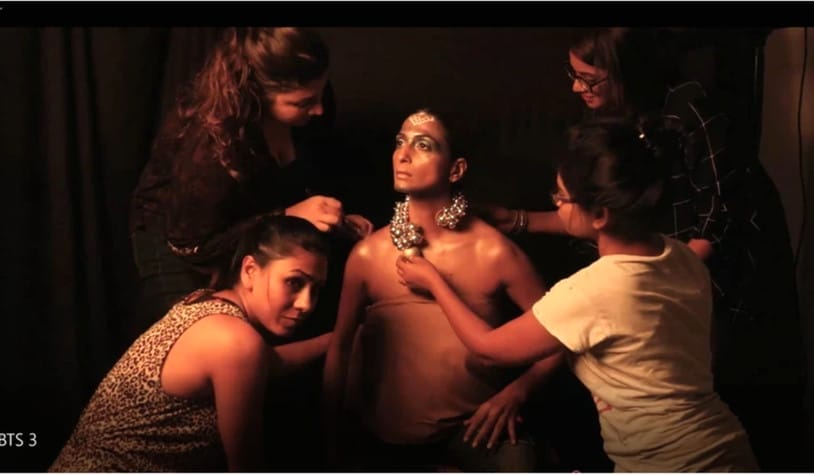
On-camera talent deserves equal care. Skin prep, hand modelling and styling are specialised skills; hands appear far more than faces in jewellery films, and unpolished hands quietly undercut a luxury positioning.
One Collection Film, Many Deliverables
A signature collection launch touches multiple channels, and the master film should be planned as a content system rather than a single asset.
Before production begins, decide on the full deliverable map:
- The hero film (60 to 90 seconds) for the launch event, website and premium placements
- The extended craft cut (2 to 3 minutes) for press kits, trade presentations and in-store screens
- Vertical cutdowns (15 to 30 seconds) for Instagram, YouTube Shorts and WhatsApp broadcast
- Silent, subtitled versions for in-store viewing where audio is off
- Stills and behind-the-scenes assets captured on the same shoot for social media
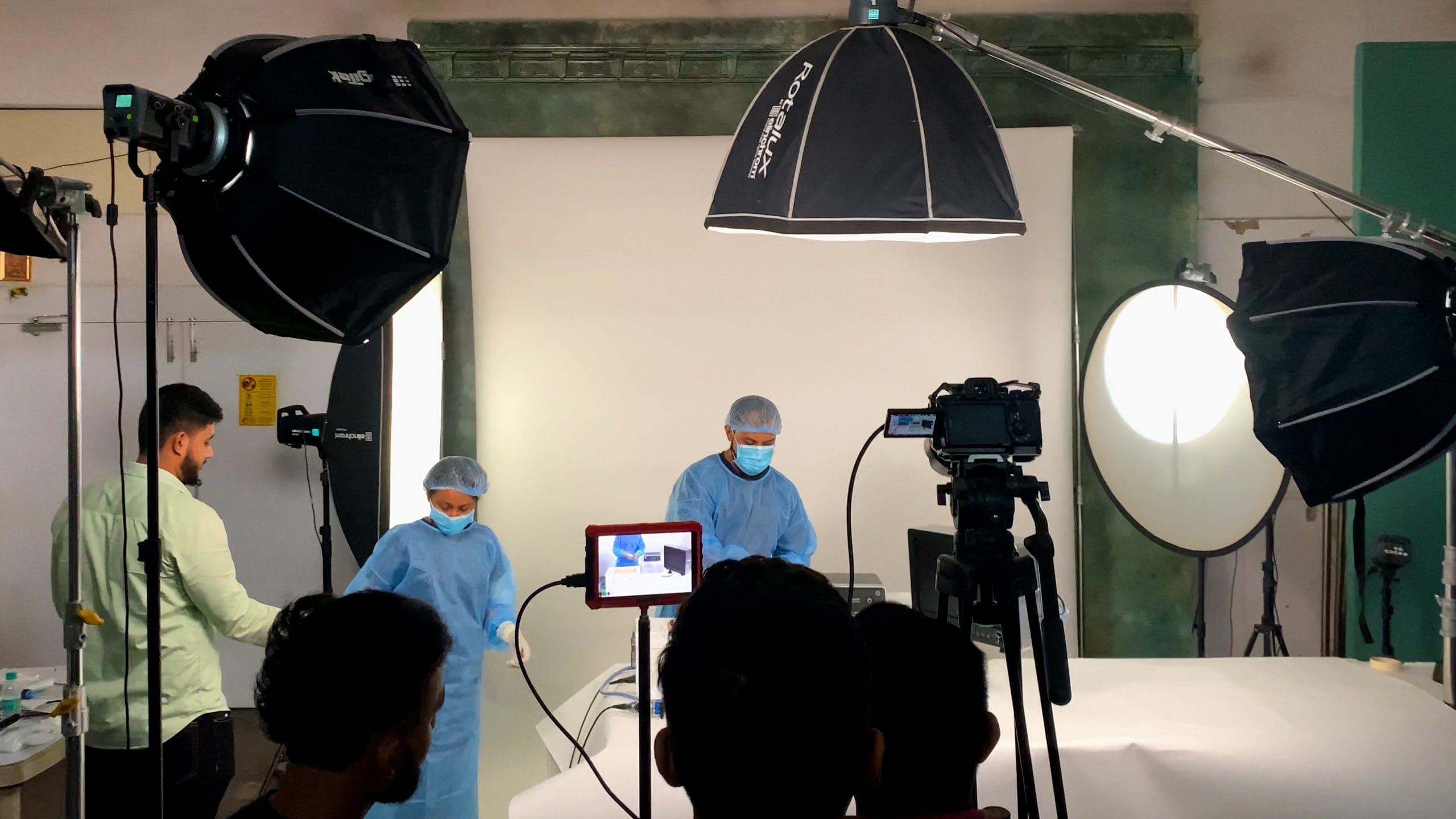
Planning these upfront changes how the shoot itself is staged. Capturing vertical framing, extra beauty B-roll and photography stills on the same production days costs very little; retrofitting them later means reshooting. Any serious luxury brand video production plan treats the shoot as a content factory, not a single-film exercise.
Timing the Release With the Retail Calendar
Concept development should also answer the question of when the film lands. Signature collections typically ride seasonal peaks: the wedding season, festive gifting windows such as Diwali, Valentine’s occasions or international holiday retail.
Work backwards from the launch date. A comfortable production timeline allows two to three weeks for concept and scripting, one to two weeks for pre-production and styling trials, the shoot itself, and two to three weeks for post-production including grading, sound design and versioning. Launching a signature collection film late to its own season is an expensive disappointment that planning easily prevents.
Common Concept Mistakes Worth Avoiding
- Briefing the film around product list shots instead of a narrative idea
- Letting the music genre dictate the mood before the visual concept exists
- Skimping on the macro shoot because “the catalogue photographer already has stills”
- Casting generic models when the collection speaks to a very specific wearer
- Delivering only a master film with no vertical or silent versions, losing the digital majority of the audience
Bringing It Together
A signature collection deserves a film that behaves like part of the collection itself: considered, crafted and unmistakably aligned with the design thinking behind it. Start with the story the collection is telling, translate that into a deliberate visual language, plan the technical filming with the seriousness gemstones demand, and structure the output as a full launch content system.
We at RedRagaa have produced brand films for businesses where perception directly drives purchase, and jewellery is exactly that kind of category. Our team works alongside your designers and marketing heads to build a jewellery brand film production concept that honours the collection’s craft and performs across every channel it touches. If a signature collection is on your launch calendar, talk to us at RedRagaa while the concept is still forming, because the earliest decisions are the ones your audience will feel the most.
Frequently Asked Questions
1. How long should a jewellery brand film be?
A 60 to 90 second hero film works best for launches, supported by shorter 15 to 30 second cutdowns for social media.
2. What budget should a brand budget for a collection film?
Budgets depend on production scale, talent and locations, but jewellery demands specialised macro equipment and lighting, which should never be compromised.
3. Can the film be shot in the brand’s own store or workshop?
Yes, and workshops in particular add powerful craft storytelling, provided lighting and cleanliness can be controlled adequately.
4. Do models appear in jewellery films, or only product shots?
Both work, but the strongest films combine macro product beauty shots with the human element to convey emotion and scale.
5. How early should production start before the collection launch?
Ideally eight to ten weeks before launch, allowing time for concept, pre-production, shooting and polished post-production.
6. Should the film include pricing or purchase information?
Generally no for the hero film; keep it aspirational and let landing pages and retail staff handle commercial details.
7. Which platforms benefit most from a jewellery collection film?
Instagram and YouTube drive discovery, the brand website drives conversion, and in-store screens reinforce the premium experience at the point of sale.