
Business communication has become harder to compress. A website visitor wants to understand a company quickly. A prospect on LinkedIn may encounter the brand for only a few moments. A sales team needs to communicate capabilities without turning every meeting into a lengthy explanation. The same pressure exists across presentations, digital campaigns, recruitment and stakeholder communication.
This is one reason businesses evaluating a Corporate Film Production Company in Mumbai are looking beyond conventional company-profile videos. Video is increasingly being treated as a practical communication asset that can demonstrate what a business does, how it operates and why people should trust it.
So, why has corporate video moved from a nice-to-have marketing format to a serious business communication asset?
The Shift Is Bigger Than “People Prefer Video”
Saying that businesses invest in video simply because “people prefer watching videos” misses the more important change.
Corporate communication often has several things to communicate simultaneously. There may be a company story, a complicated product, an experienced team, a large manufacturing facility and a carefully controlled process. Explaining all of that separately can create a fragmented picture.
A well-planned corporate film can bring these elements together:
- People and leadership
- Facilities and infrastructure
- Processes and operations
- Products and services
- Customer experiences
- Company history and story
That combination is particularly useful when the physical reality of the organization contributes to its credibility.
A manufacturer, for instance, can describe its production capabilities in several paragraphs. A film can take a prospective customer inside the facility, introduce the team, demonstrate machinery and show quality processes as part of the same narrative. This is one reason video production services for manufacturing companies can play an important role when operational capability needs to be demonstrated visually.
Video therefore isn’t merely replacing written communication. It is filling communication gaps that other formats may struggle to address efficiently.
Businesses Need to Explain Themselves Faster
Decision-makers are surrounded by websites, emails, presentations, proposals, social content and sales messages. Businesses consequently have less room for vague communication.
The challenge becomes greater when the offering itself requires explanation.
A technology company may need to simplify a complex platform. A B2B service provider may have to demonstrate expertise that isn’t immediately visible. Manufacturers may need buyers to understand their infrastructure, processes and production capabilities before serious conversations begin.
The same issue affects large or complex organizations with several divisions, locations or services.
Corporate films can create a structured introduction to these businesses. Instead of asking the viewer to assemble information from multiple sources, the company can deliberately guide them through its most important capabilities.
This doesn’t eliminate the need for detailed web pages, proposals or technical documentation. It gives those materials a stronger visual starting point.
Corporate Video Is No Longer Just an “About Us” Film
The traditional corporate film often followed a familiar formula: company history, office footage, leadership interviews and a closing statement.
Businesses now have far more specific uses for video. Understanding the different types of corporate videos can help companies choose a format based on the communication problem they are trying to solve.
| Business Need | Possible Video Format |
| Introduce the company | Corporate profile film |
| Establish credibility | Customer testimonial |
| Explain an offering | Explainer video |
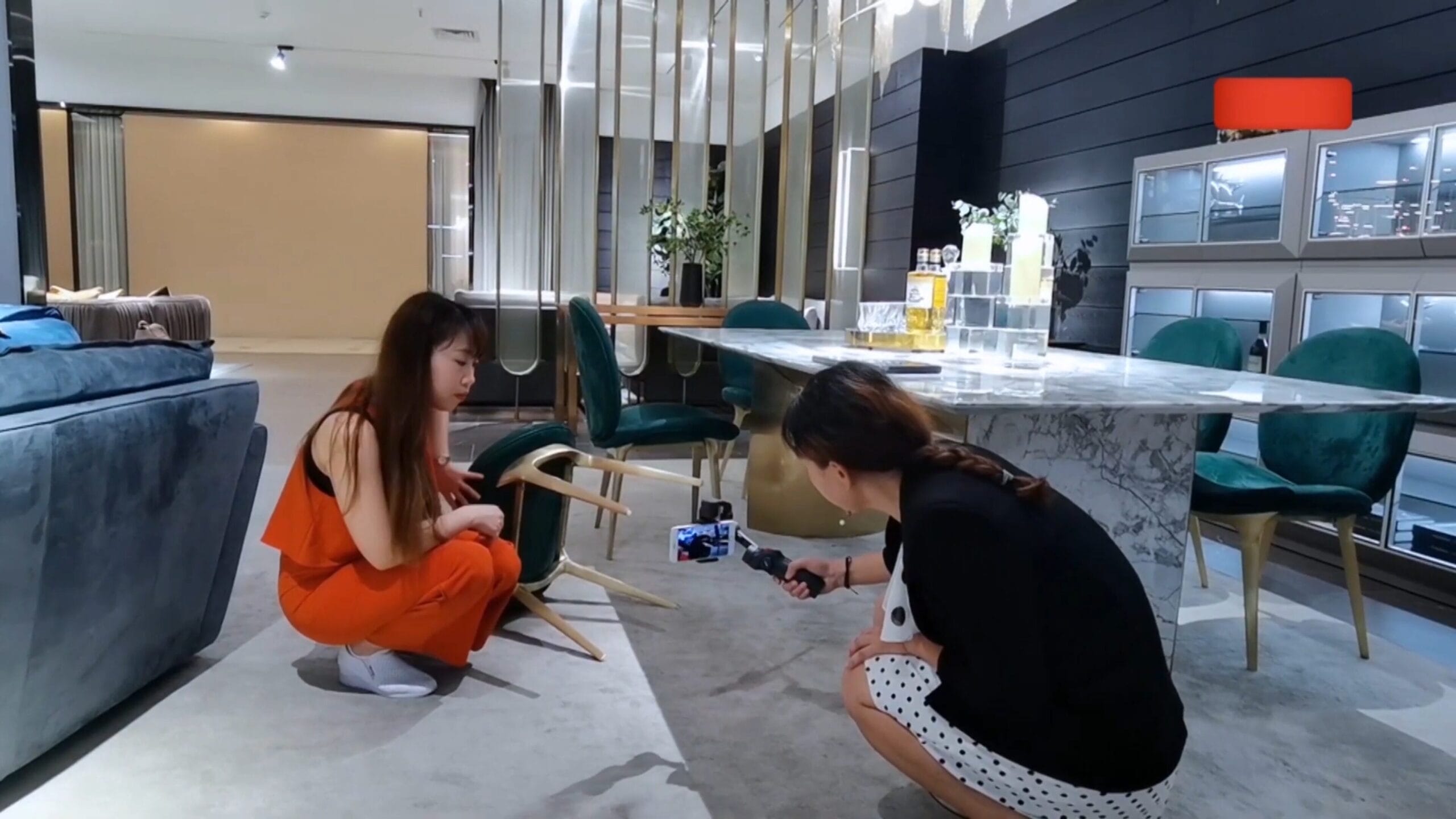
| Present a product | Product film |
| Recruit talent | Employer/recruitment video |
| Support internal communication | Training video |
The format should follow the communication objective.
A business trying to demonstrate a technical product may require a very different film from one trying to recruit engineers or establish credibility with prospective enterprise customers.
This is where working with a Corporate Video Company in Mumbai should involve more than selecting a video duration and arranging a shoot. The production approach needs to begin with questions about the audience, business objective, message and eventual distribution.
The camera comes later.
India’s B2B Companies Have More Stories to Show
Many Indian businesses have significant operational strengths that are difficult to communicate through claims alone.
Consider a manufacturing company with advanced machinery, multiple production lines, skilled operators and carefully controlled quality processes. Or an infrastructure business coordinating large projects across different locations. A technology company may have specialized teams solving problems that aren’t easily understood from a service description.
These businesses have tangible stories available to them:
- Manufacturing capabilities
- Production facilities
- Technical expertise
- Infrastructure
- Quality-control processes
- Research and development
- Skilled teams
- Business scale
The challenge is turning those realities into a coherent story rather than creating a collection of attractive shots.
This is especially relevant when companies sell to customers who may never visit their facilities personally. A carefully produced film can provide a meaningful visual introduction to an organization before an in-person visit or detailed commercial discussion takes place.
For a Corporate Film Production Company in Mumbai, understanding these operational environments can be just as important as understanding cinematography. The film needs to identify what is genuinely valuable about the business and make those strengths understandable to the intended audience.
One Corporate Video Can Support Several Business Functions
The economics of corporate filmmaking also change when companies stop viewing the finished film as something that lives on a single webpage.
Footage captured during a professionally planned production may support communication across:
- Company websites
- Sales meetings
- Business presentations
- Exhibitions and industry events
- Recruitment
- Email campaigns
- Internal communication
But that doesn’t mean uploading exactly the same edit everywhere.
A three-minute corporate film designed for a website may not suit a short LinkedIn interaction. An exhibition screen might require an edit that works without sound, while a sales presentation could benefit from a version focused on a particular capability.
Planning for these applications before production allows the footage to be captured and edited with different outputs in mind. It can also help businesses align video content with the appropriate stage of the B2B buyer journey.
That makes the production more useful because the business is building a library of purposeful visual material rather than commissioning one isolated video.
Trust Has Become a Visual Question
Corporate websites can make impressive claims.
The harder question is: what can the prospect actually see?
For many buyers, particularly in B2B markets, credibility comes partly from understanding the organization behind the proposal.
They may want to see:
- Who leads the business
- Who works there
- What its facilities look like
- How operations are managed
- How products are made
- What expertise exists internally
- What customers say about the company
Corporate filmmaking can provide that visibility.
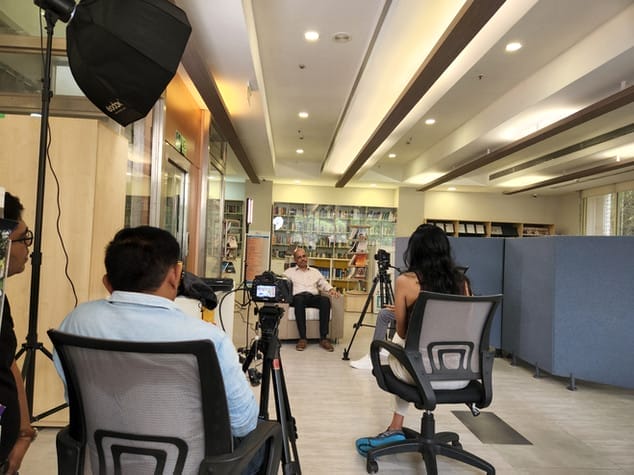
A leadership interview allows decision-makers to speak directly to viewers. Facility footage gives scale and operational claims context. Product demonstrations show rather than merely describe capabilities. Customer testimonials introduce independent voices into the story.
None of these automatically creates trust. Poorly planned corporate videos can feel staged or generic.
The value comes from showing credible evidence and presenting it in a way that helps viewers understand the company.
Why Professional Production Matters More as Expectations Rise
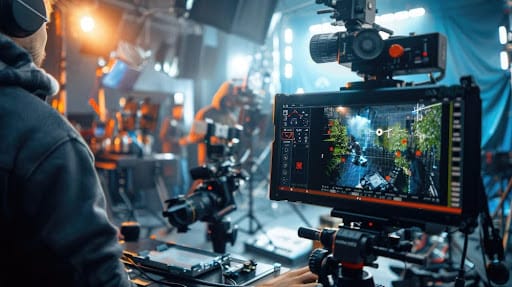
Better cameras have become widely accessible, but corporate filmmaking isn’t primarily a camera problem.
Experienced Corporate Filmmakers in Mumbai need to make decisions long before recording begins.
Professional production typically involves:
- Understanding the business objective
- Identifying the intended audience
- Developing the central narrative
- Planning interviews, scenes and locations
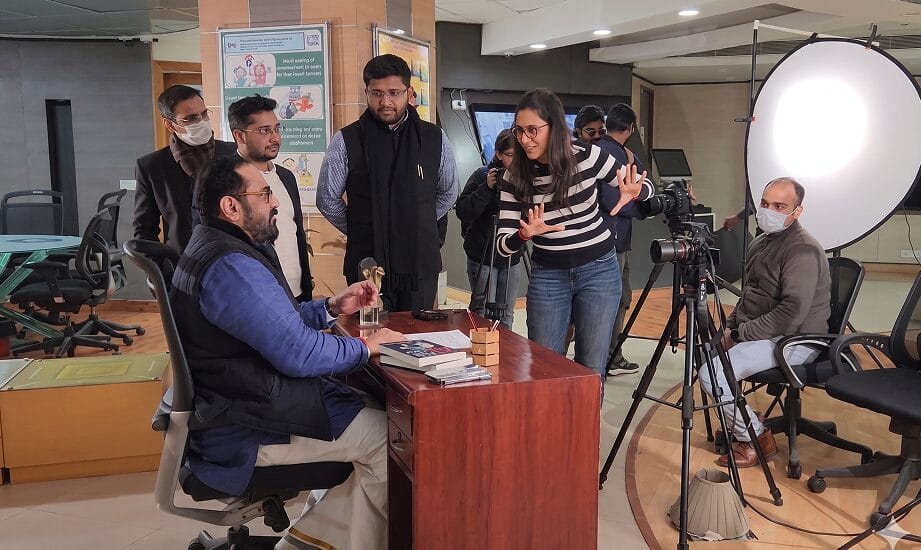
- Coordinating teams and production schedules
- Capturing footage that serves the story
- Editing according to audience and platform needs
- Maintaining visual and verbal brand consistency
These decisions become particularly important in corporate environments.
A factory may only be available for filming during certain operating hours. Senior executives may have limited interview time. Safety restrictions can affect camera positions. Products may require specialist demonstrations. Multiple departments may need to approve the final message.
The production process therefore has to balance creativity with commercial and operational realities.
Professional filmmaking also helps prevent a common problem: producing something visually polished that doesn’t communicate anything memorable about the business.
Corporate Video Is Becoming Business Infrastructure
The more useful shift isn’t that every business suddenly “needs a corporate video.”
It is that companies increasingly have recurring requirements for visual communication.
A business may need to explain itself to customers, demonstrate a new product, document its manufacturing capabilities, recruit employees, communicate internally or introduce its leadership. Those requirements don’t disappear after one campaign ends.
That changes how corporate filmmaking can be approached.
Instead of thinking only about a single finished video, businesses can plan shoots around reusable footage, interviews, shorter edits and platform-specific versions. Over time, this creates a visual content library that supports different parts of the organization.
Corporate video then becomes less like a one-off marketing expense and more like part of the company’s communication infrastructure.
At RedRagaa, we approach corporate filmmaking from that business perspective. We help companies identify the story worth telling, determine what audiences actually need to see and turn real capabilities, people and processes into purposeful films that can support wider communication goals.
Frequently Asked Questions
1. Why are businesses using corporate videos?
Businesses use corporate videos to communicate information that benefits from visual explanation. This can include company capabilities, facilities, products, processes, leadership, customer experiences and workplace culture. A well-planned film can also support sales, marketing, recruitment and internal communication.
2. What types of companies benefit from corporate films?
Corporate films can be particularly valuable for manufacturers, technology businesses, B2B companies, infrastructure organizations, professional service providers and companies with complex products or operations. The important factor is whether video can help the intended audience understand or evaluate the business more effectively.
3. What is the difference between a corporate film and a brand film?
A corporate film and a brand film serve different communication purposes. A corporate film generally communicates information about an organization, such as its capabilities, operations, people or expertise. A brand film is usually more focused on brand identity, values, positioning or emotional storytelling. The boundaries can overlap depending on the objective and creative approach.
4. Where can a corporate video be used?
Corporate videos can appear on company websites, LinkedIn, sales presentations, exhibitions, email campaigns, recruitment platforms and internal communication channels. Different platforms may require shorter cuts, alternative aspect ratios, subtitles or edits designed specifically for that viewing environment.
5. What should businesses prepare before producing a corporate video?
Before production begins, a business should clarify the primary objective, target audience, key message and intended distribution channels. It also helps to identify relevant locations, employees, executives, customers, products and processes that may need to appear in the film.
6. How do you choose corporate filmmakers in Mumbai?
Look beyond showreels alone. When evaluating Corporate Filmmakers in Mumbai, consider whether the team understands business objectives, can develop an appropriate narrative, has experience managing corporate shoots and can explain how the finished content will support its intended audience and platforms. The right production partner should understand both filmmaking and the business problem the film is expected to address.