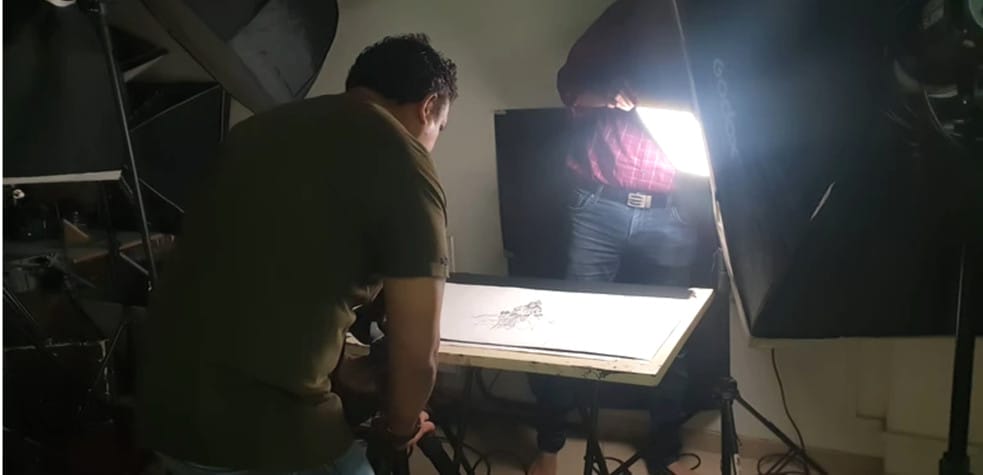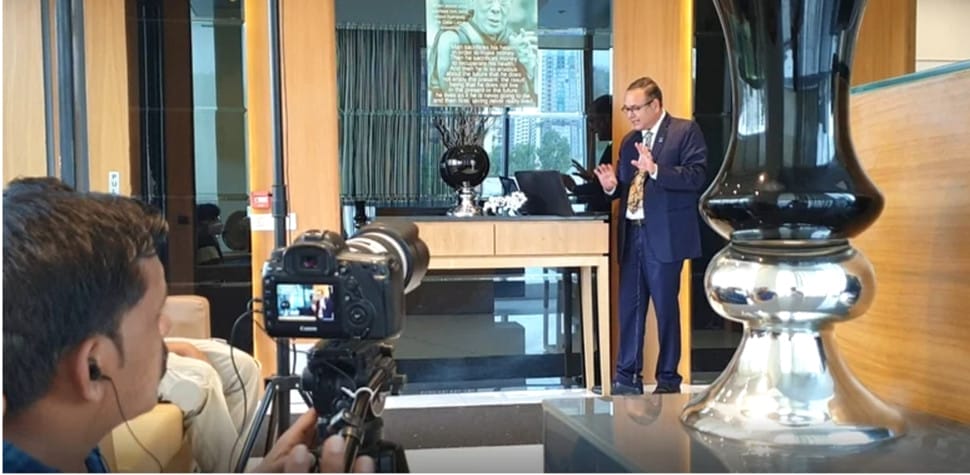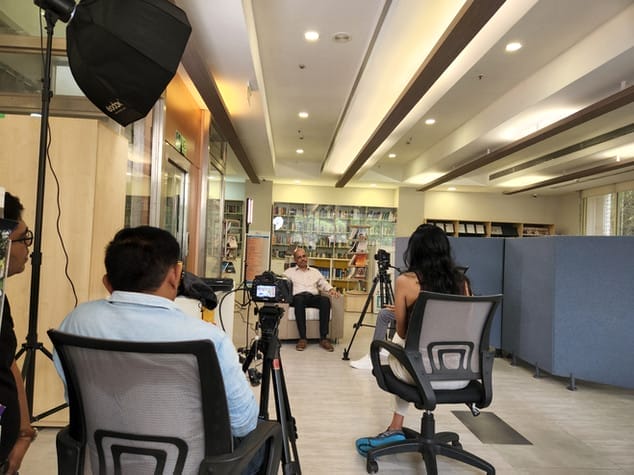

In the highly competitive industrial world of today, visual communication has taken on an importance like never before. Factory videos are no longer an afterthought, but instead, they have been elevated to become a vital part of communicating effectively about the process that goes on in the manufacturing facility. They can aid in internal communication as well as provide a valuable external resource.
Simplifying Complex Processes Through Visual Storytelling
Complicated manufacturing procedures can sometimes prove hard to put down in writing. Factory videos come in handy in this case by simplifying the procedure in question by using visuals. Every process, from handling materials all the way to assembling the final product, can be explained easily using visuals.
Some of the areas where videos prove helpful include:
- For training new employees in the procedures involved.
- Clients who wish to get an idea of the procedures in the factory.
- For stakeholders requiring fast access to factory workings
Through illustrating live processes in the factory, such confusion can be eliminated from the process, ensuring efficiency and accuracy in communicating messages.
Enhancing Training and Workforce Efficiency
In every manufacturing facility, training plays a major part. Conventional training techniques tend to take up too much time and may be inconsistent. By providing video training, all employees receive the same quality of training without any inconsistency.
Good quality videos can help in:
- Clearly explaining safety procedures
- Standardization of processes
- Cutting down on misguided/repetitive trainings
Such is the importance of factory videos when it comes to improving the efficiency of workers in manufacturing facilities.
Building Trust and Transparency with Clients
Today’s buyers require transparency to have confidence in a business and its products. Videos can be used to offer authentic insight into a company, thus building trust through its infrastructure, quality standards, and operational processes.
Apart from offering details in the brochures, videos can allow the manufacturer to show:
- Emphasize credentials and compliance
- Exhibit modern machines and technology
- Demonstrate quality control processes
This visual evidence builds credibility and assists prospective customers in making an informed decision.
Supporting Marketing and Digital Presence
In light of the increasing popularity of digital marketing channels, it is necessary to make use of videos in order to create an online presence. Manufacturers can utilize videos on their websites, social media pages, and even during presentations to generate more exposure.
Some uses of videos include:
- Demos of products
- Factory tours behind-the-scenes
- Customer testimonials and case studies
Videos don’t just enhance engagement; they also boost the amount of time people spend engaging with a brand on the internet, thus benefiting SEO and lead generation.
Improving Internal Communication and Collaboration
The typical large factory might suffer from internal communication problems between its departments. However, videos can act as the main source of information available to all employees in the same company.
For instance:
- Process updates can be shared visually
- New equipment usage can be explained quickly
- Cross-departmental understanding can be improved
This, in turn, would lead to more effective cooperation without any communication problems.
The Growing Role of Video in Industrial Growth
With the advancement of technology in the production sector, the use of digital solutions will be crucial. Factory videos will be an essential component of the factory’s adaptation to new standards, assisting it in effective training, communication, and marketing.
In the future, spending money on video content could become a source of competitive advantage for manufacturing organizations. Companies such as RedRagaa know how to convey industrial processes in a precise manner, making sure that all images serve a specific purpose.
The incorporation of video technology should not be viewed as a trend but rather as a means of survival in today’s society. Companies that adopt digitalization in this manner will experience positive benefits from communication, efficiency, and brand image through videos.