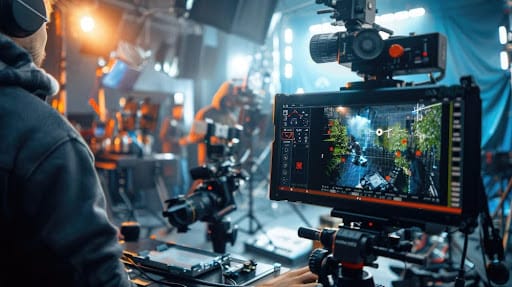
Corporate video production has always changed alongside technology. Digital cameras altered shooting workflows, cloud platforms changed collaboration, and newer editing software reduced the amount of repetitive manual work involved in post-production. Artificial intelligence is now influencing another round of change.
For businesses considering a corporate video production company in Bangalore, though, the significant issue is how AI is being utilized or not. It’s the place where the know-how truly adds value to the production process without compromising the strategy, judgment and creative direction of the video.
AI Is Changing Tasks, Not the Purpose of Corporate Video
AI can make certain production activities quicker, but it does not change the fundamental reason a business commissions a corporate video.
A company might need a film to explain its capabilities, introduce a new product, communicate with investors, strengthen employer branding or support its sales team. Those objectives have to be understood before decisions are made about scripts, locations, visuals or editing.
This distinction matters because production efficiency and communication effectiveness are not the same thing.
A team could create a video more quickly using automated tools, yet still miss the message that matters to the intended audience. AI is therefore more useful when treated as part of the production toolkit rather than as the strategy itself.
Where AI Is Entering the Production Workflow
Rather than transforming corporate filmmaking in one dramatic step, AI is appearing across individual stages of the workflow.
1. Research and Early Ideation
Production teams can use AI-supported research tools to organize information, explore initial themes or identify questions that need to be addressed during concept development.
The output still needs scrutiny. Corporate films often deal with specialized products, technical processes or company-specific information that cannot be understood properly through generic research alone.
2. Script Development Support
AI can assist with early outlines, alternative wording, structural ideas and script revisions.
That does not mean the first generated script should become the shooting script. Someone still needs to determine whether the language sounds like the company, whether the claims are accurate and whether the script will actually work when spoken on camera.
3. Pre-Production Planning
Scheduling, shot-list organization, reference gathering and other administrative parts of pre-production can potentially become more efficient with intelligent tools.
These efficiencies are valuable because they allow production teams to spend more attention on decisions requiring judgment, such as interview preparation, locations, visual treatment and the overall narrative.
4. Editing Assistance
Post-production is one of the areas where automation can reduce repetitive work.
Depending on the software being used, editors may have access to features that assist with tasks such as sorting footage, identifying spoken content, improving audio or locating particular sections within longer recordings.
The editor still decides what stays, what goes and how the sequence should make the viewer feel or respond. This remains an important part of the video production process.
5. Captions and Transcripts
Automated transcription and captioning can reduce the time required to prepare supporting versions of a video.
Accuracy still needs to be checked, particularly when speakers use technical terminology, product names, Indian names or industry-specific language.
6. Content Adaptation
A single corporate shoot may eventually support several outputs.
Teams can adapt longer films into shorter edits, platform-specific clips or different communication assets. AI-assisted workflows can help make some of this process faster, although each version still needs to make sense in its intended context.
Faster Production Does Not Automatically Mean Better Communication
Speed is attractive in corporate production. Marketing teams work around launches, events, internal deadlines and campaign schedules, so anything that removes unnecessary delays has value.
But speed becomes counterproductive when it encourages shortcuts in thinking.
Generic concepts are one risk. AI systems generate material from patterns found across large amounts of existing content. That makes them useful for exploring possibilities, but originality does not automatically come from producing more options.
Brand voice presents another challenge. A manufacturing company explaining a technical capability should not sound like a consumer lifestyle startup simply because both are producing a two-minute corporate film.
Context also matters.
An experienced corporate video production company in Bangalore should therefore evaluate AI-generated suggestions rather than accepting them simply because they are fast to produce. Business priorities, audience expectations, competitive positioning and brand character still have to guide the production.
Human judgment is what connects those factors.
Where Human Creative Direction Still Matters Most
Some production decisions become more important, not less important, as automation increases.
Consider a leadership interview.
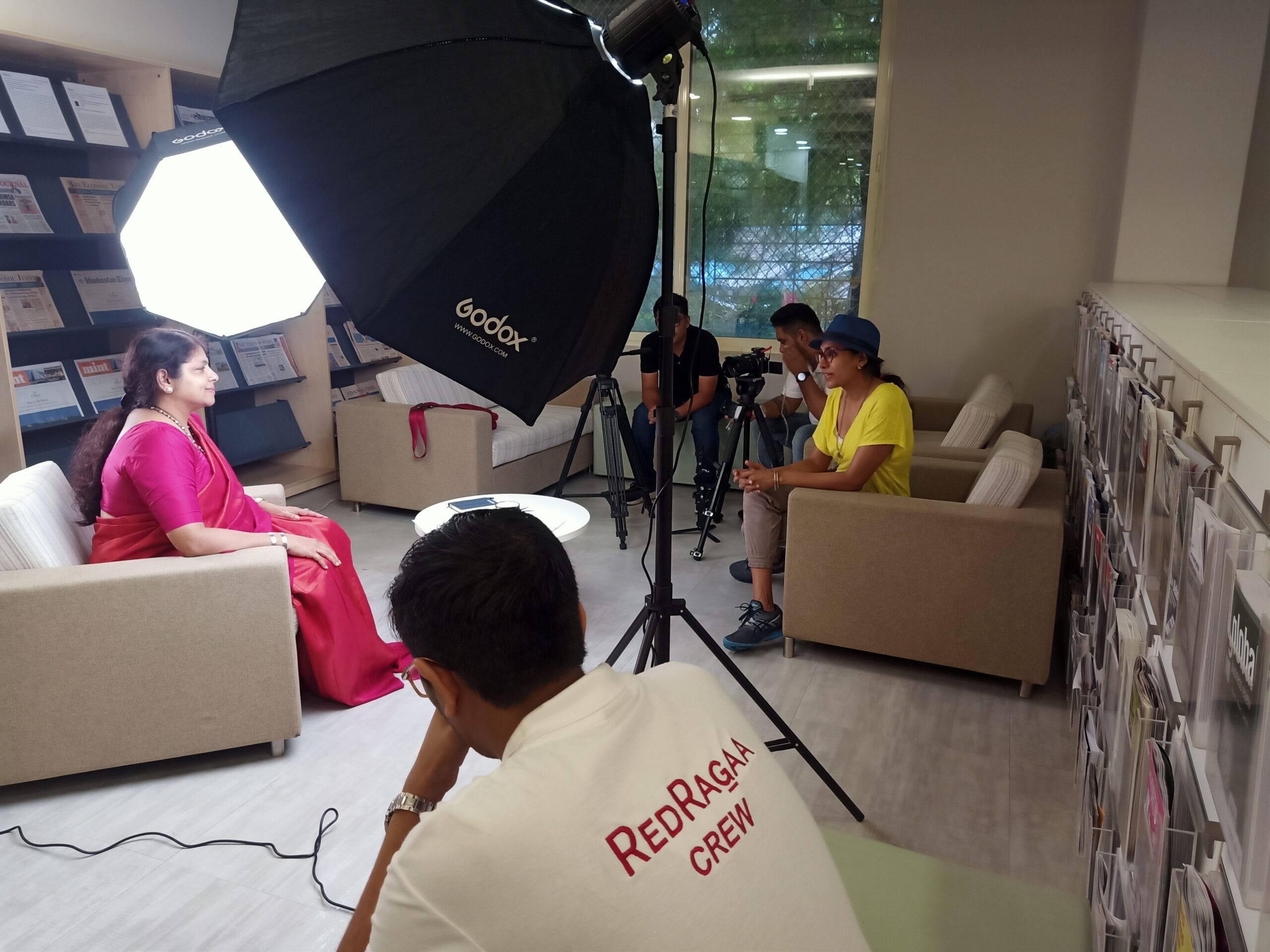
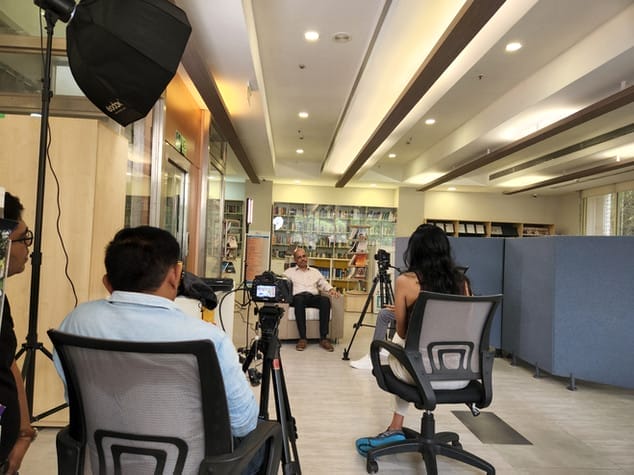
Software may eventually help transcribe the conversation, identify sections of dialogue or clean up certain technical imperfections. It cannot necessarily recognize that an executive sounds uncomfortable with one answer, that a follow-up question could uncover a much stronger insight, or that a technically correct statement sounds unnatural on camera.
A director can respond in the moment.
The same applies to visual judgment. Camera position, movement, lighting, background activity and composition all affect how viewers interpret what they see.
Then there is brand interpretation.
Companies frequently begin a project with broad instructions such as, “We want the film to look premium,” or “We need customers to understand our scale.” Translating those objectives into scenes, interviews and visual choices requires discussion and interpretation.
Corporate storytelling also involves deciding what to leave out. Businesses often have more information than a viewer can reasonably absorb. Strong creative direction identifies which details support the central message and which merely make the film longer. This is closely connected to strategic brand storytelling.
The Bigger Change May Be Behind the Camera
Public discussion around AI video tends to focus on generated images, artificial presenters or completely synthetic scenes.
For professional corporate production, some of the more practical changes may be much less visible.
AI can potentially reduce administrative effort, help teams navigate large amounts of footage and simplify parts of post-production. None of these changes necessarily appear obvious to the person watching the finished film.
That is precisely the point.
Good production technology should support the process rather than become the subject of the video. If a tool saves time during an internal stage while allowing the creative team to focus more closely on the message, it has served a useful purpose.
Businesses should therefore be careful about evaluating production partners merely according to how many AI tools they claim to use.
The better question is what those tools improve.
What Should Businesses Ask a Production Partner About AI?
Businesses commissioning a new corporate video do not need to become AI specialists. A few practical questions can reveal much more about how thoughtfully a production team approaches technology.
Ask:
- Where do you use AI or automation during your workflow?
- Which stages still depend primarily on human creative judgment?
- How do you verify scripts, transcripts and other AI-assisted material?
- Who makes the final decisions about narrative and brand messaging?
- How is sensitive company information handled during production?
- Will AI materially change the proposed production schedule?
- How do you maintain consistency with our established brand voice?
- What human review takes place before the final video is delivered?
There does not have to be one “correct” answer to every question. What matters is whether the production partner can explain its process clearly and connect its technology choices with the needs of the project.
Technology Changes. Business Communication Still Comes First
AI will continue to influence how videos are researched, planned, edited and adapted. Some tools being discussed today may become routine parts of production, while others may prove less useful than expected.
Businesses do not need to chase every development.
They need a production partner capable of deciding when technology improves the work and when established creative judgment produces a better result.
When selecting a corporate video production company in Bangalore, look beyond whether AI appears somewhere in its workflow. Consider whether the team understands your audience, business objective and intended response before production begins.
At RedRagaa, we approach corporate filmmaking from the business objective first, keeping creative direction, brand understanding and communication at the center of the production process.
Frequently Asked Questions
1. How is AI used in corporate video production?
AI may support tasks such as research, early ideation, transcription, captioning, footage organization, script development and certain editing processes. The exact applications depend on the production workflow and tools being used.
2. Can AI replace a professional video production team?
AI can automate or assist with individual tasks, but professional corporate production involves strategy, directing, interviewing, filming, visual judgment, brand interpretation and creative decision-making. These areas still require substantial human involvement.
3. Does AI make corporate video production faster?
It can reduce time spent on selected repetitive or administrative activities. However, the overall production schedule also depends on approvals, scripting, locations, filming requirements, stakeholder availability, revisions and the complexity of the project.
4. Can AI-generated content match a company’s brand identity?
It can assist with ideas and adaptations, but generated material should be reviewed carefully. Brand identity involves tone, market positioning, customer expectations and company-specific context that generic outputs may not capture accurately.
5. What parts of video production still need human involvement?
Creative strategy, directing people, conducting interviews, interpreting a company’s objectives, making visual decisions, evaluating performances and shaping the final narrative continue to depend heavily on human judgment.
6. Should businesses ask production companies about their use of AI?
Yes, but the discussion should go beyond whether AI is used. Businesses should understand where it is applied, how outputs are reviewed, how company information is handled and whether the technology produces a meaningful improvement in the production process.